
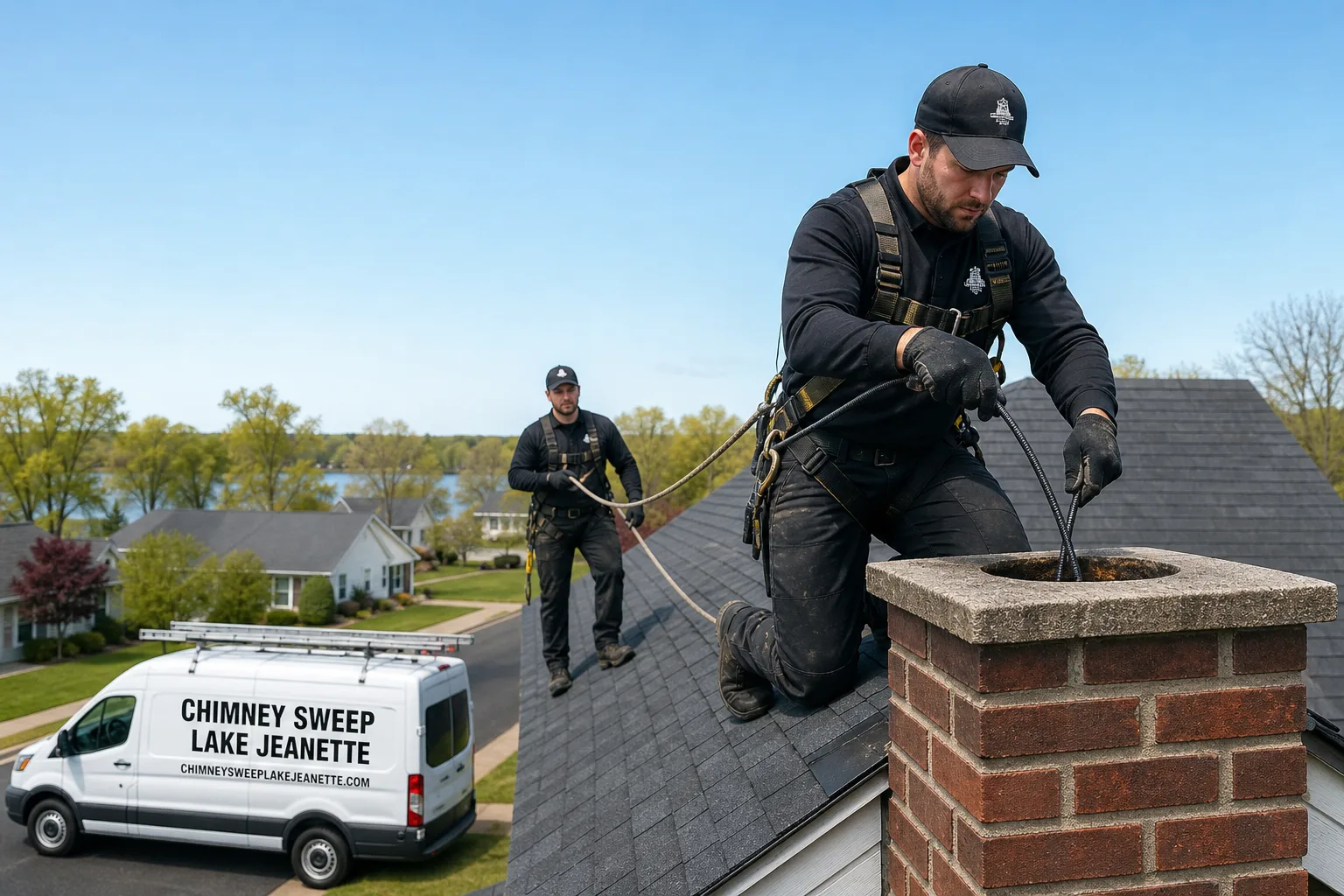
 Sweep & inspection
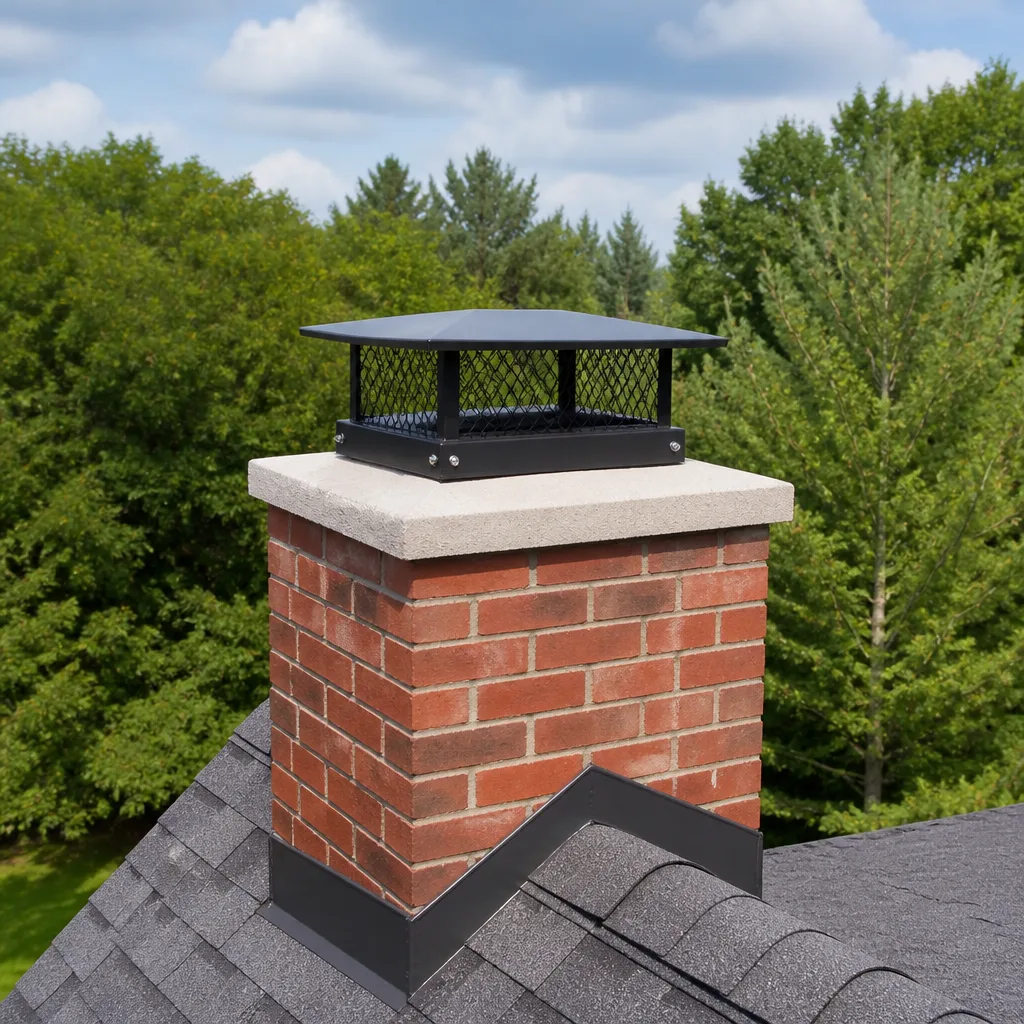
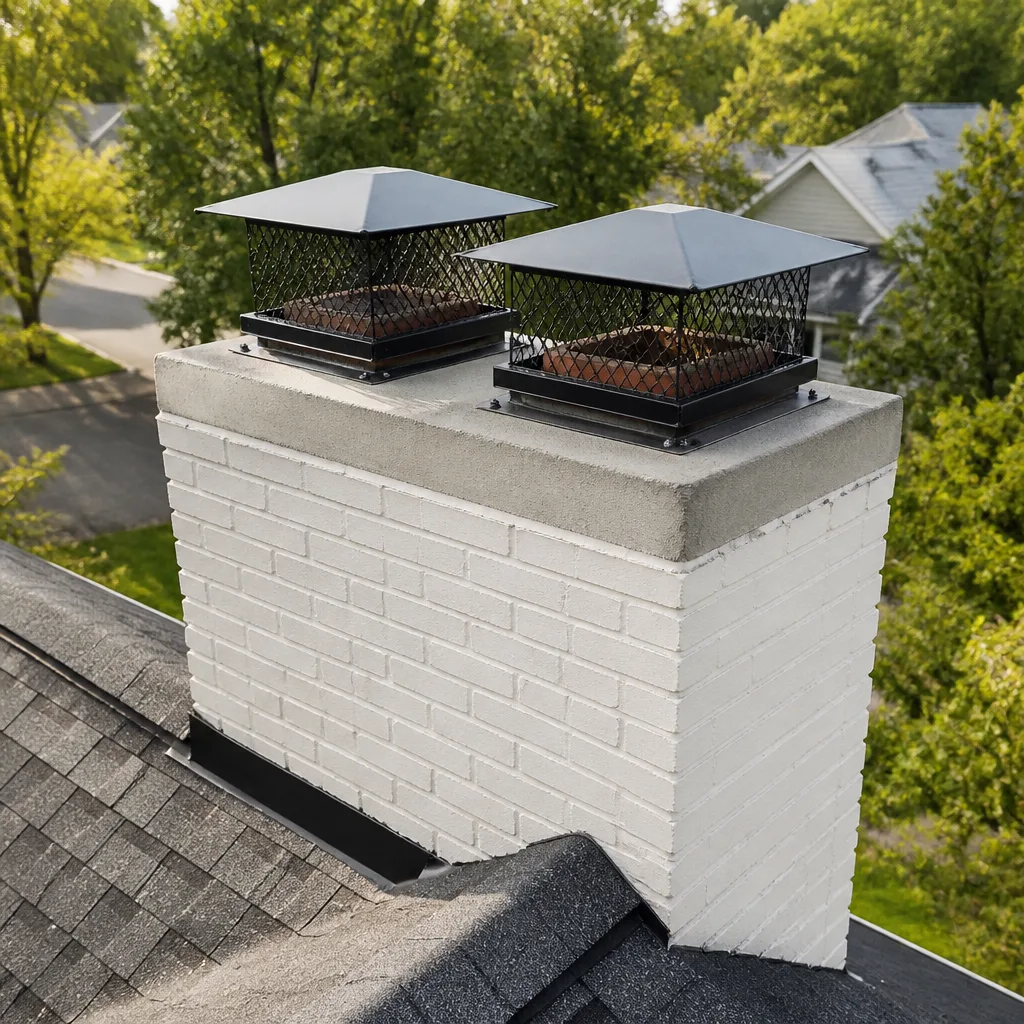 Caps & crowns
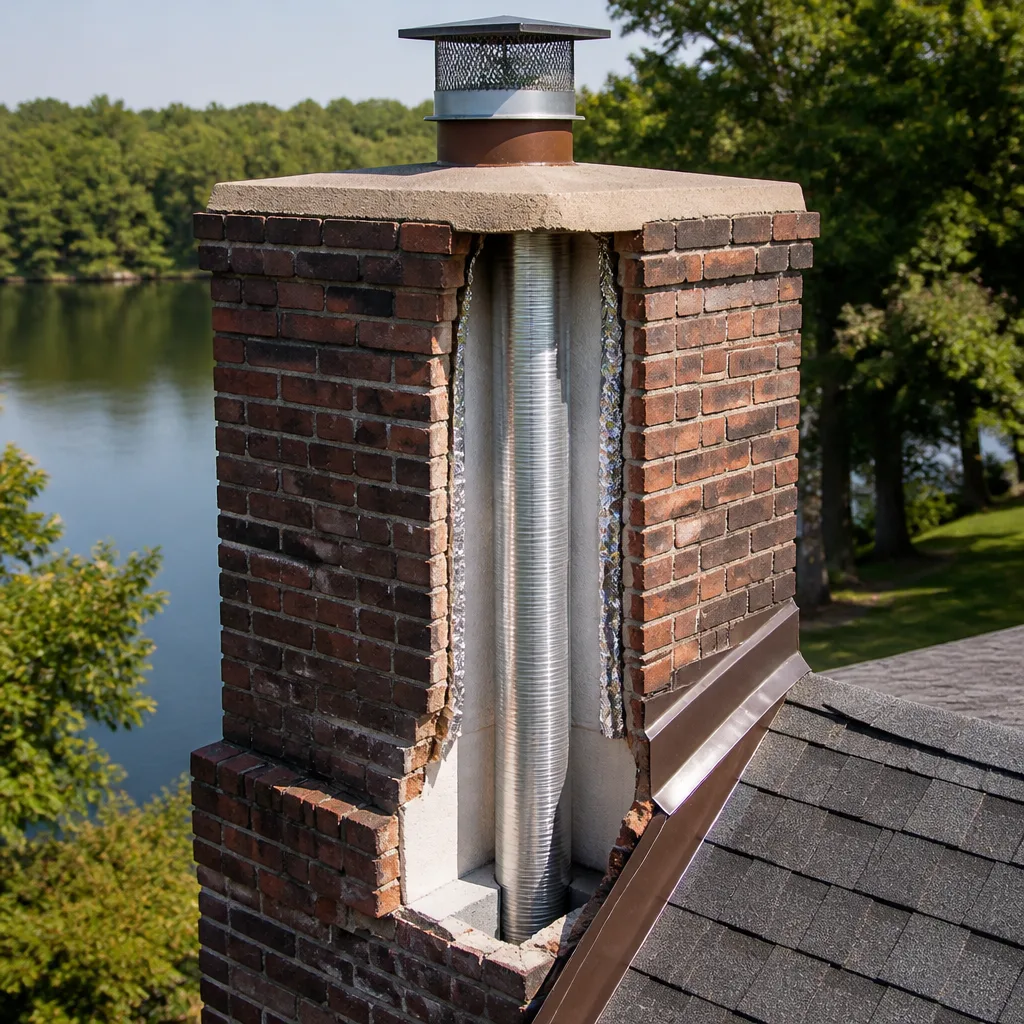 Flue relining
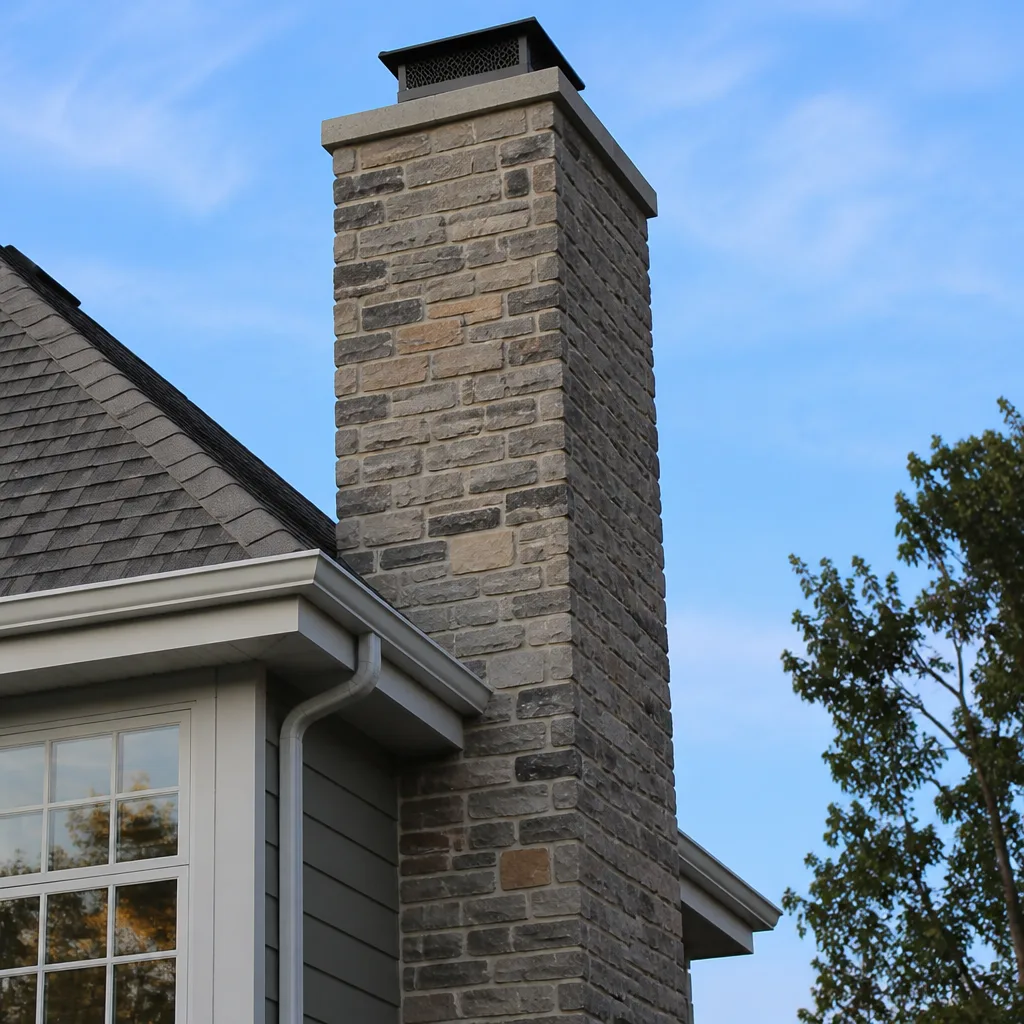 Masonry repair
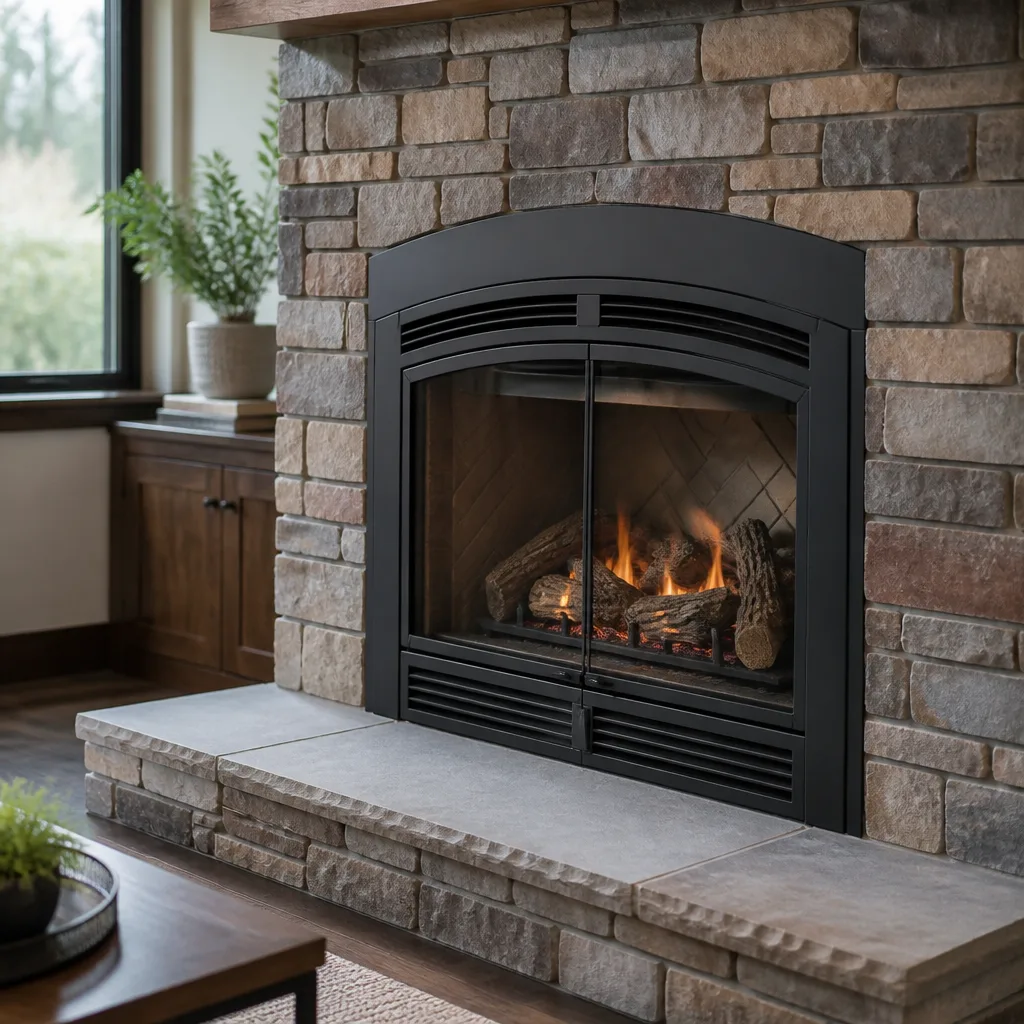 Gas fireplace service
Level 1 sweep and inspection to the NFPA 211 annual standard - flue, crown, cap, and flashing checked and photographed
Chimney sweep logs do not sweep chimneys. They loosen some creosote - which then falls where a brush and vacuum still have to collect it.
Fast, Reliable Chimney Inspection Across Graham
If your Graham home heats with wood, an inspection is the cheapest safety step you can take before the burn season starts. We provide chimney inspection in Graham for mill-era cottages, farmhouses on long rural driveways, and mid-century ranches with factory-built fireplaces. Graham’s housing stock is older than most of what sits along the interstate corridors nearby, and chimneys here have usually seen several heating eras. That history matters. Our technicians have up to 10 years of experience reading flues that were built for one fuel and later adapted for another. To book a visit, call (877) 492-3599. We answer 24/7.
Why Graham Homeowners Call Chimney Sweep Lake Jeanette for Chimney Inspection
Graham is a small Piedmont textile town, and the houses show it. Chimneys in the old mill neighborhoods were often built for coal, then fitted with stovepipe connections when wood stoves took over. Those retrofits leave odd angles and hidden ledges inside the flue, and soot collects there faster than anyone expects. A sweep who doesn’t know to look for that will clean around it and call the job done.
We work with contractor-grade materials – DuraFlex liners, HeatShield, Gelco, Olympia Chimney, Famco, and Copperfield – the same products chimney restoration professionals specify. That means when an inspection turns up a cracked liner or a failing smoke chamber, we can scope the repair on the same visit rather than handing you off to someone else.
Serving Graham means driving out to farm properties where the chimney is the only vent for the wood stove and, in some homes, the oil furnace too. We plan those drives into the schedule so the visit isn’t rushed. Our chimney inspection work here is built around the reality that many Graham chimneys carry heavier creosote loads than a suburban fireplace ever will.
Styles & brands we work with
- Sweep & inspection
- Caps & crowns
- Flue relining
- Masonry repair
- Gas fireplace service
Our Chimney Inspection Services in Graham
Not every Graham chimney needs the same level of scrutiny. A fireplace that gets a few fires a year is a different animal from a wood stove running as primary heat through a cold snap. Here’s how we match the inspection to the system.
Level 2 Inspection in Graham
A Level 2 inspection is what we recommend for most Graham wood-burning setups, and it’s required when a property changes hands. It covers the accessible portions of the flue, the smoke chamber, the connector, and the chimney exterior. In mill cottages and farmhouses, that connector is where the real story usually lives.
Camera Inspection in Graham
A camera inspection sends a video scope down the flue so you can see the liner condition on a screen instead of taking our word for it. That matters in Graham’s early-1900s homes, where clay tile liners crack and spall and creosote can seep behind the tile into spaces no flashlight reaches. You’ll see the footage and the photo report before any work is discussed.
Flue Inspection in Graham
The flue is the passage everything travels through, and its size, shape, and condition decide whether your stove drafts properly. Retrofitted stovepipe connections in former coal chimneys often create a flue that’s the wrong proportion for the appliance now using it. We measure and assess it rather than assuming it’s fine.
Level 3 Inspection in Graham
A Level 3 inspection opens concealed parts of the chimney, and it’s only warranted when a Level 2 turns up a reason – damage behind a wall, a known fire event, or a serious liner problem. We won’t recommend one without showing you the evidence that justifies it. If the situation can safely wait, we’ll tell you that too.
Trusted Brands We Service in Graham
Chimneys and their components come from a range of makers, and we work with the professional-grade lineup: DuraFlex for stainless liner systems, HeatShield for firebox and smoke chamber resurfacing, Gelco and Copperfield for caps and related components, and Olympia Chimney and Famco where their products fit the job. We don’t keep a parts warehouse, so components are sourced per job rather than pulled off a shelf. That’s a normal turnaround, not a delay you need to chase. If your existing setup uses one of these brands, mention it when you book and we’ll come prepared to assess it properly.
See the difference
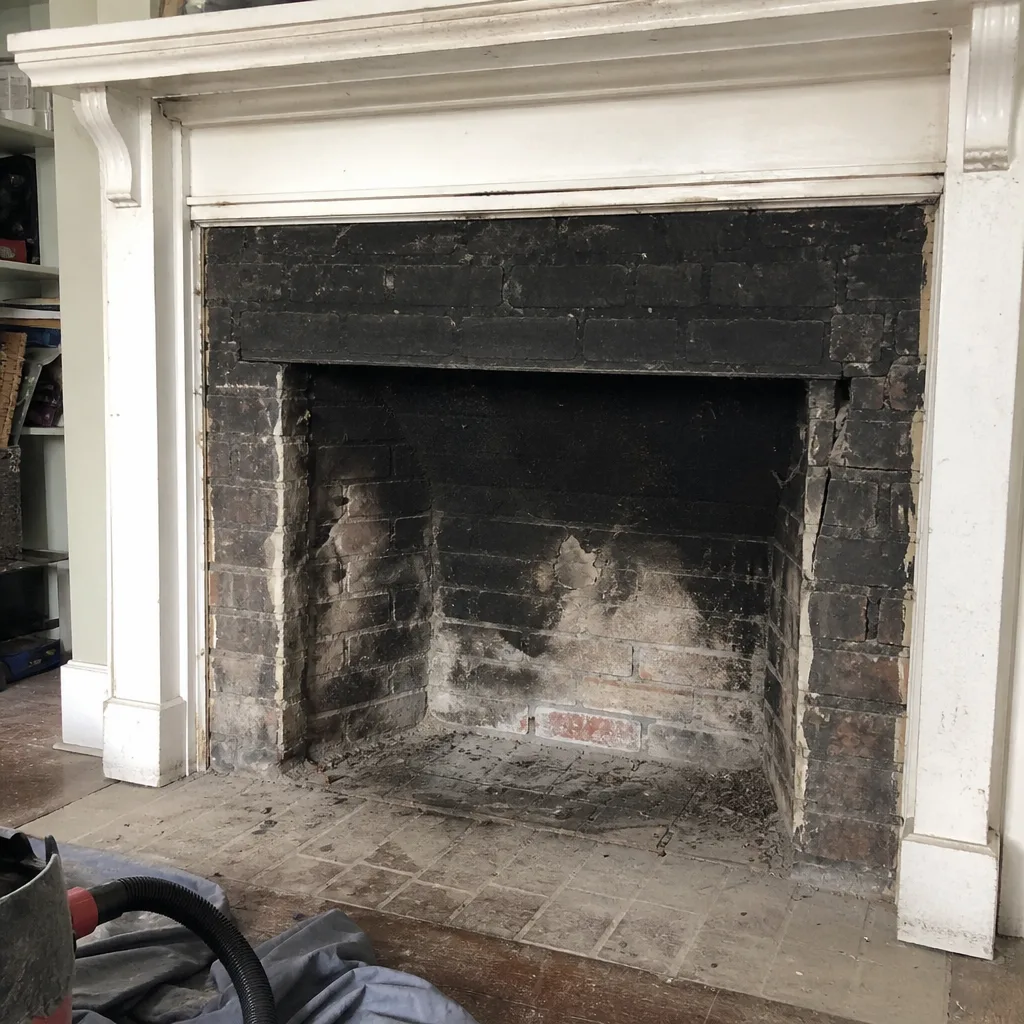 Before
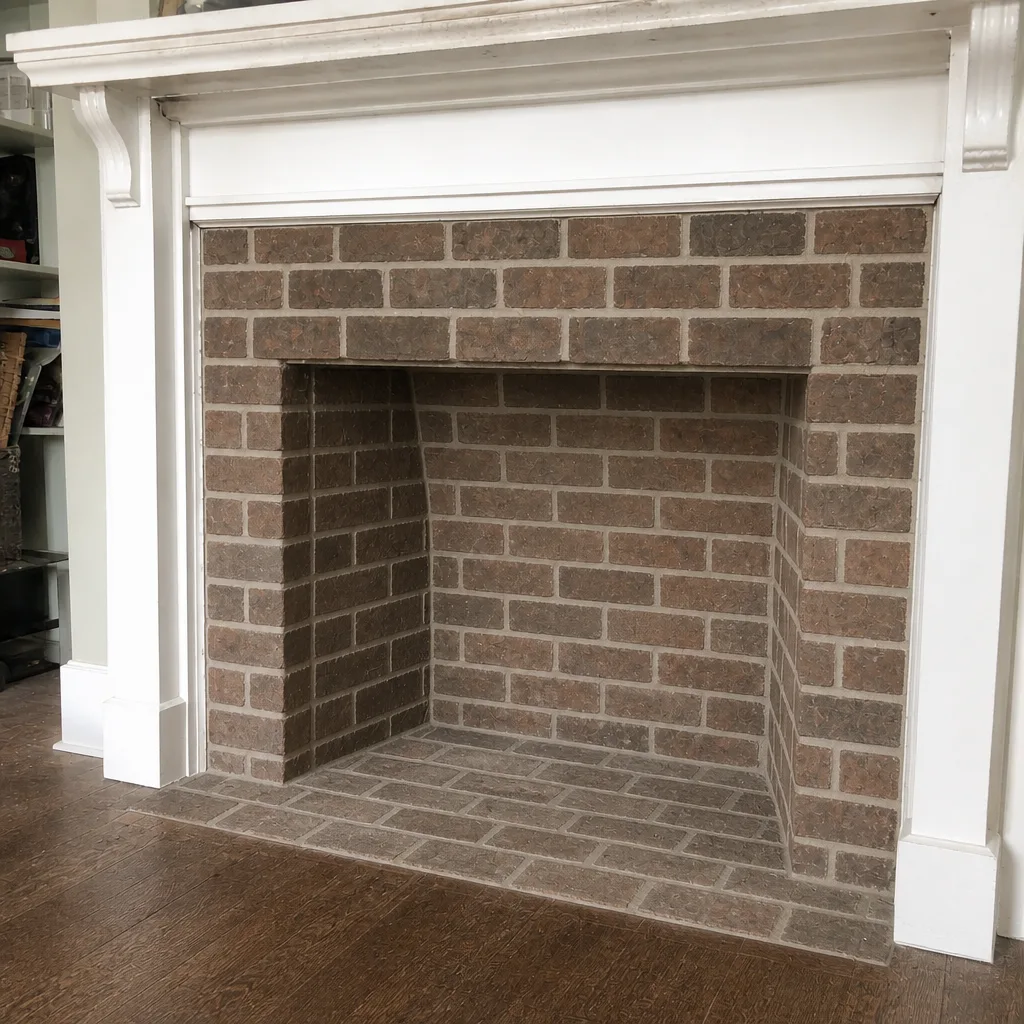 After
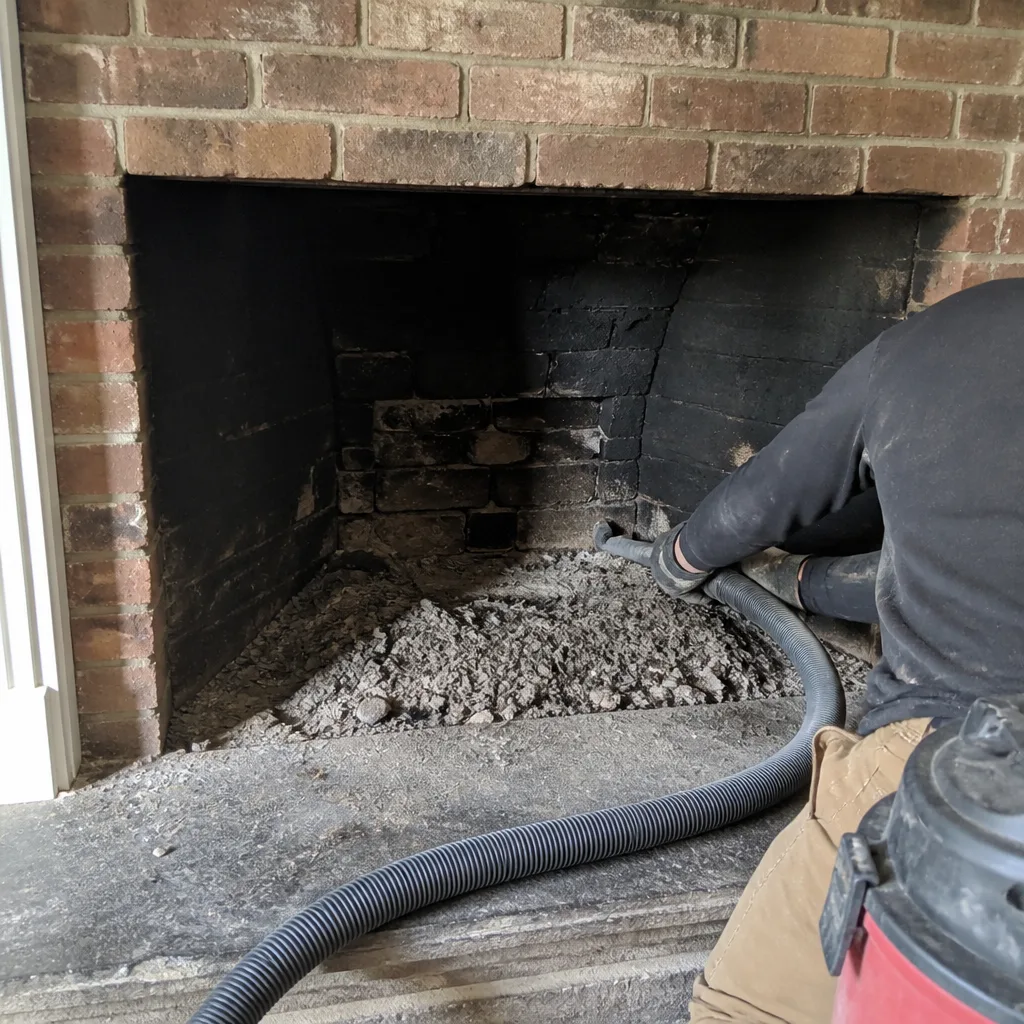 Before
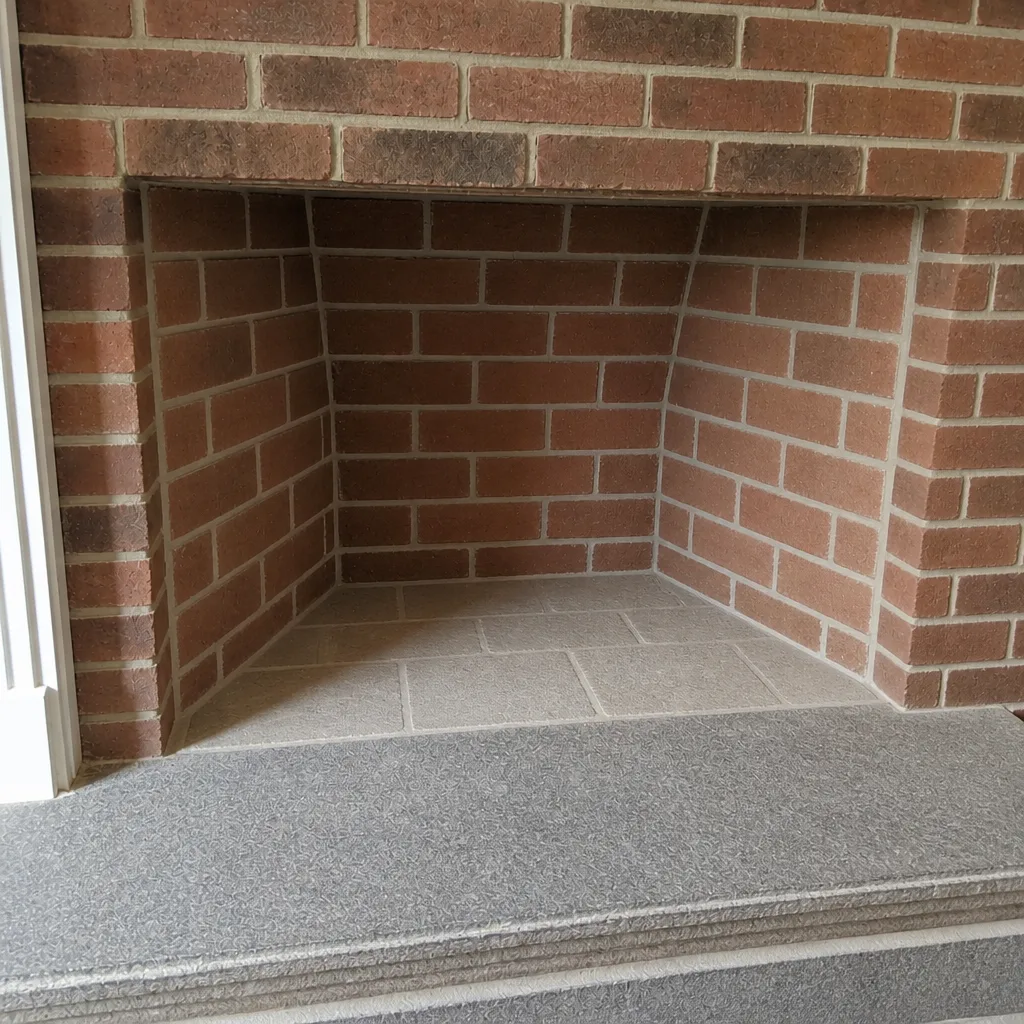 After
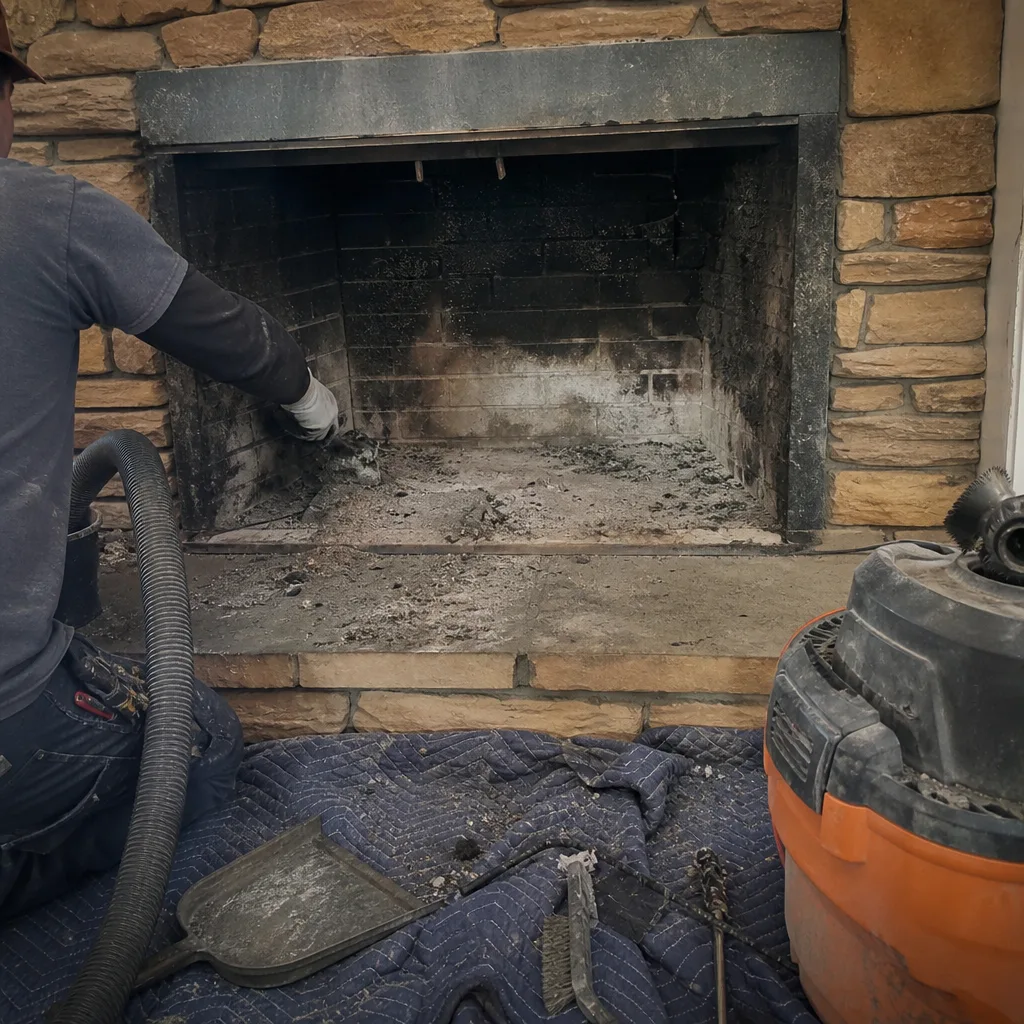 Before
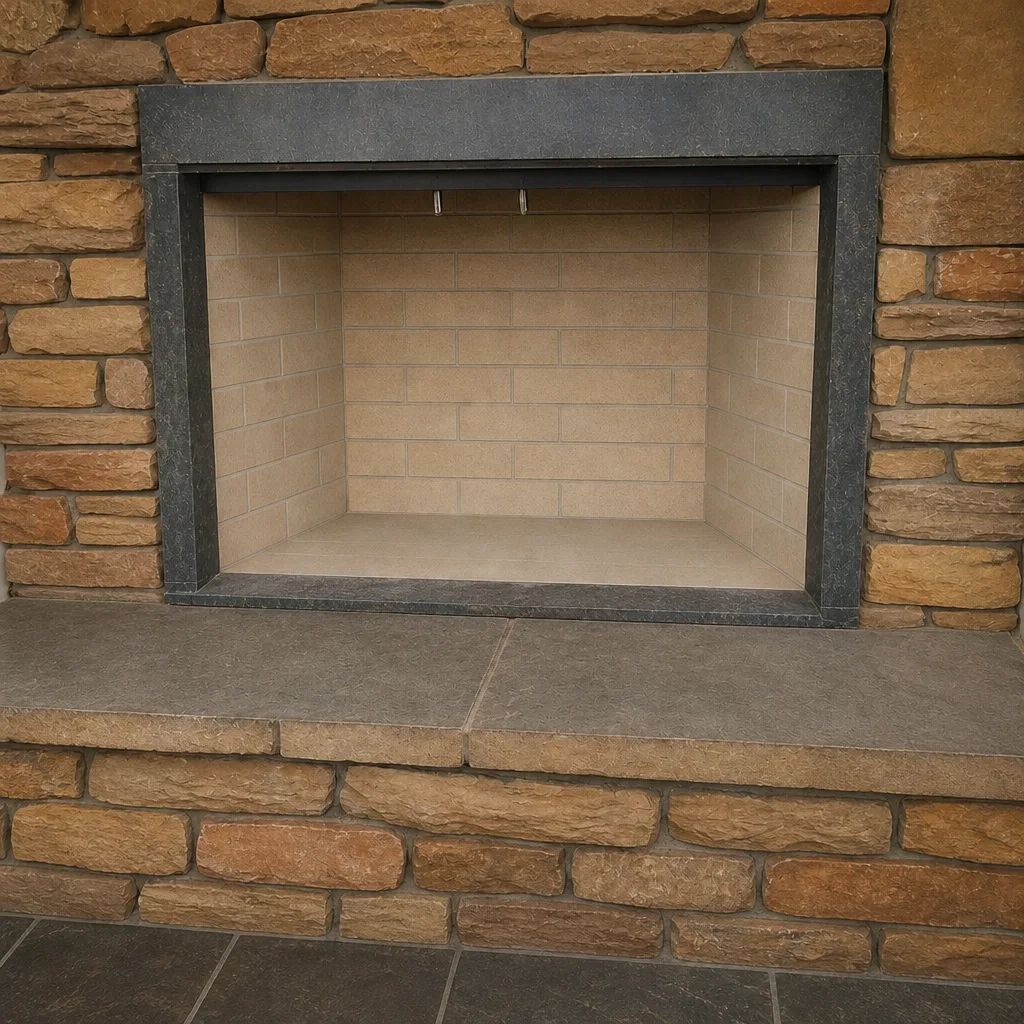 After
Common Chimney Inspection Problems We See in Graham Homes
The failures here follow patterns. Graham’s humid subtropical summers sit on top of chimneys that go unused for months, and the housing stock adds its own complications.
- Hidden ledges behind retrofitted stovepipe connections. In the old mill neighborhoods, interior chimneys originally built for coal were later adapted for wood stoves, and the retrofit leaves a shelf where creosote piles up out of sight. A camera inspection is usually the only way to know how much is sitting there.
- Cracked and spalling clay tile liners. The early-1900s mill cottages and farmhouses around Graham commonly have original clay tile liners. Those tiles crack with age and thermal cycling, and creosote can work behind them into the surrounding masonry, which is a fire hazard you can’t see from the firebox.
- Degraded creosote in damp, unused flues. Long humid summers speed deterioration in chimneys that sit idle between burn seasons, and rust takes hold in damp metal components. An annual inspection catches that before the first cold snap.
- Nesting birds and other obstructions. Rural and semi-rural Graham properties draw birds looking for a sheltered spot, and an uncapped flue is exactly that. A blocked flue pushes exhaust back into the house; we check for it as part of the inspection and can fit a proper cap.
Pricing for Chimney Inspection in Graham, NC
A typical Level 1 inspection in Graham runs $75 to $150. A Level 2 with camera work typically runs $150 to $350 depending on flue length, roof access, and how much of the connector has to be disassembled. A Level 3 inspection runs $400 to $900 or more, because it involves opening concealed areas. Prices are estimates; the written estimate you get before booking sets the final price, and the visit itself is free to quote.
What moves the number: chimney height, the pitch and condition of the roof, whether a wood stove connector has to come apart, and how much creosote has to be removed before the flue can be properly seen. Deferred maintenance usually costs more than an annual visit, because it turns an inspection into a cleaning plus a repair. The price is set per job by the written estimate, and you’ll see the camera footage before anything is recommended.
We Also Serve Cities Near Graham
Graham sits close to several communities we cover on the same schedule, including Gibsonville, Fisher Park, College Hill, and Lindley Park. If your property is on the edge of town or out past the county line, tell us the address when you call and we’ll plan the drive honestly. Rural properties with long driveways are part of the normal work here.
Serving Graham, NC – Our Local Coverage Area
We serve Graham and nearby communities. Use the map below to see the area we cover. If you’re nearby, we can almost certainly help.
FAQs – Chimney Inspection in Graham
Once a year, and more often if the stove is your primary heat. Wood stoves in Graham’s mill cottages and farmhouses run long hours through cold snaps and load creosote faster than an occasional fireplace does. When buildup is heavy, we’ll recommend a shorter interval rather than a calendar default. Call (877) 492-3599 for an exact quote – estimates are free.
First-degree creosote is a light soot that brushes away easily. Second-degree is a flaky, crusty layer that needs mechanical removal. Third-degree is glazed, hardened creosote that has bonded to the liner and needs professional treatment, because it’s the form most associated with chimney fires. If you’ve got glazed creosote, you’ll see it on the camera footage, and we’ll explain what it takes to address it.
Because many of them were built for coal and later retrofitted for wood stoves, which leaves hidden ledges, odd angles, and transitions a flashlight can’t show. Camera inspection is the only reliable way to see the liner condition behind those connections. That’s why we favor a Level 2 with video for the older housing stock here.
It depends on the liner and the extent of the cracking, and the camera footage tells us which path is right. Minor issues can sometimes be resurfaced, while a badly cracked clay tile liner usually needs a stainless liner system such as DuraFlex to restore a proper barrier. We’ll show you what we found and explain both options in plain language.
Don’t burn until the flue has been checked and cleared. A nest blocks the draft and can push carbon monoxide back into the house. We remove obstructions during the inspection and can fit a chimney cap so it doesn’t happen again next season. Call (877) 492-3599 for an exact quote – estimates are free.
If your chimney has gone more than a year without a look inside, book an inspection before the first cold snap. Call (877) 492-3599 for a free estimate. We answer 24/7. Fast dispatch from 7am to 7pm, Sunday through Friday.
Written by the team at Chimney Sweep Lake Jeanette.