
Last updated November 25, 2026
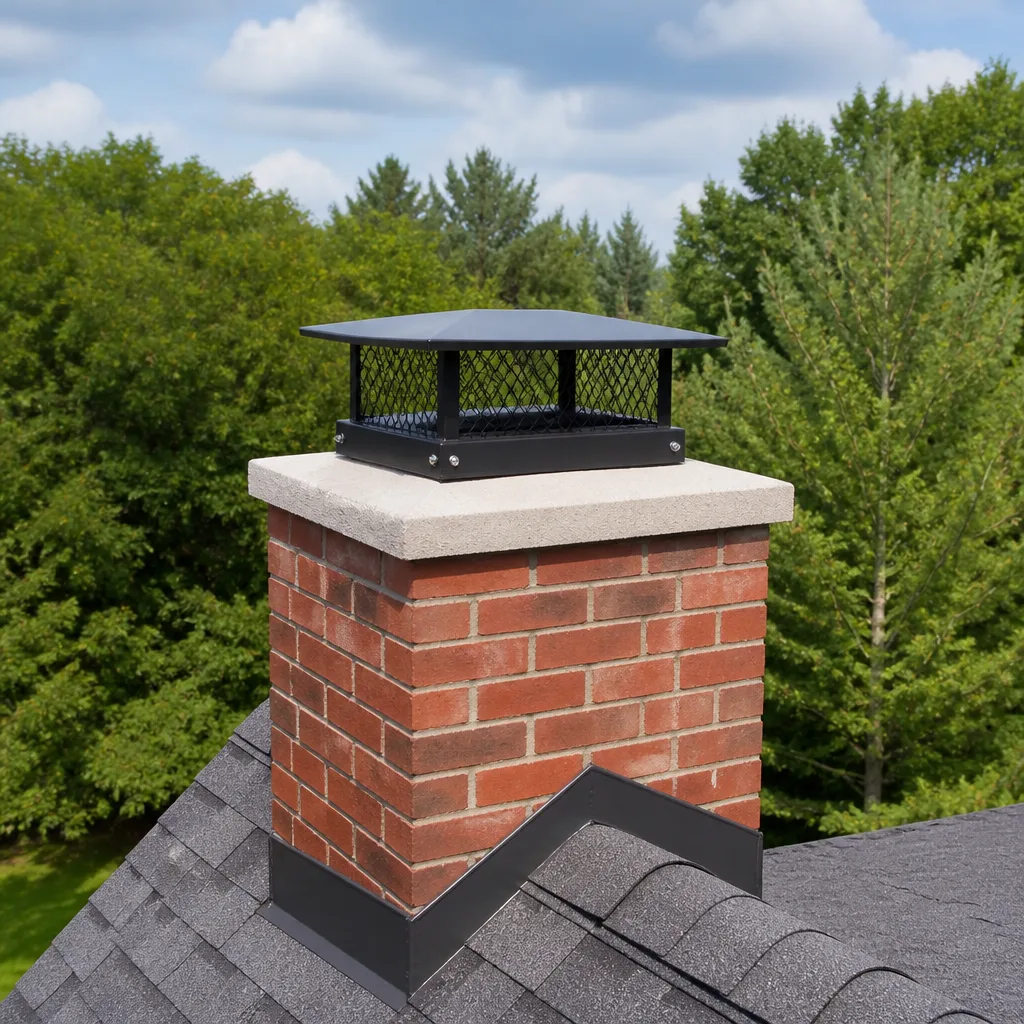 Sweep & inspection
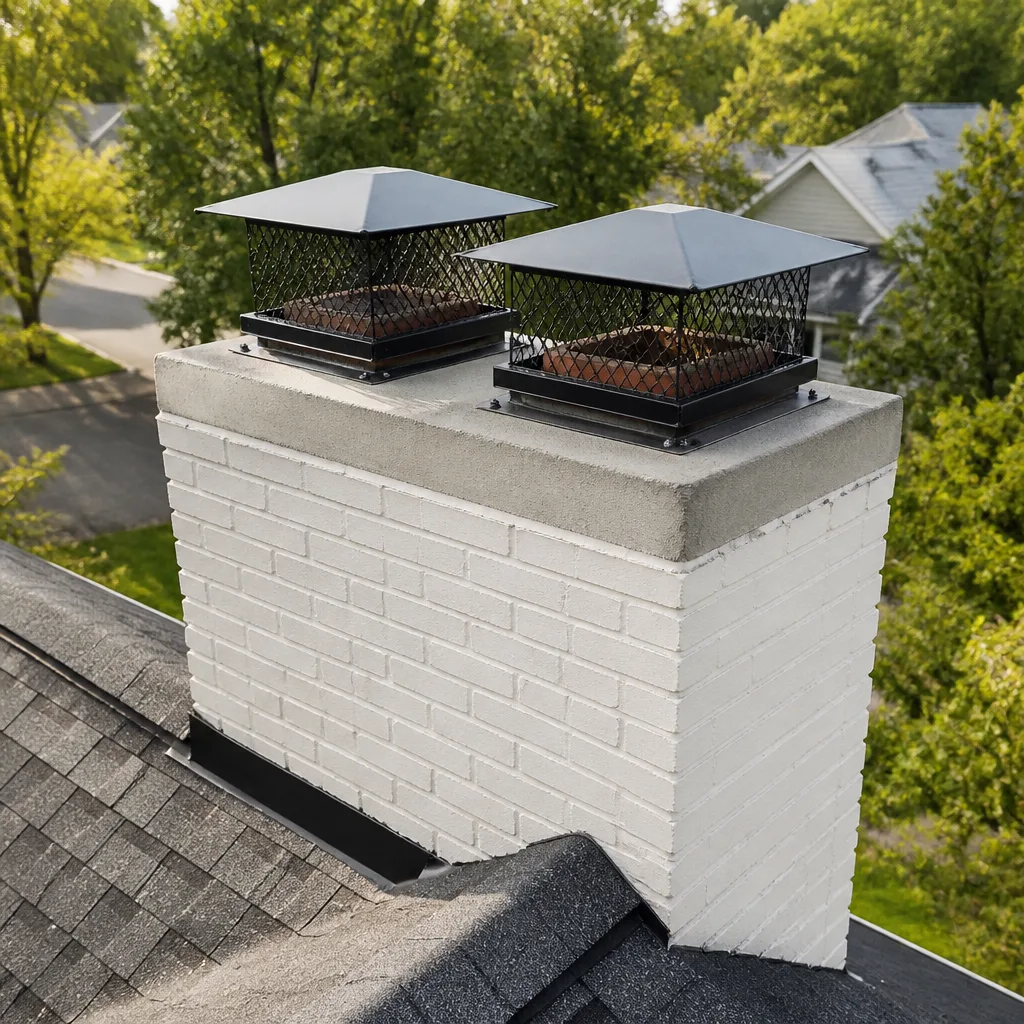 Caps & crowns
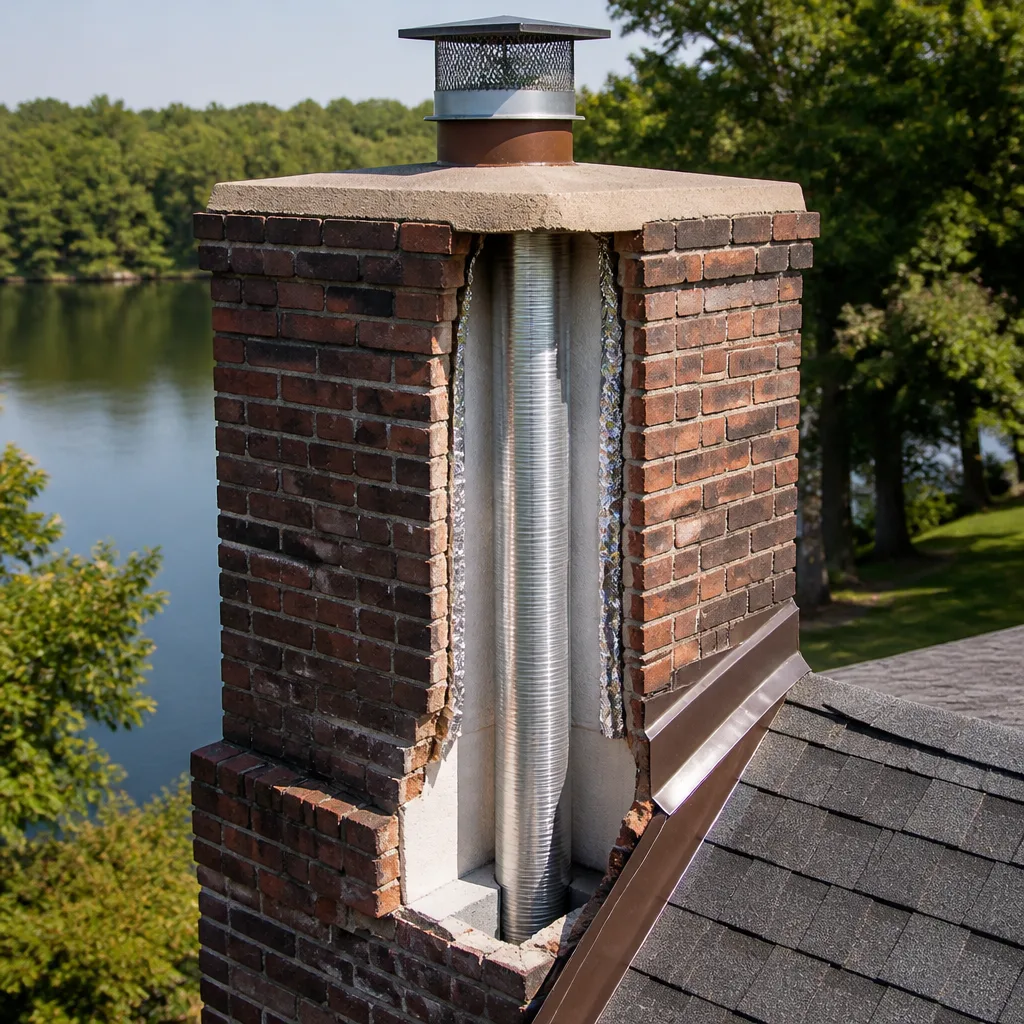 Flue relining
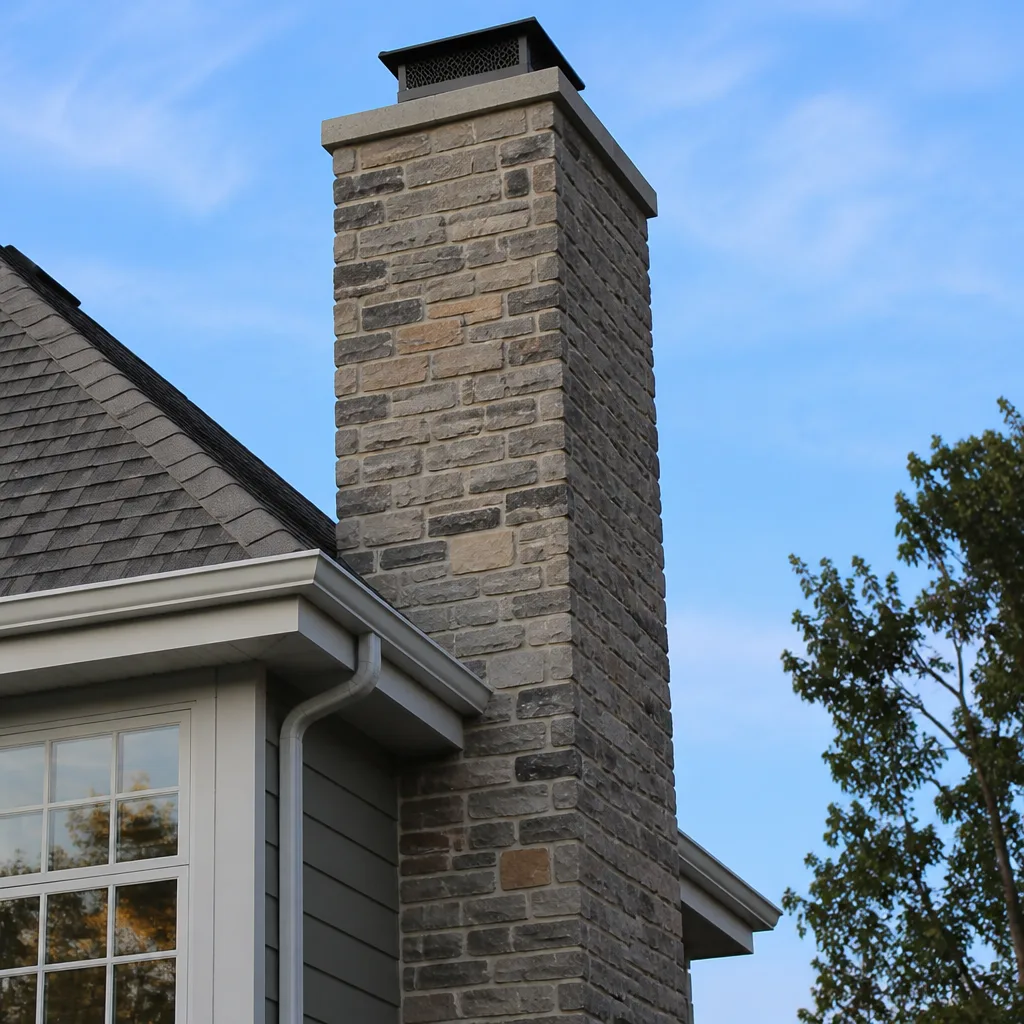 Masonry repair
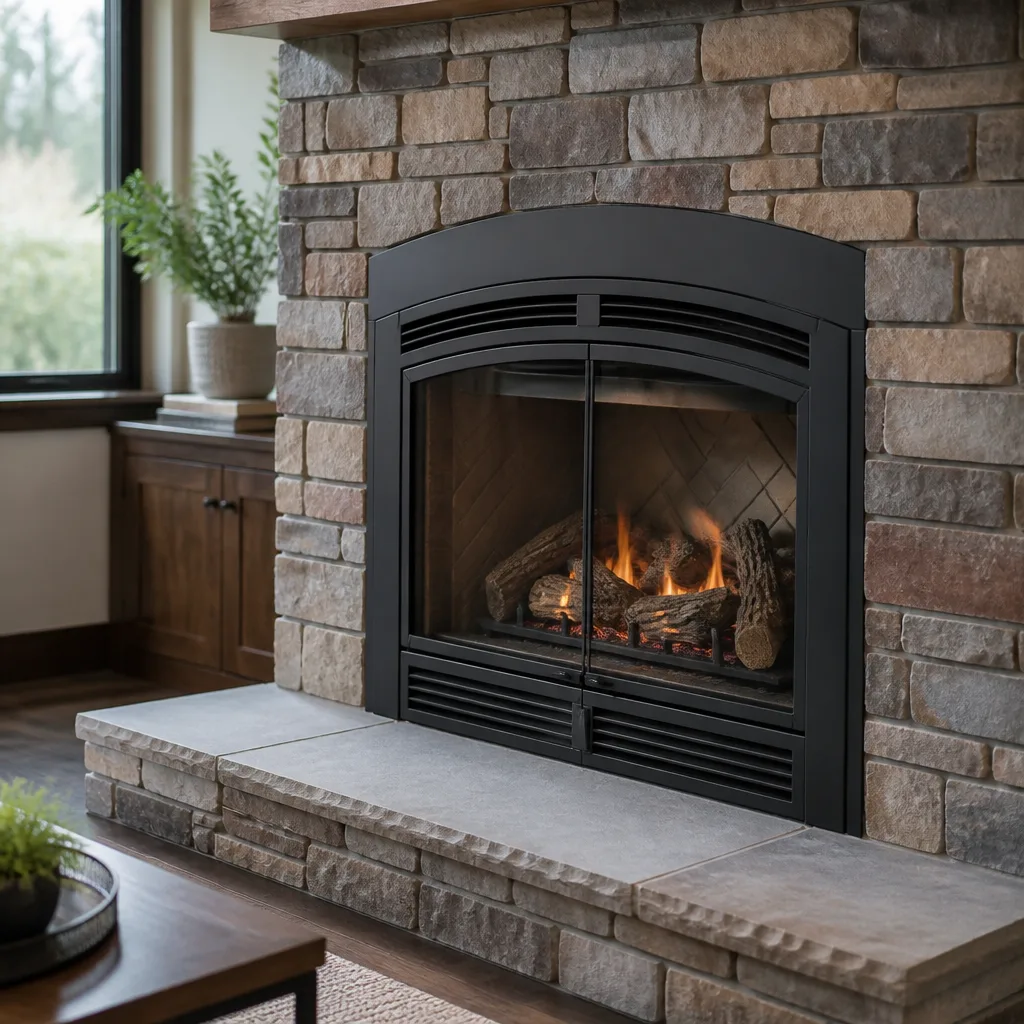 Gas fireplace service
Level 1 sweep and inspection to the NFPA 211 annual standard - flue, crown, cap, and flashing checked and photographed
Chimney sweep logs do not sweep chimneys. They loosen some creosote - which then falls where a brush and vacuum still have to collect it.
Seasonal Chimney Cleaning Care for Lake Jeanette: Year-Round Homeowner’s Guide
Most homeowners in Lake Jeanette think about their chimney exactly once a year, usually on the first cold evening when they strike a match. That single fall appointment has become the default rhythm of chimney care across the neighborhood, and it’s the reason so much masonry damage goes unnoticed until it’s expensive. The truth is that a chimney in this part of North Carolina is working all twelve months, even when there’s no fire in the box. Summer humidity, spring rain, and the freeze-thaw swings of a Piedmont winter all act on the same structure, and the season you skip is the season the damage compounds. This guide walks through what each season asks of a Lake Jeanette chimney, when to book a sweep so you’re not squeezed into a compressed fall window, and how to tell the difference between a chimney that looks clean and one that’s actually safe.
Quick Answer
A Lake Jeanette chimney needs attention in every season, not just fall. Book a sweep in spring to clear creosote before summer humidity sets it, waterproof the masonry and check the crown in summer, schedule your pre-season inspection by September rather than November, and inspect the flue mid-winter if you’re burning more than three fires a week. Treating chimney care as a year-round calendar rather than one fall appointment prevents the moisture and creosote damage that shows up months later.
Styles & brands we work with
- Sweep & inspection
- Caps & crowns
- Flue relining
- Masonry repair
- Gas fireplace service
Table of Contents
- Why chimney care in Lake Jeanette is a year-round job, not a fall errand
- Spring: the best window to catch creosote before humidity sets it
- Summer: the season that quietly damages Lake Jeanette masonry
- Fall: why a September sweep beats a November one
- Winter: mid-season checks for a heavily used fireplace
- How to schedule around Lake Jeanette’s unpredictable warm spells
- What a healthy fire looks like, and what a restricted draft looks like
- A simple seasonal calendar you can actually follow
Why chimney care in Lake Jeanette is a year-round job, not a fall errand
A chimney is an outdoor structure attached to your house. That single fact reframes everything. The flue, the crown, the cap, and the mortar joints are exposed to weather 365 days a year, while the firebox only sees use for a few months. The damage that forces expensive repairs usually starts in the off-season, when nobody’s looking up at the roof.
In Lake Jeanette, the climate does the chimney no favors. Summers run humid enough that masonry stays damp for days after a rain, and winters bring freeze-thaw cycles that work moisture into tiny cracks and pry them wider. A hairline crack in a mortar joint in June becomes a spalling brick by October. By the time you light the first fire, the problem has had months to develop.
Here’s the pattern we see most often: a homeowner books a sweep in late fall, the technician finds glazed creosote that’s been sitting since March, and what could have been a routine cleaning in spring now involves a firebox repair or a liner evaluation. The creosote didn’t get worse because the fire kept burning. It got worse because summer heat and humidity baked it onto the flue walls, hardening it into a form that’s far harder to brush off.
The fix is to think of chimney care as a continuous cycle rather than an annual event. Once you map the seasons to the actual risks, the calendar writes itself. Spring is for removal, summer is for protection, fall is for verification, and winter is for monitoring. Each season does a distinct job, and skipping one pushes work onto the next. For the fundamentals of what a proper cleaning involves, the chimney sweep page covers the process from top to bottom.
Spring: the best window to catch creosote before humidity sets it
Spring is the single most valuable appointment on the Lake Jeanette chimney calendar, and almost nobody books it. The reasoning is simple: creosote that’s still soft and brushable in March becomes hard and glazed by July. Once creosote reaches the third-degree stage, it’s a tar-like substance that bonds to the flue and can’t be removed with a standard brush. It has to be chemically treated or the liner has to be replaced.
The period immediately after heating season, roughly late March through May in this part of North Carolina, gives you the best conditions of the year for a sweep. The creosote hasn’t yet been exposed to months of humid air. The technician can see clearly into the flue with a camera. And if the inspection turns up a problem, you have the whole summer to plan the repair rather than scrambling in October.
Spring is also when the two most common water intrusion points reveal themselves. A chimney cap that shifted over the winter, or a crown with a new crack, will show staining or efflorescence within weeks of the first spring rain. Catching either one early is a small repair. Catching it after a full summer of absorption is a masonry job.
What a spring appointment should include:
- A full sweep of the flue, done before humid weather sets in.
- A camera inspection of the flue interior, with photos you can see.
- A check of the cap, crown, and flashing from the roof.
- A look at the firebox for cracked mortar or damaged refractory panels.
- Written notes on anything that should be watched or addressed before fall.
Our technicians have up to 10 years of experience, and the pattern is consistent: homeowners who sweep in spring spend less on repairs over time than those who sweep in fall. The work is the same. The timing changes what the work uncovers. For a deeper look at what a proper inspection covers, our Chimney Sweep Lake Jeanette page explains the process and what we look for at each stage.
Summer: the season that quietly damages Lake Jeanette masonry
Summer is when Lake Jeanette chimneys absorb the most moisture damage, and it’s also the season when virtually no one is thinking about their fireplace. That combination is exactly why masonry deterioration compounds quietly for months before the first fall fire reveals it. The chimney isn’t idle in July. It’s a sponge.
Three specific vulnerabilities matter most in this climate:
Efflorescence
That white, chalky powder that appears on brick is a sign that water is moving through the masonry and evaporating on the surface, leaving mineral salts behind. On its own, efflorescence is cosmetic. But it’s a reliable indicator that the brick is absorbing water, which means the freeze-thaw cycle will eventually spall the brick face. If you see it on a Lake Jeanette chimney in July, the masonry is telling you it needs a waterproofing treatment.
Mortar joint absorption
Mortar is softer and more porous than brick, so it takes on water first. In a humid summer, that water sits in the joints for weeks. When temperatures drop in the fall and winter, the water freezes, expands, and pushes the mortar out. A joint that looked fine in June becomes a crumbling line by December. Repointing that joint in summer is a routine repair. Rebuilding the chimney shoulder is not.
Crown cracking
The crown is the concrete cap on top of the chimney, and it’s the first line of defense against water entry. A hairline crack in the crown lets water into the top of the flue, where it damages the liner from the inside. Summer is when those cracks open up, because the crown expands in the heat and contracts at night. A crown that gets sealed or repaired in summer holds through the winter. A crown that gets ignored becomes a liner replacement. The chimney cap & crown page goes deeper into how these two components work together and why we treat them as a matched system.
The summer task is straightforward: waterproof the masonry, seal or repair the crown, and confirm the cap is fitted and intact. It’s prevention work, and it’s the cheapest chimney care you’ll ever buy. If you only do one thing for your chimney this summer, do it in June, not August, so the waterproofing has time to cure before the fall rains.
Fall: why a September sweep beats a November one
The fall sweep is the appointment everyone remembers, and it’s the one most likely to be rushed. The difference between a September sweep and a November sweep in Lake Jeanette isn’t the quality of the technician. It’s the amount of time that technician has to do the job properly and the amount of scheduling room you have if something turns up.
Here’s how the fall window compresses:
- September: Scheduling is open. A camera inspection can run as long as it needs to. If a repair is needed, there’s time to plan it before the first cold snap.
- October: Demand rises as homeowners start thinking about the season. Appointment slots tighten. Inspections still get done thoroughly, but the calendar starts to matter.
- November: The schedule is compressed. Many homeowners discover they need a repair and can’t get it done before they want to burn, so they burn anyway. That’s how a small liner issue becomes a chimney fire risk.
- Late November through December: Everyone who delayed is now calling at once. The work still gets done correctly, but the flexibility to address surprises is gone.
There’s a second reason September works better. The chimney has had a full summer to show its problems. A crown crack that opened in July is obvious by early September. A liner that’s been absorbing moisture all summer will show staining and deterioration that a technician can see and document. A November inspection sees the same chimney, but with less time to act on what it finds.
If you’re booking a pre-season inspection this year, aim for September. If September is gone, book the earliest available slot rather than waiting for the “right” week. An inspection done in October is worth more than one done in December. For the full scope of what pre-season preparation should cover, our fireplace repair page explains where inspection ends and repair begins.
Winter: mid-season checks for a heavily used fireplace
If you burn more than three times a week through the winter, your chimney is under load, and it deserves a mid-season look. Most homeowners skip this. They assume that if the fire draws and there’s no smoke in the room, everything is fine. That’s not always true, and the chimney will usually tell you before anything goes wrong if you know what to look for.
A mid-season check isn’t a full sweep. It’s a visual inspection of the firebox, the damper, the smoke chamber, and the cap, done while the season is still active. It catches the things that change during heavy use: a damper that no longer seats, a firebox joint that’s opened up, a cap screen that’s clogged with soot. Each of those is a small fix in January and a bigger problem by April.
The most important mid-season signal is draft. A healthy fire in a Lake Jeanette fireplace should look steady and confident. The flame should rise cleanly, the smoke should leave the firebox without hesitation, and there should be no back-puffing when you open the glass doors. If you see any of the following, the flue is telling you something is restricting it:
- Smoke rolling back into the room when you open the doors or add a log.
- A fire that struggles to catch even with dry wood and an open damper.
- Soot building up visibly on the firebox walls within weeks of a cleaning.
- A draft that feels weaker than it did in early winter.
- A smell of smoke in the room after the fire has burned down.
Any of those signs means the flue needs a professional look before you keep burning. Restricted draft pushes combustion gases, including carbon monoxide, back into the living space, and that’s not something to troubleshoot by trial and error. Proper chimney care prevents the two things no homeowner wants: a chimney fire and a carbon monoxide problem. If you’re seeing any of the warning signs above, stop burning and have the flue inspected.
How to schedule around Lake Jeanette’s unpredictable warm spells
Lake Jeanette has a habit of this: a warm stretch in late October or early November that makes everyone delay the sweep by two or three weeks, followed by a sudden cold front that sends the whole neighborhood to the phone at once. The warm spell feels like a gift. What it actually does is compress the booking window dangerously, so that by the time the cold arrives, the schedule is full and homeowners start burning in chimneys that haven’t been checked.
The way around this is to book in advance of the season, not in response to it. Here’s a scheduling approach that works in this climate:
- Book the spring sweep in February or March, before the post-heating-season rush.
- Book the summer waterproofing and crown check in May, so June and July slots are open.
- Book the fall inspection in August, targeting a September appointment.
- Book the mid-season check in December if you’re a heavy burner, targeting January.
- Don’t wait for the first cold snap to call. That’s when everyone else is calling too.
There’s also a practical argument for booking early: if the inspection finds a repair that’s needed, the earlier you know, the more options you have. A repair identified in September can usually be scheduled before the season. A repair identified in November is often “burn anyway and hope” or “don’t burn and wait.” Neither is a good option. If you’re not sure the chimney needs work, the Chimney Sweep Lake Jeanette team can look at it and tell you in plain language what’s actually happening inside the flue.
What a healthy fire looks like, and what a restricted draft looks like
This is the skill that separates a homeowner who catches problems early from one who finds out the hard way. A healthy fire and a restricted fire look different, and the difference is visible from the couch.
A healthy fire in a Lake Jeanette fireplace has a few consistent traits. The flame is bright and steady. The wood catches without a fight. The smoke lifts up and out of the firebox rather than lingering. When you open the glass doors to add a log, the fire doesn’t lurch or back-puff. When the fire burns down, the coals glow evenly and the room smells like wood smoke, not like soot.
A restricted draft shows up differently. The fire smolders more than it burns. Smoke drifts into the room when you open the doors. You find yourself opening a window to “help the draft,” which is a reliable sign the flue isn’t pulling the way it should. Soot builds up on the firebox glass faster than usual. The fire feels like work to maintain, and you burn through wood faster than you expect.
Restricted draft can come from a partial blockage, a damaged liner, a smoke chamber that needs parging, or a cap that’s clogged. Some of those are simple fixes. Some aren’t. What they have in common is that they’re not solved by burning hotter or opening the damper wider. A trained professional needs to look at the flue, ideally with a camera, before you keep using the fireplace. Our technicians have up to 10 years of experience reading these signals, and the camera inspection shows you exactly what they’re seeing. Nothing gets recommended without evidence you can see for yourself.
A simple seasonal calendar you can actually follow
Here’s the whole year, compressed into a calendar you can put on the fridge. Each season does one job, and none of them take more than a phone call to schedule.
- Spring (March-May): Full sweep and camera inspection. Catch creosote before humidity glazes it. Check cap, crown, and flashing after winter. Note anything to watch over summer.
- Summer (June-August): Waterproof the masonry, seal or repair the crown, confirm the cap fits. Efflorescence and mortar absorption are the enemy this season. This is the cheapest care of the year.
- Fall (September-October): Pre-season inspection and sweep. Book in August. A September appointment has room for surprises; a November one usually doesn’t.
- Winter (November-February): Mid-season visual check if you burn more than three times a week. Watch the fire’s draft and behavior. Stop burning if you see warning signs.
The 20% of this that’s about us: we work with contractor-grade materials, including DuraFlex liner systems, HeatShield firebox resurfacing, and components from Olympia Chimney, because a patch that fails next season isn’t a repair. When a sweep turns up a liner problem or a firebox that needs resurfacing, we handle the whole repair rather than handing off parts of it. That single-source accountability matters when the work spans the firebox, flue, cap, and crown. You get one diagnosis and one company that completes the full scope, which is the difference between a chimney that’s restored properly and one that’s patched in pieces.
Common Mistakes to Avoid
- Sweeping only in fall. This is the default habit in Lake Jeanette, and it means creosote sits through the most humid months of the year. Spring sweeping catches the deposits while they’re still brushable and keeps the flue clean going into summer.
- Skipping the summer waterproofing. The masonry absorbs water for months when no one’s looking. A waterproofing treatment in June prevents the spalling, efflorescence, and mortar deterioration that show up as repair bills in the fall.
- Assuming a clean chimney is a safe chimney. A flue can look clean and still have a cracked liner, a damaged crown, or a smoke chamber that needs parging. Inspection with a camera is what tells the difference, and it’s why we inspect on every sweep rather than just brushing the flue.
- Waiting for the first cold snap to call. That’s when everyone in Lake Jeanette calls at once, the schedule compresses, and homeowners end up burning in chimneys that haven’t been checked. Booking in August for a September appointment is the fix.
- Burning through restricted draft. A fire that smolders, back-puffs, or needs a window cracked to draw is telling you something. Pushing through it risks carbon monoxide in the living space and pushes the repair off to the worst possible time.
- Getting a “patch” instead of a repair. A hardware-store sealant over a crown crack looks fine for one season. A contractor-grade repair, done with the same materials restoration professionals specify, lasts. Where others patch, we restore, and the difference is the materials and the scope.
- Ignoring the cap and crown. These two components are the leading causes of chimney water damage, and they’re visible from the roof in minutes. A cap that’s shifted or a crown that’s cracked in July becomes a liner replacement by winter if left alone.
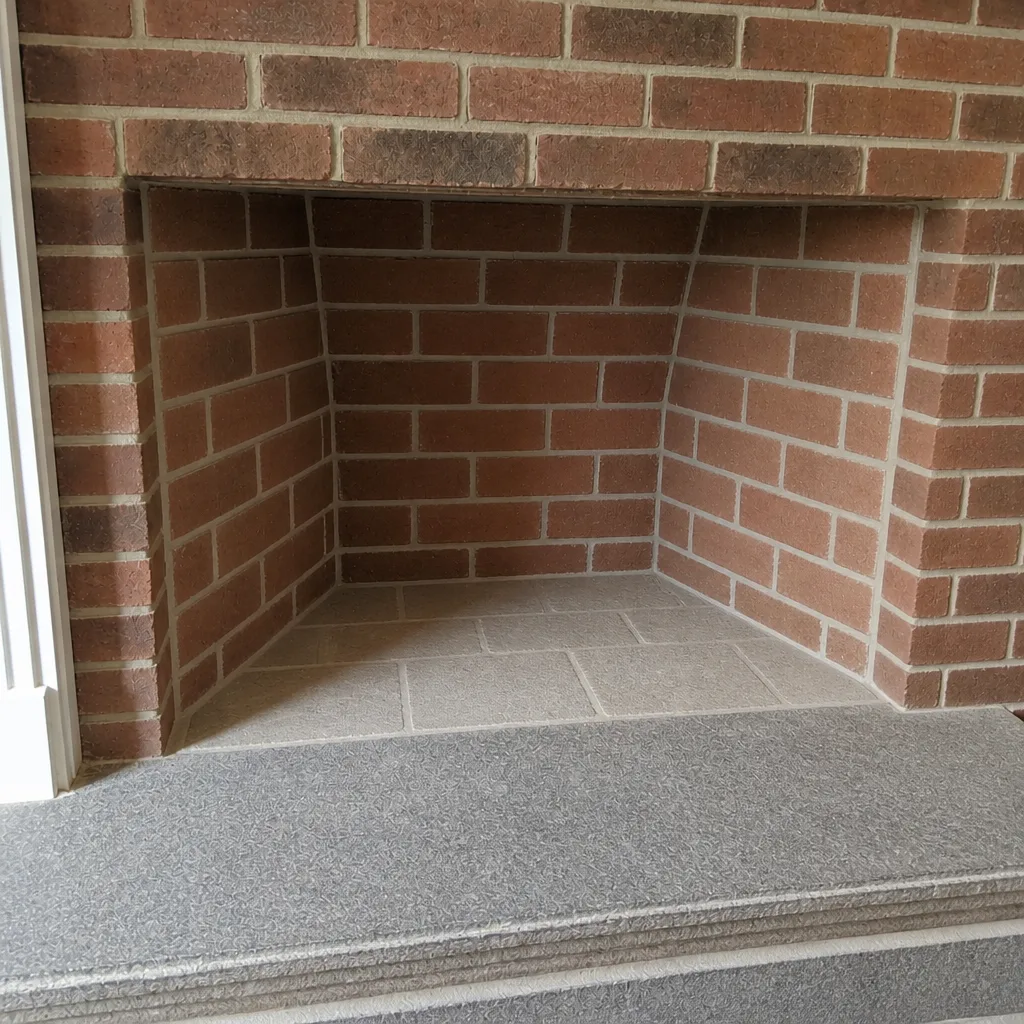
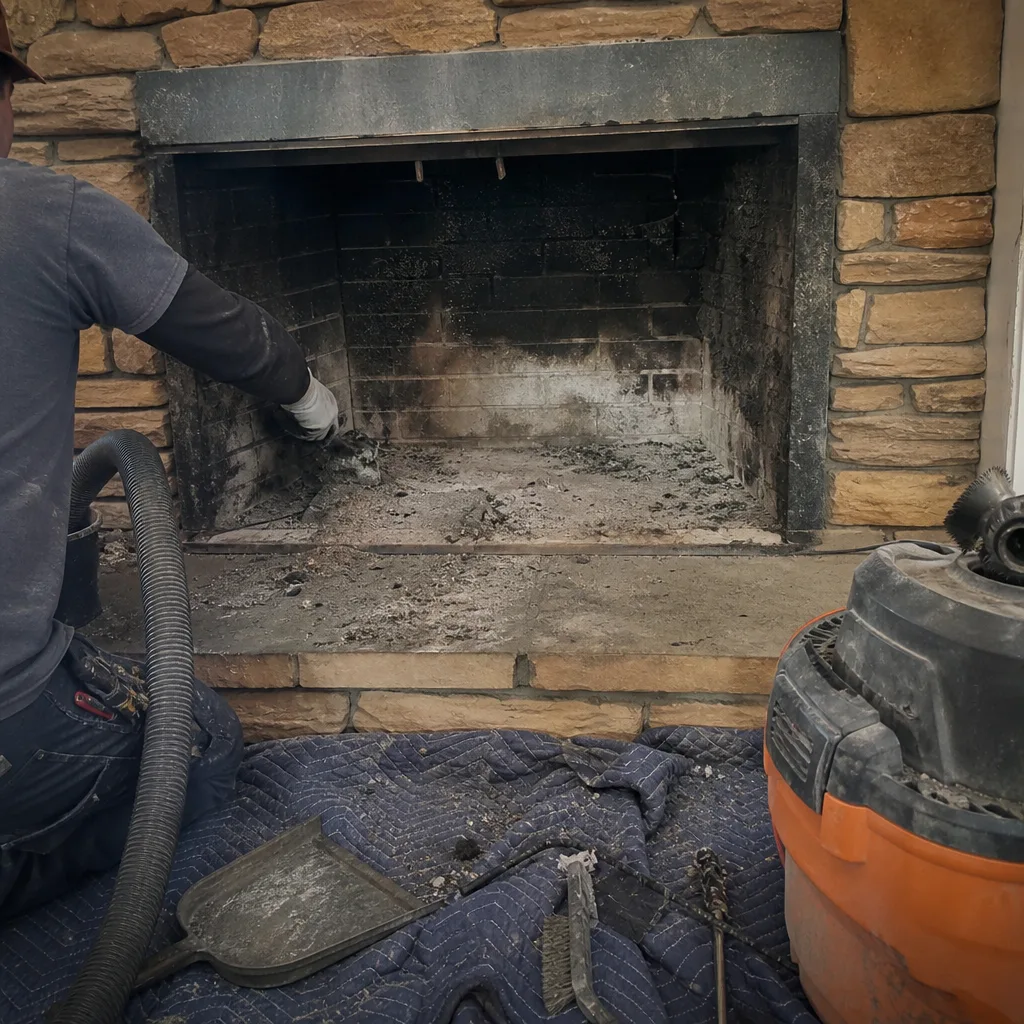
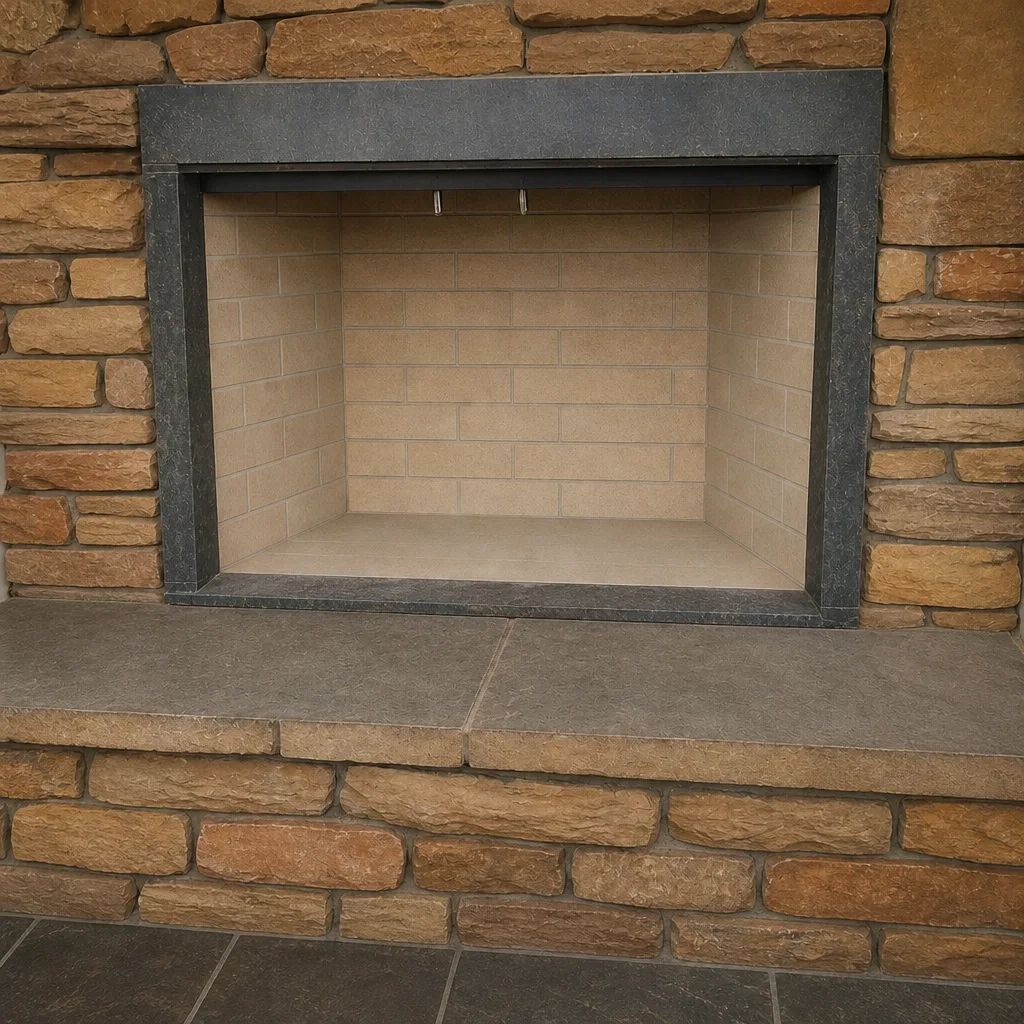
See the difference
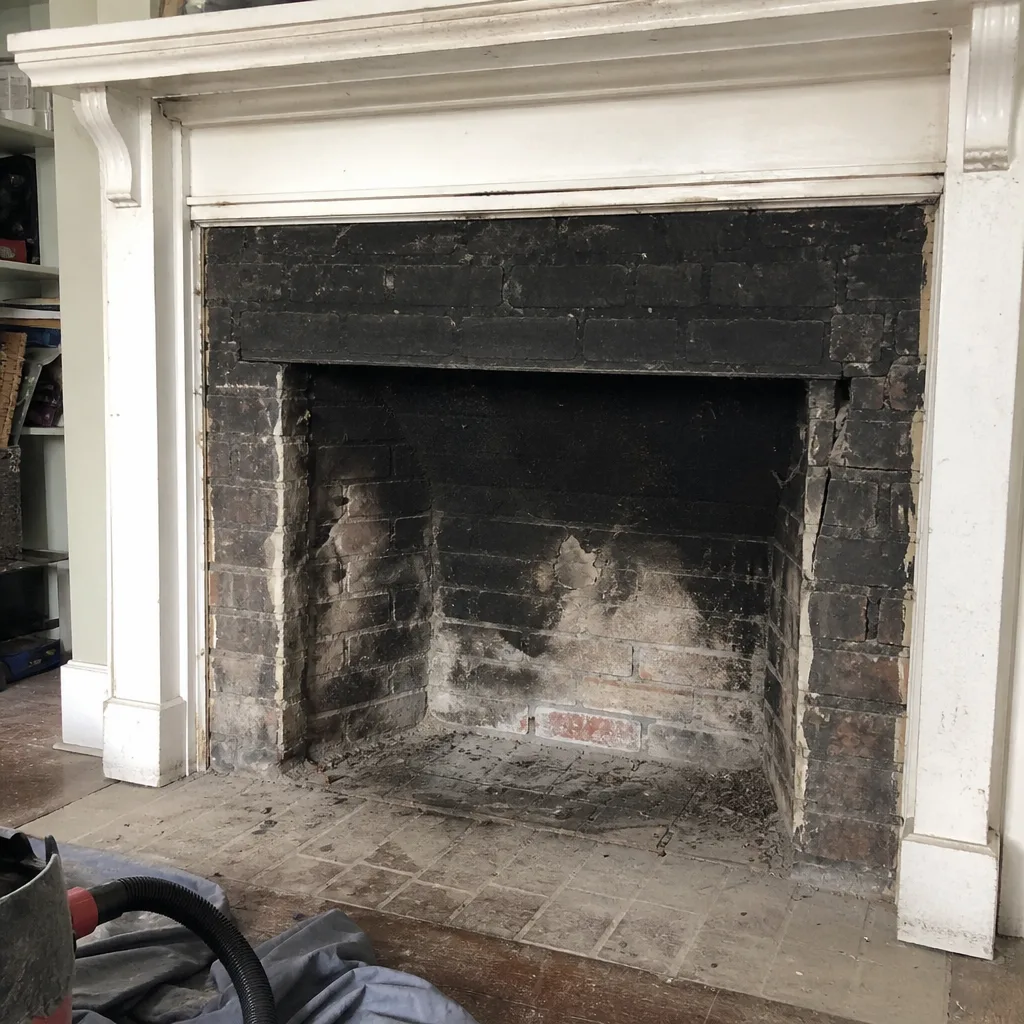 Before
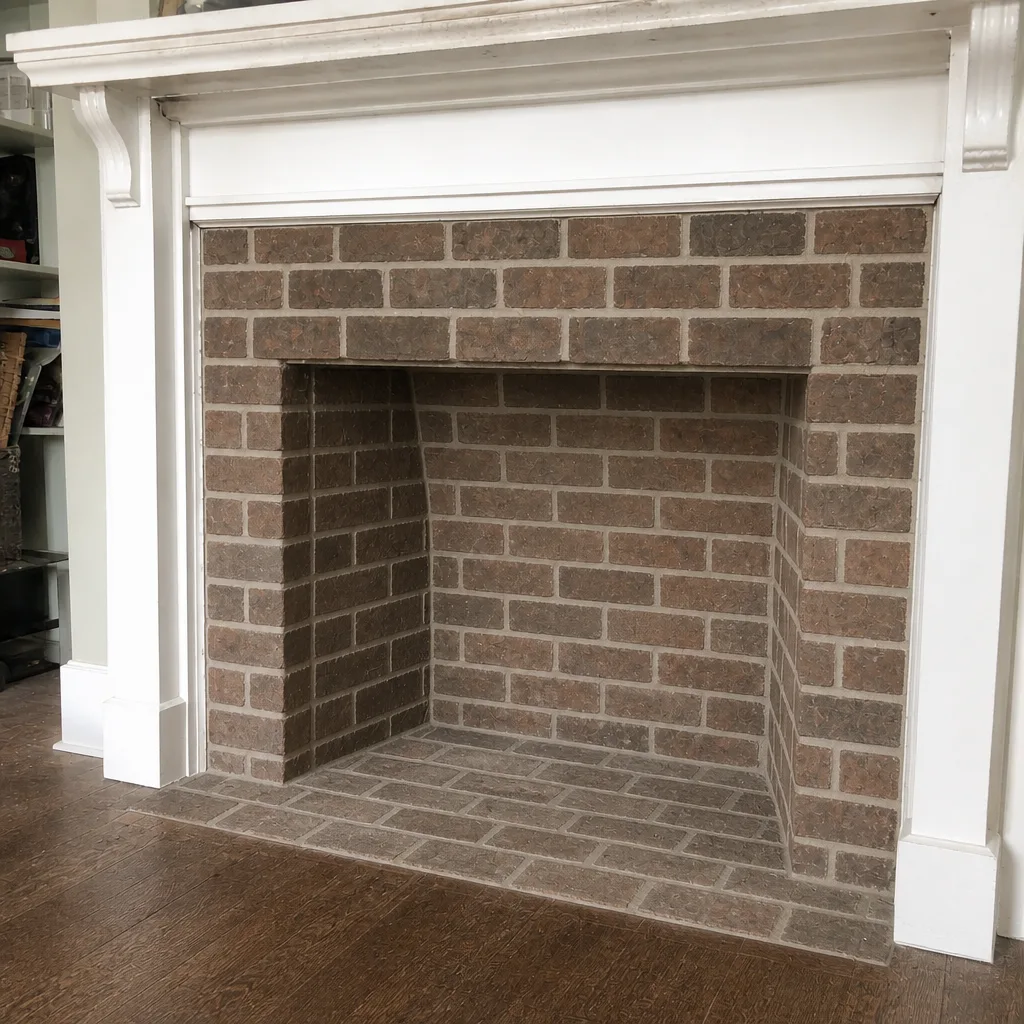 After
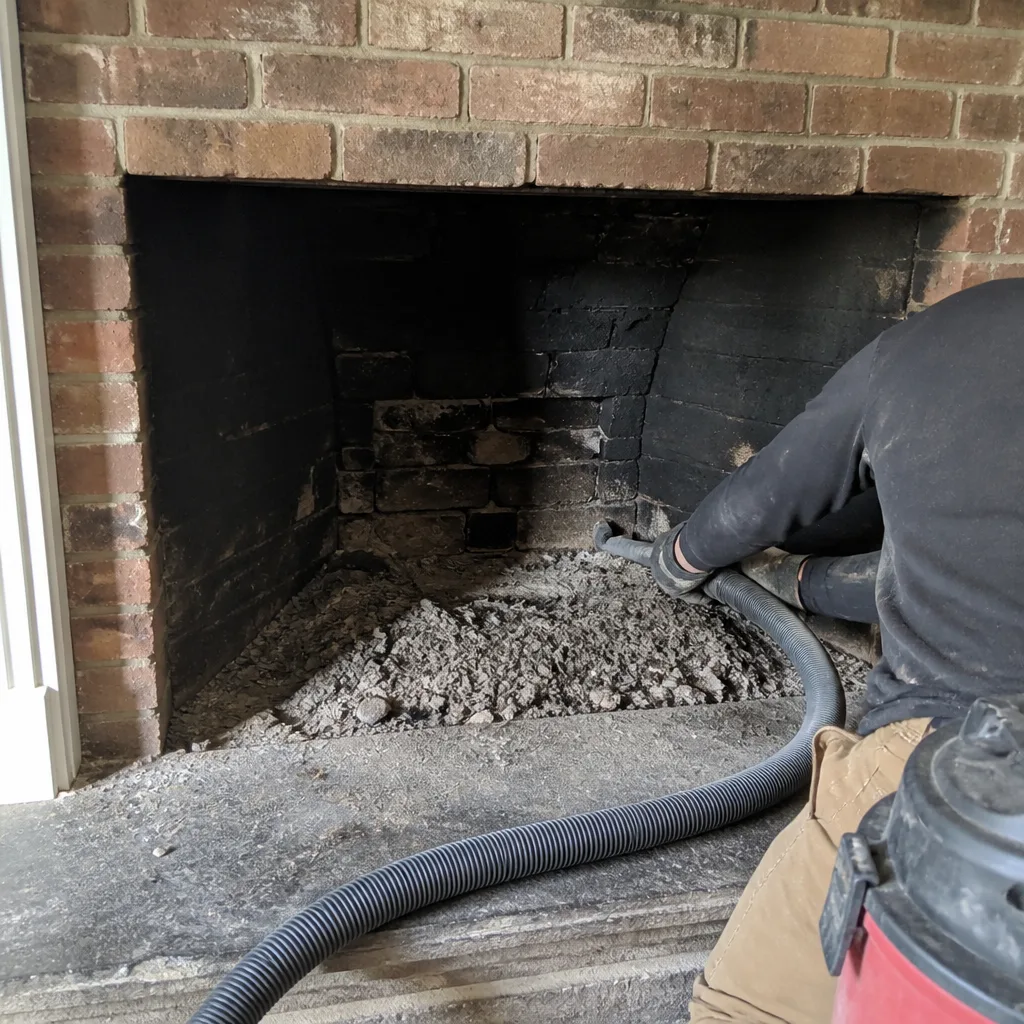 Before
 After
 Before
 After
When to Call a Professional
Some chimney care can wait for the calendar. Some can’t. Call a professional if you see smoke rolling back into the room when you open the firebox, if you smell smoke in the house after the fire has burned down, if you notice efflorescence spreading across the brick, if the crown has a visible crack, if the cap is loose or missing, or if it’s been more than a year since the flue was inspected. Call before you burn again if you’ve had a chimney fire, even a small one, because the liner needs to be checked before it’s used. Call if you’ve just bought a house with a fireplace and don’t know when it was last serviced. And call in spring if you want to get ahead of the fall rush. Chimney Sweep Lake Jeanette offers free estimates in Lake Jeanette. Call (877) 492-3599. We answer 24/7. Fast dispatch from 7am to 7pm, Sunday through Friday.
Frequently Asked Questions
Once a year is the baseline for a fireplace that sees regular use, and heavy burners (more than three fires a week) should have a mid-season inspection as well. In Lake Jeanette’s climate, we recommend booking the sweep in spring rather than fall, because creosote that’s removed before summer humidity sets it stays removable. A yearly spring sweep also keeps the flue clear going into the season. Call (877) 492-3599 for an exact quote. Estimates are free.
Spring removes creosote before summer heat and humidity bake it into glazed, third-degree deposits that a standard brush can’t remove. It also catches winter damage to the cap, crown, and flashing before spring rains find it. The fall sweep is still useful, but by then the creosote has had months to harden and the schedule is compressed. A spring sweep is the same work done at a better time. Call (877) 492-3599 to book a spring appointment.
Efflorescence is the white, chalky powder that appears on brick when water moves through the masonry and evaporates on the surface. On its own it’s cosmetic, but it’s a reliable sign that the brick is absorbing water, which means freeze-thaw cycles will eventually spall the brick face. In this climate, efflorescence in summer is the chimney asking for a waterproofing treatment. Call (877) 492-3599 for a look before the damage spreads.
A liner replacement is only recommended when there’s evidence it’s needed, and that evidence should be shown to you on camera, not just described. A cracked or deteriorated liner is a carbon monoxide risk, so it’s not something to defer. But a liner that’s intact and properly sized doesn’t need replacing, and we tell you plainly when work can safely wait. Nothing gets recommended without evidence you can see for yourself. Call (877) 492-3599 for an honest assessment.
Skipping spring means creosote sits through summer humidity and hardens into a form that’s harder to remove. Skipping summer means masonry absorbs water for months and the repair grows. Skipping fall means burning in a flue that hasn’t been checked. Skipping winter mid-season checks means small changes during heavy use go unnoticed. None of these fails immediately. They all compound, and the repair that would have been small in June becomes substantial by December. Call (877) 492-3599 for an exact quote. Estimates are free.
A standard sweep and inspection typically takes about an hour to an hour and a half for a single flue, longer if there’s significant creosote buildup or if repairs are found. We include a camera inspection and a photo report so you can see exactly what’s happening inside the flue, and we don’t leave until we’ve walked you through what we found. Call (877) 492-3599 to schedule.
The Bottom Line
A Lake Jeanette chimney needs attention in every season, and the single most common mistake is collapsing the whole year into one fall appointment. Spring removes creosote while it’s still removable. Summer protects the masonry from the humidity that quietly damages it. Fall verifies the flue before the first fire. Winter monitoring catches the changes that heavy use creates. Each season does a job that the others can’t, and the cost of skipping one is paid later, usually in the form of a repair that would have been smaller if it had been found sooner. The calendar is simple. The phone call is free. And a chimney that’s cared for year-round is a chimney you can actually trust.
Written by the team at Chimney Sweep Lake Jeanette.