
Last updated November 25, 2026
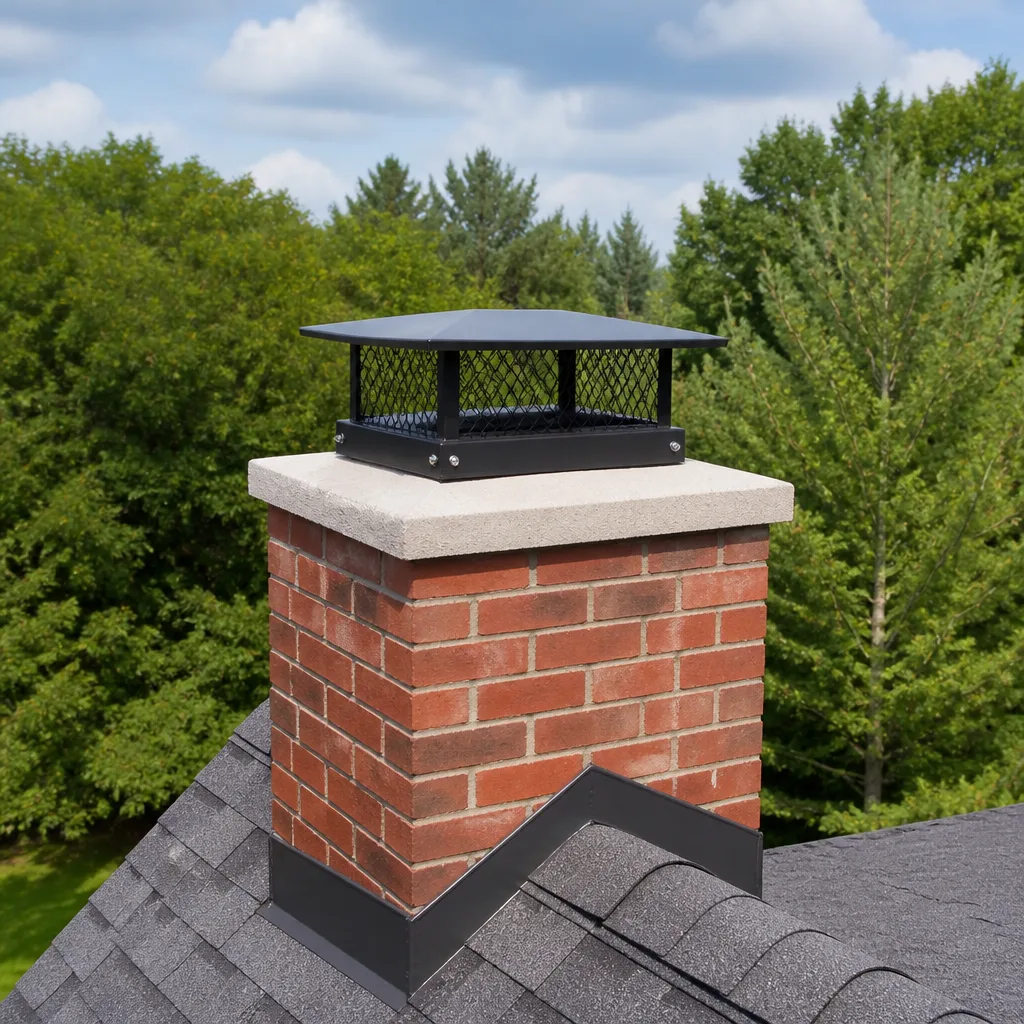 Sweep & inspection
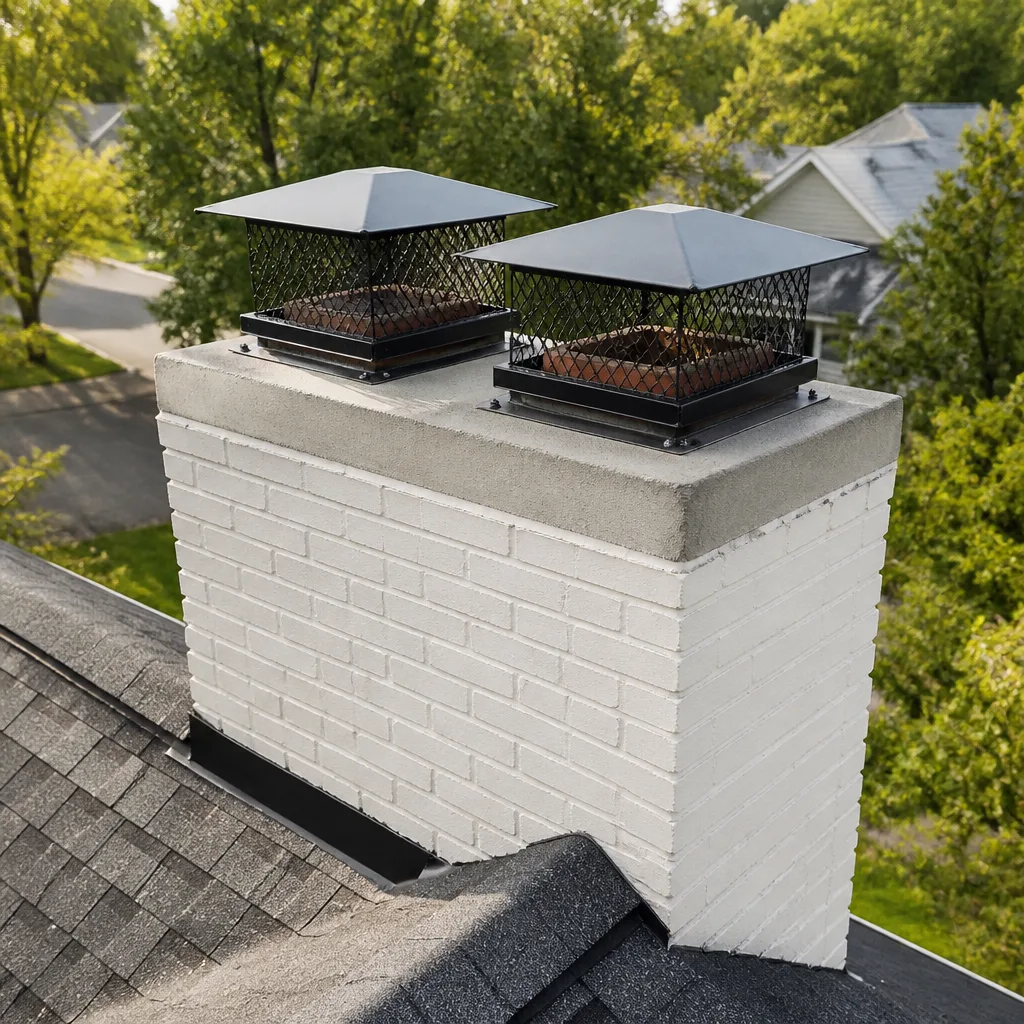 Caps & crowns
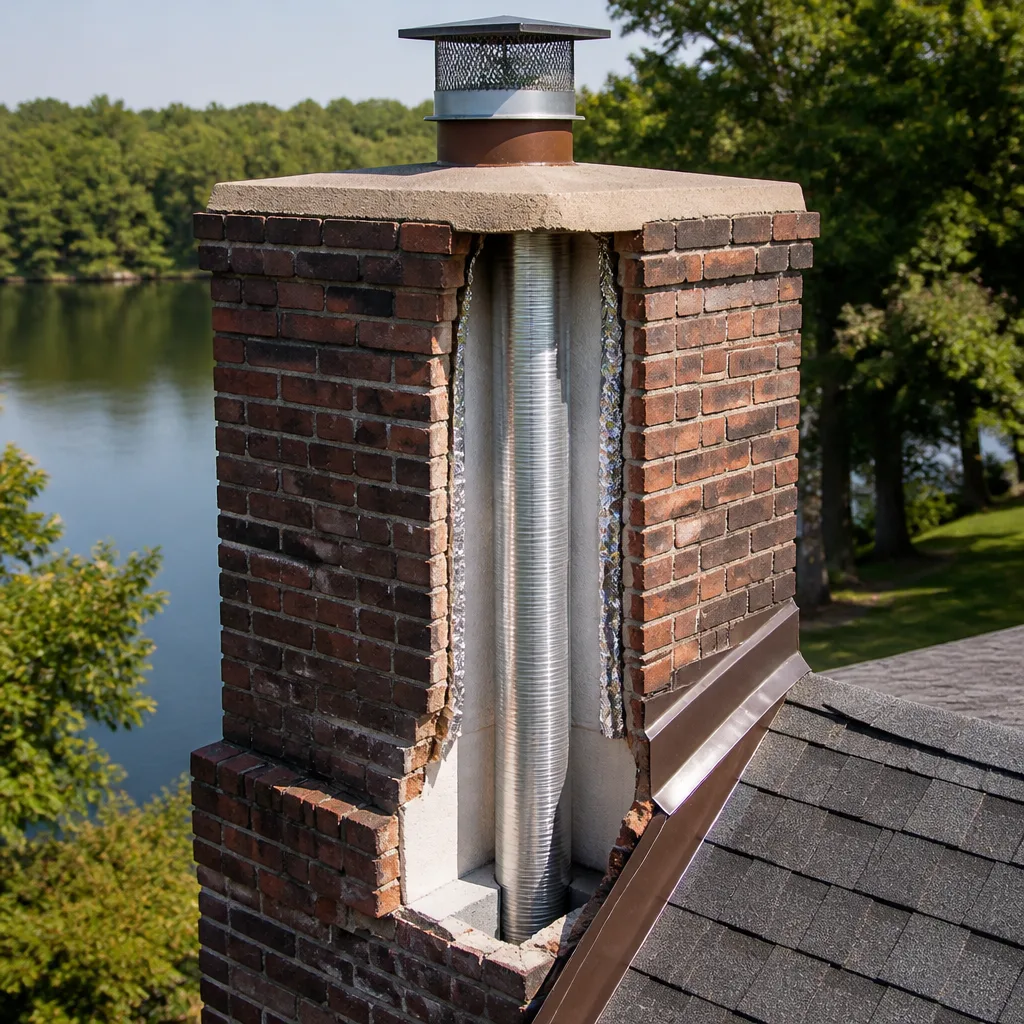 Flue relining
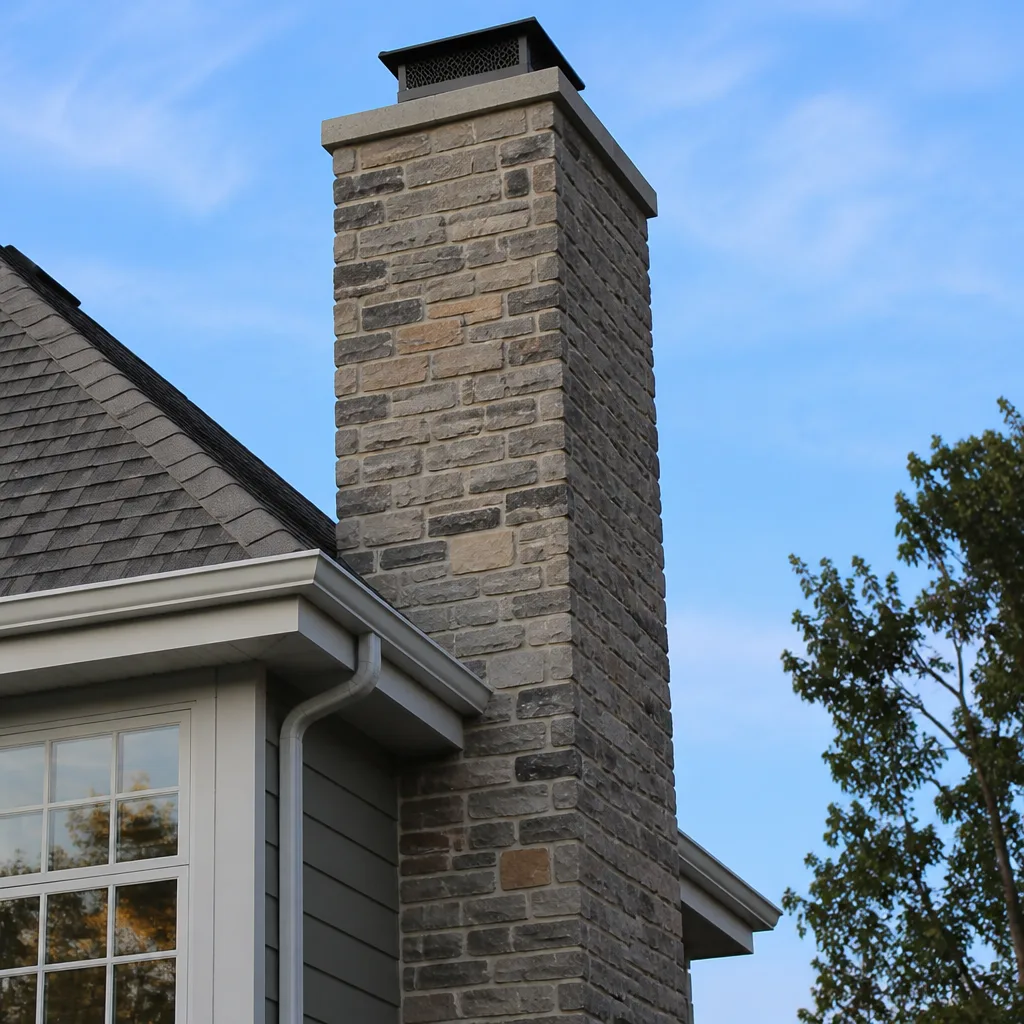 Masonry repair
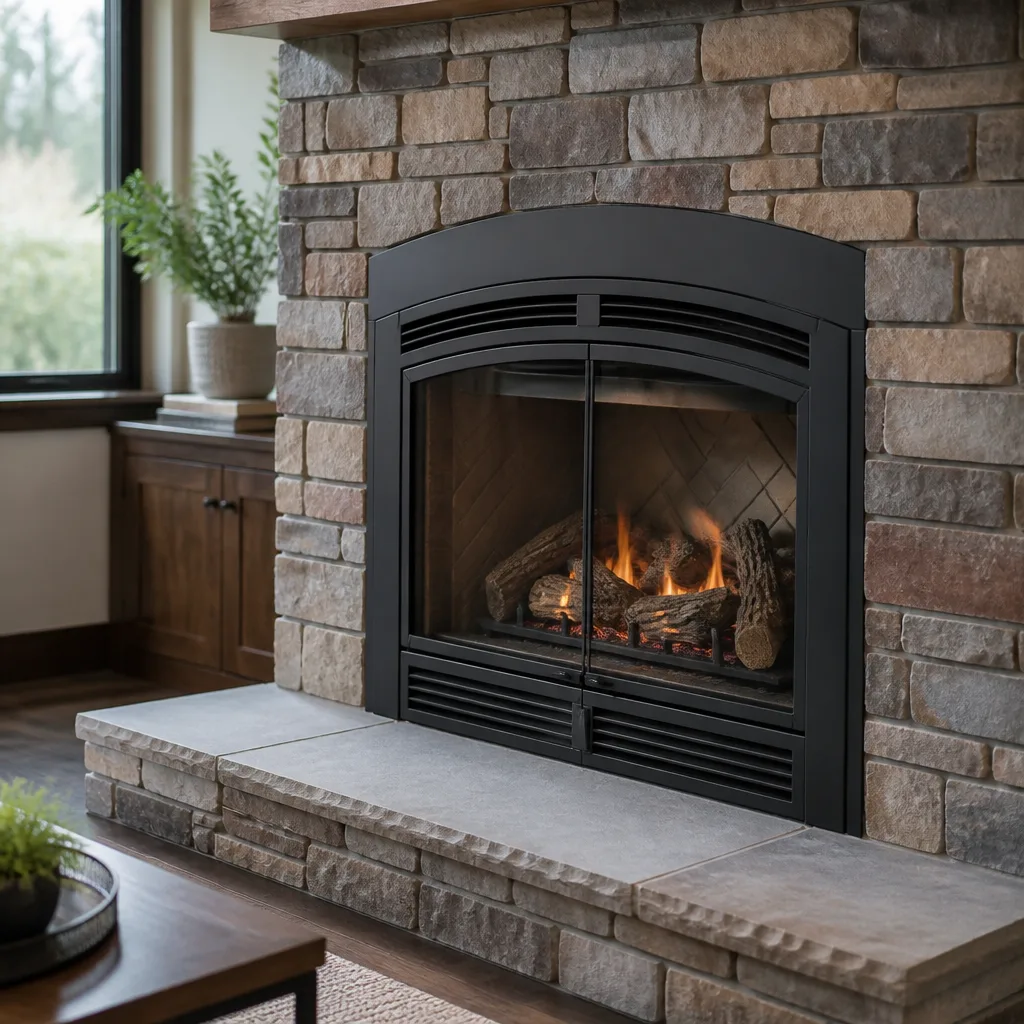 Gas fireplace service
Level 1 sweep and inspection to the NFPA 211 annual standard - flue, crown, cap, and flashing checked and photographed
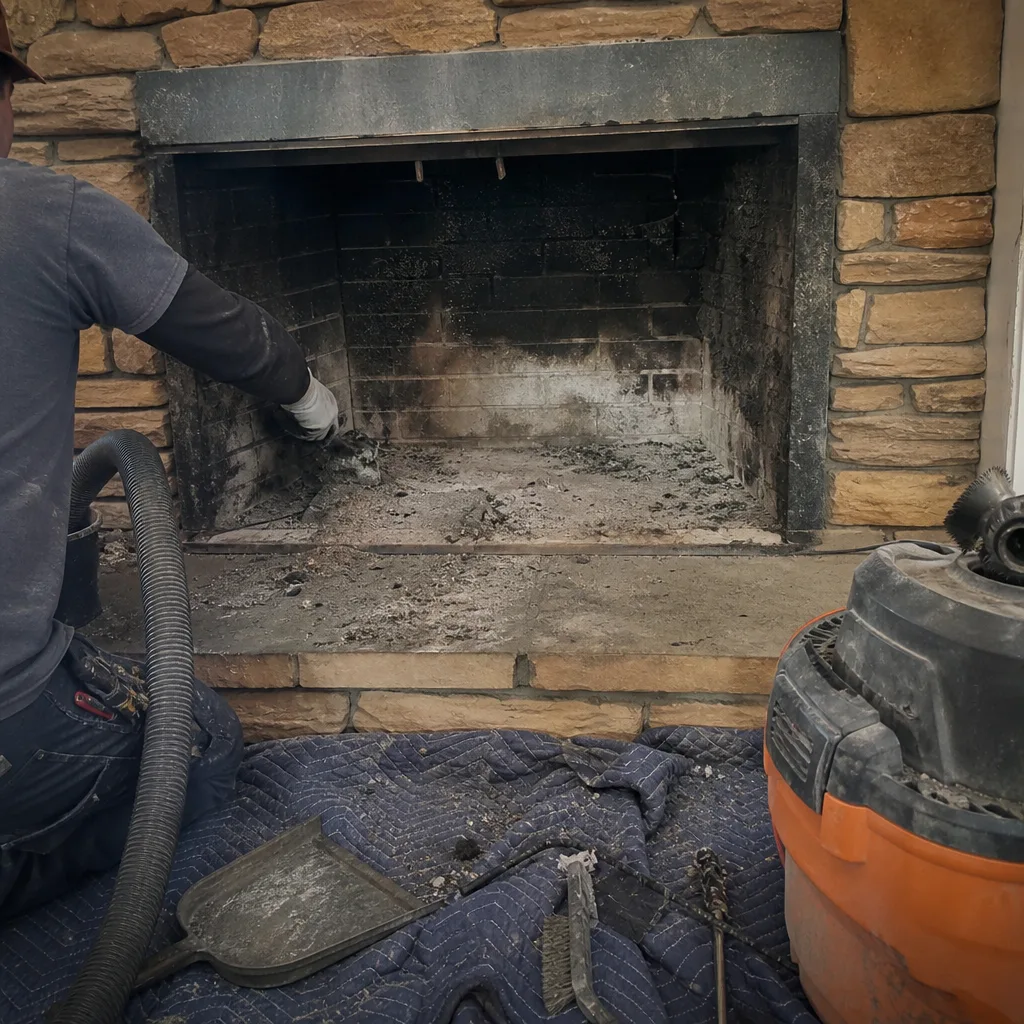
Chimney sweep logs do not sweep chimneys. They loosen some creosote - which then falls where a brush and vacuum still have to collect it.
Chimney Cleaning Permits, Codes & Inspections in Lake Jeanette, NC: What You Need to Know
The call that surprises homeowners most isn’t about creosote or a cracked crown. It’s the one where a real estate closing stalls because somebody years earlier had a liner swapped out or a firebox rebuilt without a permit, and now the paperwork doesn’t match the house. Cleaning a chimney almost never needs a permit in North Carolina. Repairing one often does, and the line between the two is where people get into trouble. In this guide we’ll walk through what NC Residential Code actually says, how NFPA 211 sits behind it, what a Guilford County inspection looks like when a chimney permit is pulled, and why an unpermitted repair can follow you into an insurance claim. If you own a fireplace in Lake Jeanette, this is the paperwork side of chimney care most people never think about until it matters.
Quick Answer
Routine chimney sweeping does not require a permit in North Carolina, but structural chimney work – liner replacement, crown reconstruction, firebox rebuilding, masonry repair – generally requires a building permit through Guilford County, and that permit triggers an inspection. NC inspectors check that work against NFPA 211, the national chimney standard, even when a local ordinance never names it. If a contractor tells you a permit isn’t needed for liner or structural work, treat that as a warning sign.
Styles & brands we work with
- Sweep & inspection
- Caps & crowns
- Flue relining
- Masonry repair
- Gas fireplace service
Table of Contents
- Maintenance Cleaning vs. Structural Repair: Where the Permit Line Falls
- How NFPA 211 Functions in North Carolina
- Guilford County Inspections: What a Chimney Permit Actually Triggers
- Unpermitted Chimney Work and Homeowner Insurance Claims
- Contractors Who Discourage Permits
- Liner Replacement, Camera Evidence, and Materials That Meet Code
- How a Codes-Aware Chimney Job Actually Runs
- What Lake Jeanette Homeowners Should Know About Their Chimneys
Maintenance Cleaning vs. Structural Repair: Where the Permit Line Falls
In North Carolina, cleaning a chimney is maintenance. It’s routine, it doesn’t alter the structure of the flue, and the state doesn’t require a permit for it. The confusion starts because “chimney cleaning” gets used loosely to describe everything from a brush-and-vacuum sweep to pulling a liner out and pressing a new one in. Those are very different jobs from a code standpoint.
Here’s the practical split we work with:
- No permit typically needed: removing creosote and soot during a standard chimney sweep, a visual Level 1 inspection, installing or replacing a chimney cap, minor mortar touch-ups that don’t alter structure.
- Permit generally required: liner replacement, crown reconstruction, firebox resurfacing that changes the firebox dimensions, rebuilding the smoke chamber, structural masonry repair, chimney removal or height changes, and any work that alters the flue’s venting capacity.
The reasoning holds up when you look at what a permit is actually for. A permit is Guilford County’s way of confirming that structural work meets the adopted code before the house is closed back up. A sweep doesn’t change anything structural, so there’s nothing to inspect. A new stainless liner changes how the appliance vents, and that’s a code question. That’s why you’ll sometimes get a blank look when a homeowner asks “do I need a permit for chimney cleaning?” The honest answer is: cleaning, no. When the work moves into liner or structure, yes, and that’s the moment to slow down.
This is where a scope conversation matters. Before any work is scheduled, we tell homeowners which category their job falls into, because a permit failure later is far more expensive than the permit itself.
How NFPA 211 Functions in North Carolina
NFPA 211 is the Standard for Chimneys, Fireplaces, Vents, and Solid Fuel-Burning Appliances. It’s the technical reference that describes how a chimney should be constructed, what clearances are required, how thick a liner needs to be, and what qualifies as a safe installation. It’s also the standard a North Carolina inspector is likely to reach for when evaluating chimney work, even if the local ordinance never uses the phrase “NFPA 211” anywhere in its text.
That’s an important detail. Homeowners sometimes search the county code, don’t find an explicit chimney section, and conclude there’s no standard to meet. In practice, adoption of the NC Residential Code carries the standards forward by reference, and NFPA 211 sits behind a lot of what a chimney inspector looks at. In everyday terms:
- The state adopts a version of the residential code that references chimney and venting standards.
- Those standards point back to NFPA 211 for the details: clearances, liner requirements, hearth extension dimensions, venting capacity.
- Guilford County inspectors evaluate the work against those referenced standards, which is why an inspector with no chimney-specific training can still fail a job that doesn’t match NFPA 211 clearances.
What this means for a homeowner is pretty simple. You don’t have to memorize NFPA 211 to make good decisions, but you should ask anyone doing structural work whether they know the standard and can explain how the repair meets it. In our experience, a chimney technician who can walk you through the clearance requirements and liner specs is the one you want on the roof.
Guilford County Inspections: What a Chimney Permit Actually Triggers
When a chimney permit is pulled in Guilford County, the county attaches inspections to it. The specific number and order depend on the scope of work, but there’s a reliable pattern: at least one inspection before the work is concealed, and a final inspection when it’s done. For chimney work that generally means an inspector sees the flue or firebox while it’s still open, then signs off after the liner, crown, or masonry is closed back up.
What an inspector is typically looking at:
- Liner condition and material. Is the new liner listed for the appliance and installed per the manufacturer’s instructions? Is it continuous, properly sized, and correctly terminated at top and bottom?
- Clearances to combustibles. Are the required air spaces intact between the chimney and framing? Were they packed with insulation during a previous repair, which is a common failure?
- Crown and flashing. Does the crown slope correctly and shed water away from the flue? Are flashings properly installed where the chimney meets the roof?
- Firebox and hearth. Is the firebox rebuild to spec? Does the hearth extension meet the required dimensions for the appliance?
- Cap and spark arrestor. Is the top properly capped to keep water and animals out without impeding draft?
If an inspection fails, the county issues a correction notice. Work has to be redone before the permit can be closed, and in our experience that’s where the cost of skipping the permit shows up. Liner work pulled apart and redone is a lot more than the permit fee. And a permit that never gets closed becomes a paperwork problem at the next sale.
We can’t quote the county’s fee or turnaround, and you shouldn’t take a number from us anyway: call Guilford County’s permit office directly and ask. What we can say is that for any liner, crown, or structural job, the permit is a small part of the total and it’s the part that protects you.
Unpermitted Chimney Work and Homeowner Insurance Claims
Homeowners insurance is where unpermitted work really bites. Standard policies almost universally include language that lets an insurer deny or limit a claim when damage stems from work that wasn’t done to code, wasn’t permitted, or wasn’t disclosed. The exact wording varies by carrier and policy, so read yours, but the pattern is consistent: after a chimney fire or a carbon monoxide event, an adjuster will look at what was repaired, when, and whether the paperwork backs it up. If a liner was replaced without a permit and the damage traces to that liner, the claim can become an argument instead of a payout.
The reason adjusters look at chimney repairs is that chimney failures have a clear provenance. A fire in a flue is usually the result of creosote accumulation or a liner that was never properly rated for the appliance. A carbon monoxide problem is usually a venting failure or a liner that wasn’t continuous. Both are code questions.
Three places homeowners run into this:
- Filing a claim after a chimney fire. The adjuster asks for documentation of prior work. If the only record is a cash receipt from a sweep company, the claim gets harder.
- Selling the house. A buyer’s inspector flags a liner that’s not a listed product or doesn’t match the appliance. The seller has to explain a repair that was never permitted.
- Refinancing. Lenders increasingly ask for documentation on recent chimney work, especially on homes with wood-burning appliances that have been modified.
The fix isn’t complicated. Keep the permit paperwork with the closing documents, and keep the inspection report and the material spec sheet with it. That folder is worth more than the savings from skipping the permit.
Contractors Who Discourage Permits
The most consequential red flag we hear about isn’t a bad repair. It’s a technician who talks a homeowner out of pulling a permit because “it’s just a liner” or “the county won’t inspect a chimney anyway.” Those statements aren’t convenience; they’re a liability transfer. The contractor gets paid and moves on. The homeowner holds the paperwork risk for the next ten years.
There are a few reasons a chimney contractor discourages permits:
- They aren’t licensed or insured for the scope. Some chimney work is classified as a general contracting or specialty trade and requires licensing the contractor doesn’t carry.
- They don’t want the inspection. A county inspector will compare the work against NFPA 211 and the adopted code, which means the contractor can’t fudge clearances or use an unlisted liner.
- They’re doing the work off-book. Cash-only chimney repair is a signal that the contractor doesn’t want a paper trail, and that includes the paper trail that would protect you in an insurance claim.
What to ask instead: does this specific job require a permit, and are you pulling it? If the contractor can articulate the difference between a sweep and structural work and can name the applicable standard, that’s a good sign. If the answer is “chimneys don’t need permits,” ask them to put that in writing, and watch what happens.
Liner Replacement, Camera Evidence, and Materials That Meet Code
Liner replacement is the most common chimney repair that requires a permit, and it’s also the repair where homeowners get most often told they need more work than they do. The way to keep both problems in check is the same: camera evidence before anything gets quoted.
What a correct liner replacement involves, in plain terms:
- A camera inspection of the existing flue. We run a camera down and record what’s actually there. If a liner is cracked, we can show you the crack. If a liner is intact, we tell you no.
- Verification that the appliance and the flue are compatible. A wood-burning appliance needs a properly sized flue; a gas appliance has different venting requirements. The liner has to match.
- A listed liner system installed per the manufacturer’s instructions. We work with contractor-grade systems including DuraFlex and Olympia Chimney because those are the products inspectors recognize and the products with engineered installation specs. A big-box substitute is not the same product, even if the box looks similar.
- Insulation where required for clearance or performance. In many installations the liner needs to be wrapped or the flue needs insulation to meet clearance requirements. Skipping that is a common code failure.
- Termination and connection. Top plate, cap, appliance connection, and any required support at the top and bottom.
- Permit and inspection, then a final camera pass. After the inspector signs off, we run the camera again and you get the report, so you have a record of what’s inside the flue as it stands today.
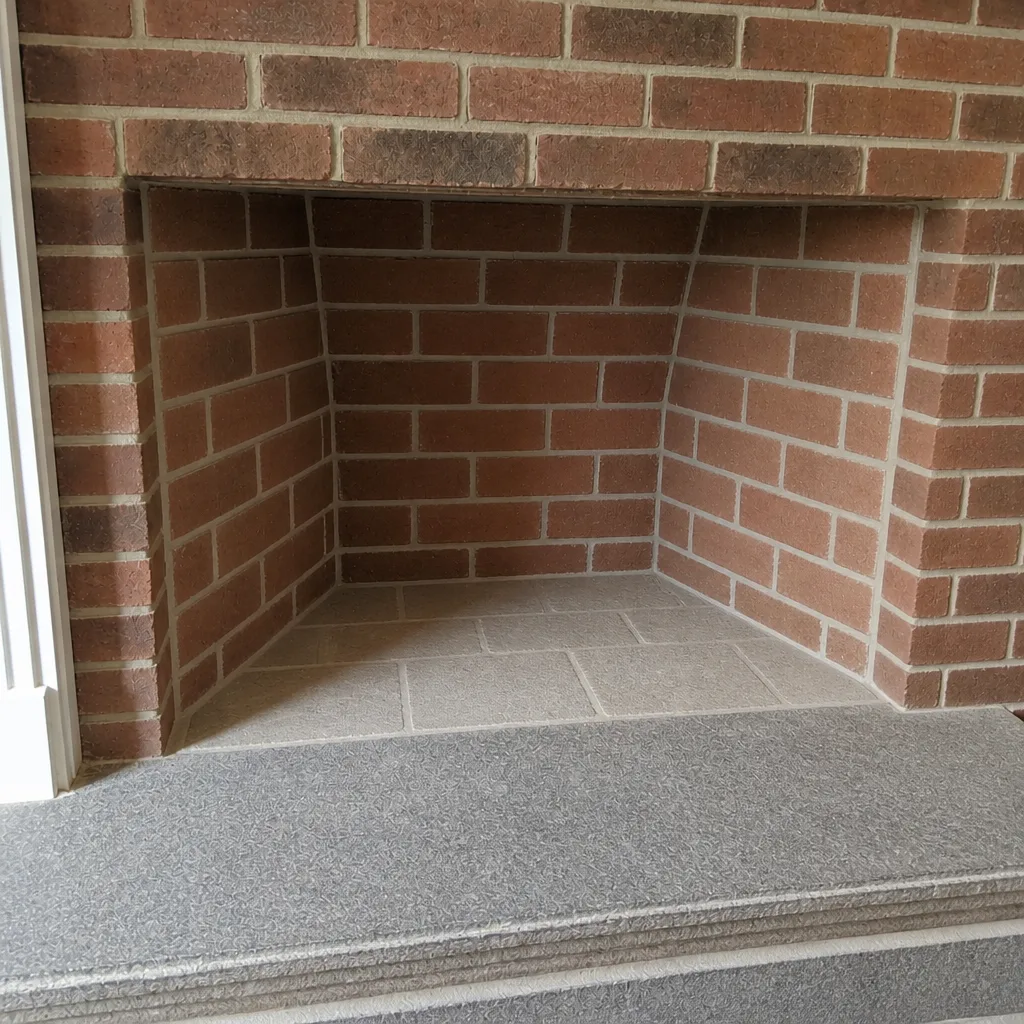
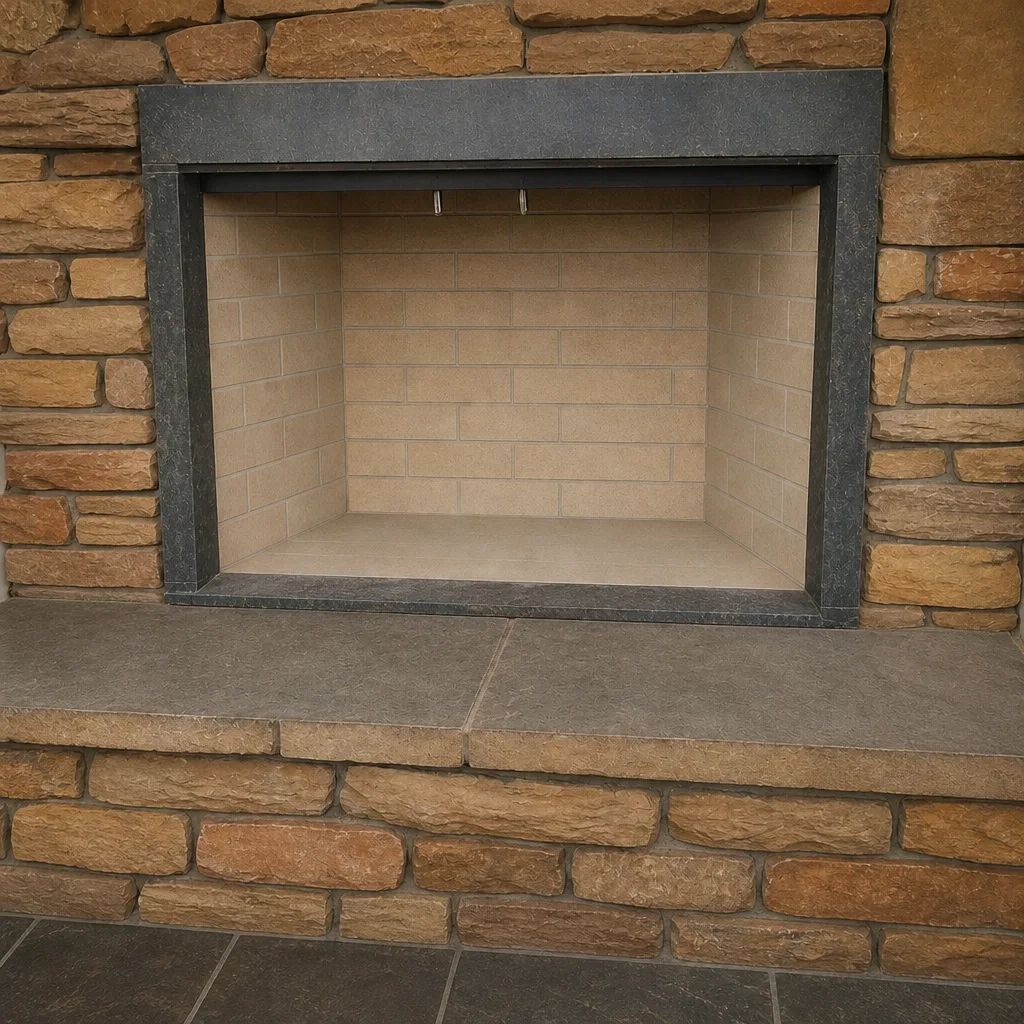
For firebox repairs, HeatShield is the resurfacing system we use most often because it’s a designed repair for cracked and deteriorated fireboxes rather than a mortar smear. It’s also the kind of repair a county inspector can verify against a known spec, which is exactly what you want.
If your concern is the firebox itself, our fireplace repair work covers the firebox, damper, and related fireplace components. If the crown or cap is where the water is getting in, chimney cap & crown work handles that end of the system.
How a Codes-Aware Chimney Job Actually Runs
Here’s the sequence we follow on any job that touches the flue or structure, and the one you should expect from any chimney company that understands the code:
- Level 1 or Level 2 inspection first. Camera inspection with a written report and photos. You see what we see, in plain language.
- Scope conversation. We tell you which part of the work requires a permit and which doesn’t, and why.
- Written estimate. Line-item, with material specs. The final price is set by the written estimate.
- Permit filing with the city or county, when required. This is filed before any structural work starts, not after.
- The work. Contractor-grade liner systems and firebox materials: DuraFlex, HeatShield, Gelco, Olympia Chimney, Famco, and Copperfield, chosen for the specific job.
- Inspection. The county inspects the open work and signs off at final.
- Final report and documentation. You get the camera pass, the permit number, and the paperwork that follows you through a future sale or insurance claim.
The last step is the one most chimney companies skip, and it’s the one that actually saves you money in the long run. A chimney sweep cleans; a chimney company that understands the code sends you the file.
What Lake Jeanette Homeowners Should Know About Their Chimneys
Lake Jeanette sits in the Piedmont, and the Piedmont climate is harder on chimneys than people assume. Summers are humid, the shoulder seasons swing up and down thirty degrees in a day, and the winters bring enough freezing nights to matter. That combination is what drives the crown and flashing failures we see most: water gets into a hairline crack during a thaw, freezes overnight, and widens it. By the time anybody notices, the leak has reached the masonry.
None of that’s unique to Lake Jeanette, but the concentration of tall chimneys on homes here, and the number of fireplaces that get used regularly through the cooler months, means the inspections add up. A chimney that vents without issue for years can develop a problem inside the flue without any outward sign at all.
For the neighborhood-level split:
- Lakefront properties. Chimneys exposed to the prevailing wind off the water take more water on the upwind face. Crowns and flashing are worth a look every year or two.
- Homes with tall exterior chimneys. The taller the chimney, the more masonry above the roofline has to be maintained. Cracks in the upper courses are easy to miss from the ground.
- Homes on wooded lots. More leaf fall means more cap blockage and more animal intrusion into the flue. A cap with a spark arrestor screen handles both.
We work across Lake Jeanette and the surrounding Guilford County area. Our technicians have up to 10 years of experience with this local climate and the repair patterns it produces.
Common Mistakes to Avoid
- Assuming “no permit for cleaning” means “no permit for anything.” Cleaning is maintenance; liner and structural work is code work. Skipping the permit on a liner job is the mistake that costs the most at sale or claim time. Ask the contractor which category your job falls into.
- Not asking for camera evidence before authorizing a liner. A pitch for “thousands in liner work” without a recorded inspection is impossible to verify. Insist on the camera and the photo report.
- Hiring a sweep company to do structural repairs. The scope of work matters. A sweep-only company may not have the materials, training, or permit familiarity for a liner or firebox job. In Lake Jeanette, ask about those directly.
- Letting a contractor talk you out of the permit. “Chimneys don’t get inspected” is a liability transfer. Ask for their answer in writing.
- Not keeping the paperwork. The permit, inspection report, and material spec sheet should live in the same file as your closing documents. Without them, the repair is invisible to an adjuster five years later.
- Skipping inspections because the fireplace “looks fine.” The most serious flue defects don’t produce a visible symptom inside the living room. Annual inspection is how they get caught.
- Assuming the cap and crown aren’t part of the code conversation. They are. Improperly installed caps and flat-topped crowns that hold water fail inspection and fail the home.
See the difference
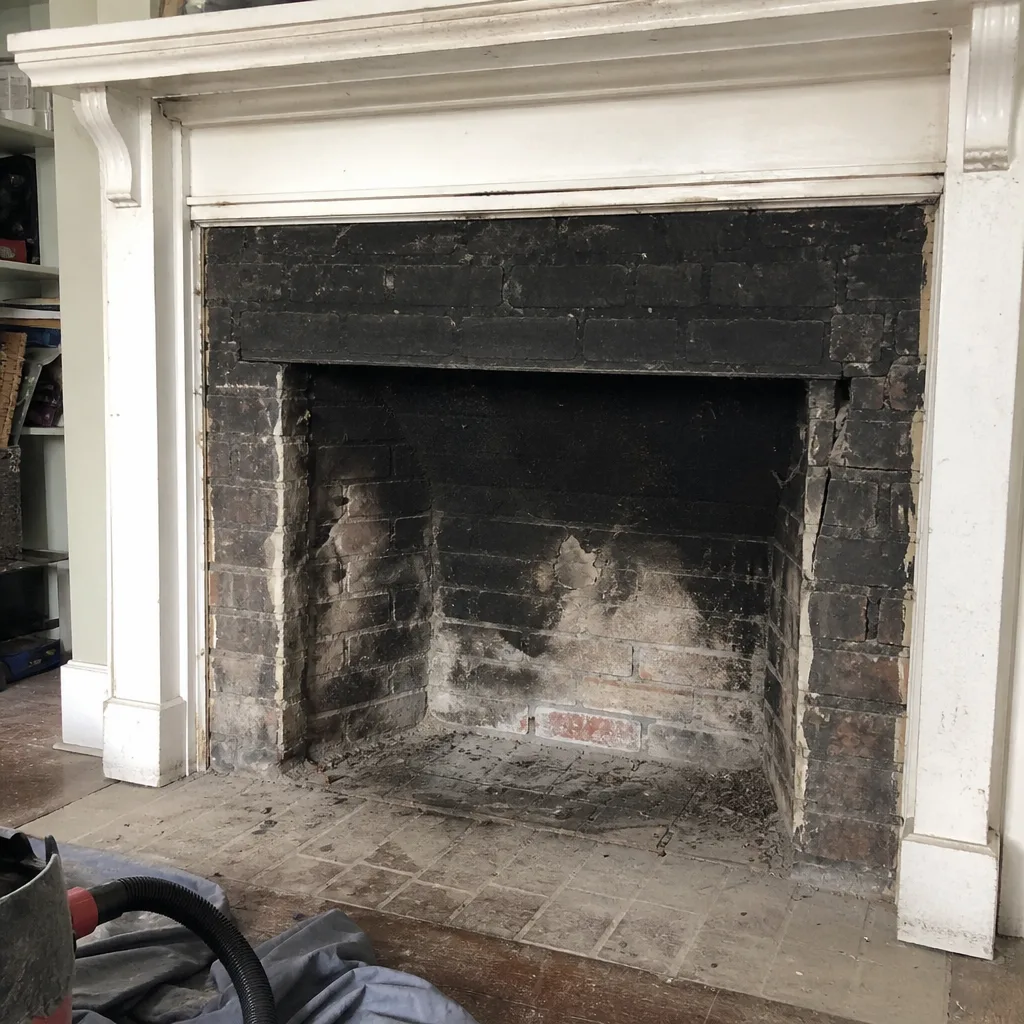 Before
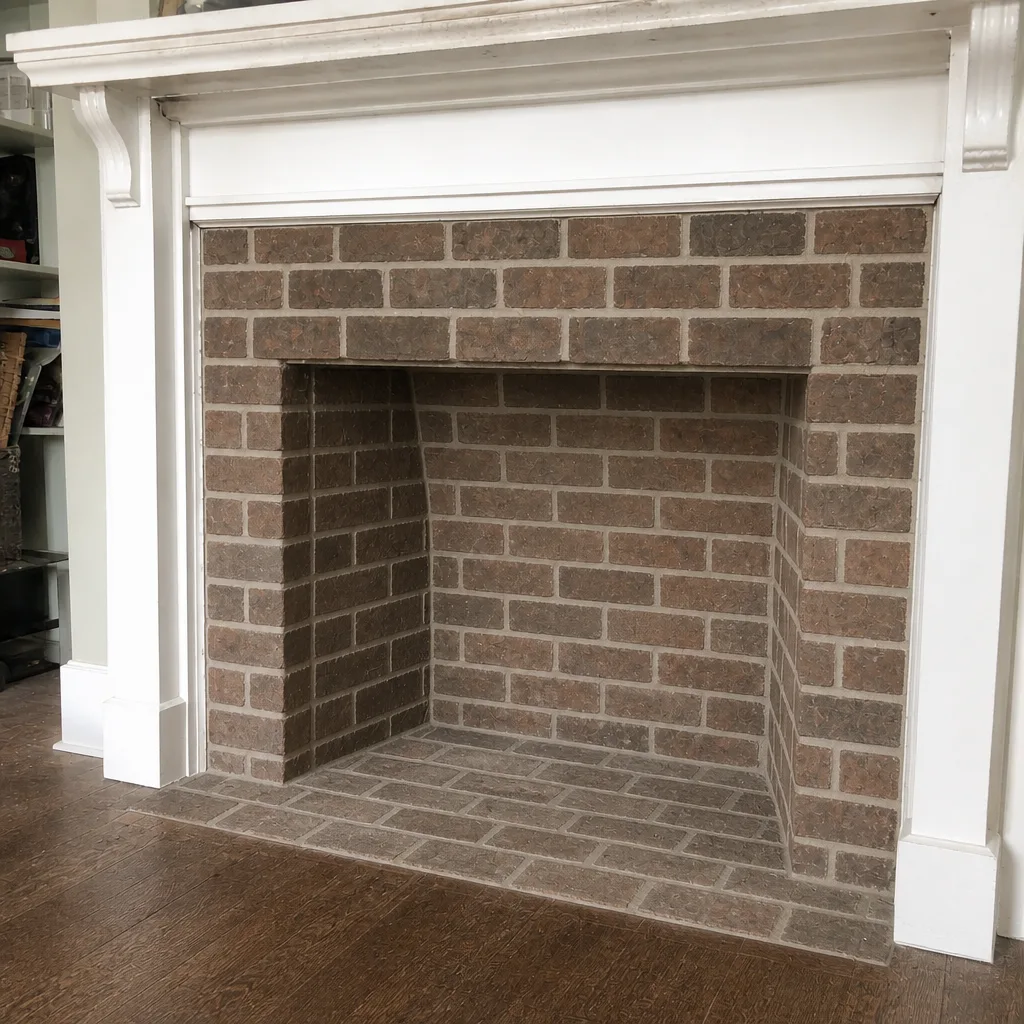 After
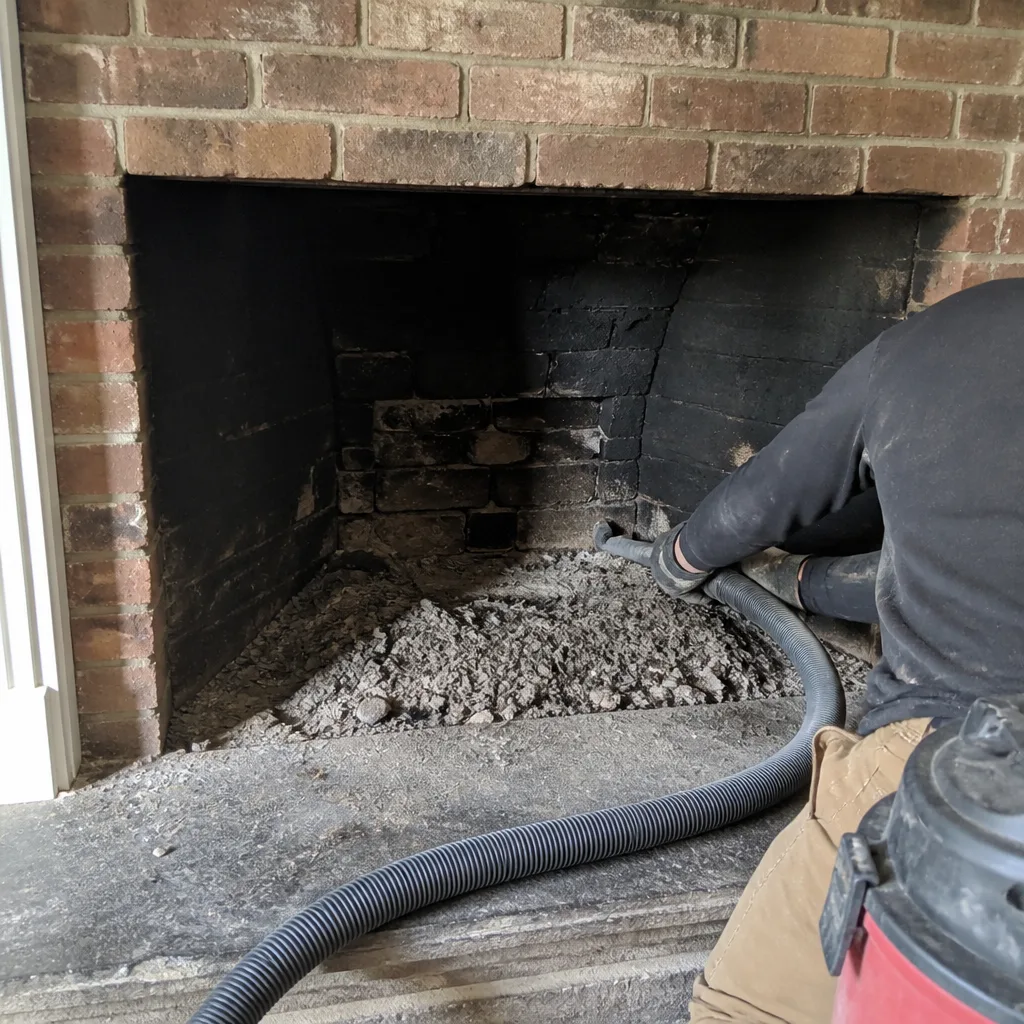 Before
 After
 Before
 After
When to Call a Professional
Some chimney issues are safe to wait on. Others aren’t. Call a professional if any of the following apply: you’re buying or selling a home with a fireplace and there’s no documentation of recent work; a previous contractor did liner or firebox work you can’t verify was permitted; you’ve smelled smoke in the house during a fire or noticed soot falling back into the firebox; the crown has visible cracks or the cap is missing or damaged; you’ve gone more than a year without an inspection on an actively used fireplace; or a chimney sweep quoted a large repair without running a camera.
For those situations, Chimney Sweep Lake Jeanette offers free estimates in Lake Jeanette. The estimate is written, per job, and nothing gets recommended without camera evidence you can review. Call (877) 492-3599 to schedule. We answer 24/7. Fast dispatch from 7am to 7pm, Sunday through Friday.
Frequently Asked Questions
No. Routine chimney sweeping in North Carolina doesn’t require a permit, because it’s maintenance and doesn’t alter the flue’s structure or venting capacity. A permit becomes necessary when the work moves into liner replacement, crown reconstruction, firebox rebuilding, or structural masonry. If a company tells you a permit is needed just to sweep, ask for their reason in writing. Call (877) 492-3599 for an exact quote on any chimney service – estimates are free.
Yes, in most cases. Liner replacement changes how the appliance vents, which is a code question under the NC Residential Code and NFPA 211, so it generally requires a permit and inspection through Guilford County. The permit is small compared to the cost of the liner, and it’s the paperwork an insurer will ask for after a fire. Call (877) 492-3599 – estimates are free and we’ll tell you exactly what your job needs.
NFPA 211 is the national standard for chimneys, fireplaces, vents, and solid fuel-burning appliances. North Carolina’s adopted code references it, so inspectors evaluate chimney work against NFPA 211 clearances and liner requirements even when the local ordinance text doesn’t name it explicitly. Any contractor doing structural chimney work should be able to explain how their install meets it.
It can. Standard policies generally include language that allows an insurer to deny or limit coverage when damage stems from work done without a permit, without a license, or not to code. The exact language varies by carrier, so read your policy. If a recent liner or structural repair isn’t documented, an adjuster will have a harder time writing the check. Call (877) 492-3599 for a free estimate on bringing the work into compliance.
At least once a year for an actively used fireplace, and more often if you burn heavily or have had any repair work done. The Piedmont’s humid summers and freezing winter nights put stress on crowns, flashings, and masonry, which is why annual inspections here catch issues that a milder climate would let slide. Camera inspection and a photo report should be part of it. Call (877) 492-3599 for an exact quote – estimates are free.
You need one if a camera inspection shows the existing liner is cracked, unlisted for the appliance, improperly sized, or missing. If those conditions aren’t there, you don’t need one, and we tell you so. No liner gets recommended without camera evidence you can review, and the report stays with you. Call (877) 492-3599 – estimates are free.
The Bottom Line
Chimney cleaning doesn’t require a permit in North Carolina, but structural work does, and the distinction matters at the moment you least want to find out which category your repair fell into: while selling a house, or after a chimney fire. NFPA 211 sits behind the local code even when the ordinance never names it, and Guilford County inspections verify chimney work against it. Unpermitted repairs create real exposure in an insurance claim, and a contractor who discourages the permit is passing that exposure to you. If you’re in Lake Jeanette and you want a straight answer on where your chimney stands, our team at Chimney Sweep Lake Jeanette can help: camera inspection, written report, written estimate, and full documentation of permitted work.
Call (877) 492-3599 for a free estimate. We answer 24/7. Fast dispatch from 7am to 7pm, Sunday through Friday.
Written by the team at Chimney Sweep Lake Jeanette.