
Last updated November 25, 2026
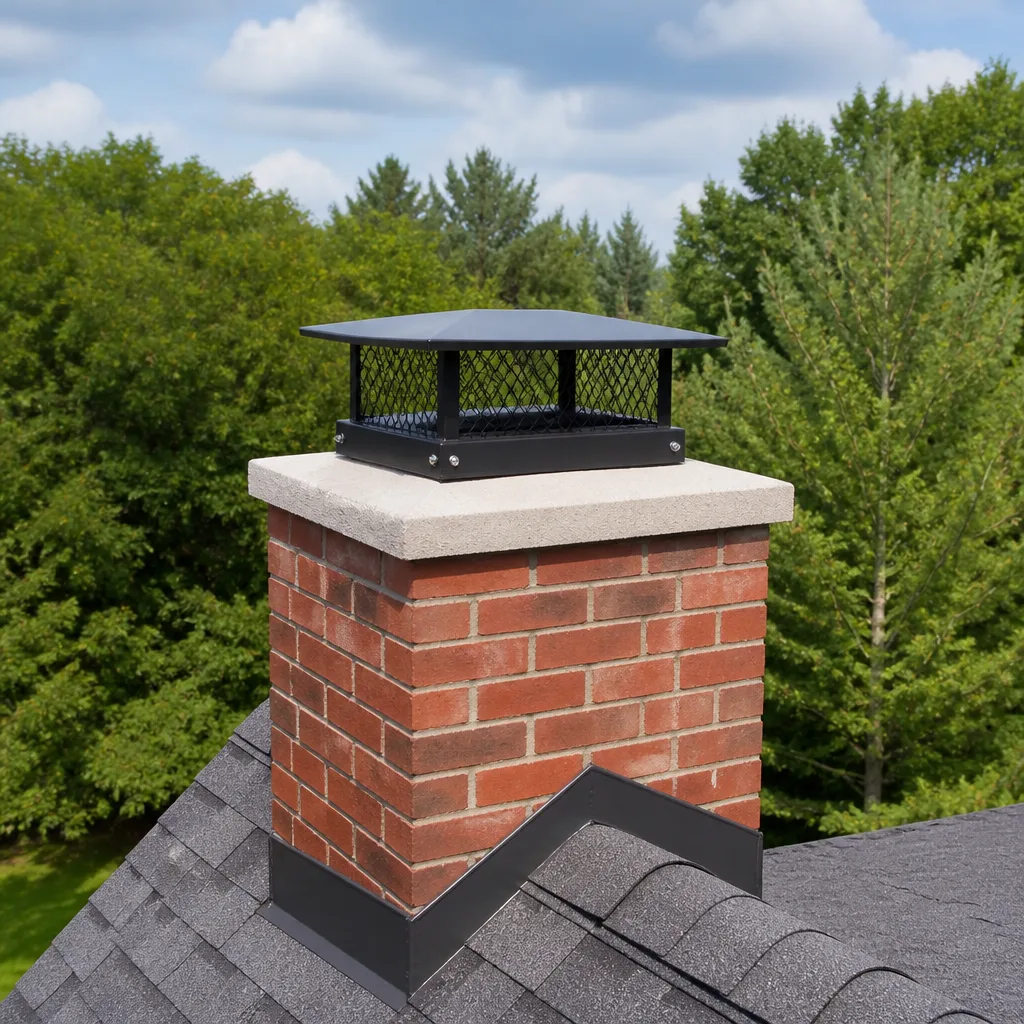 Sweep & inspection
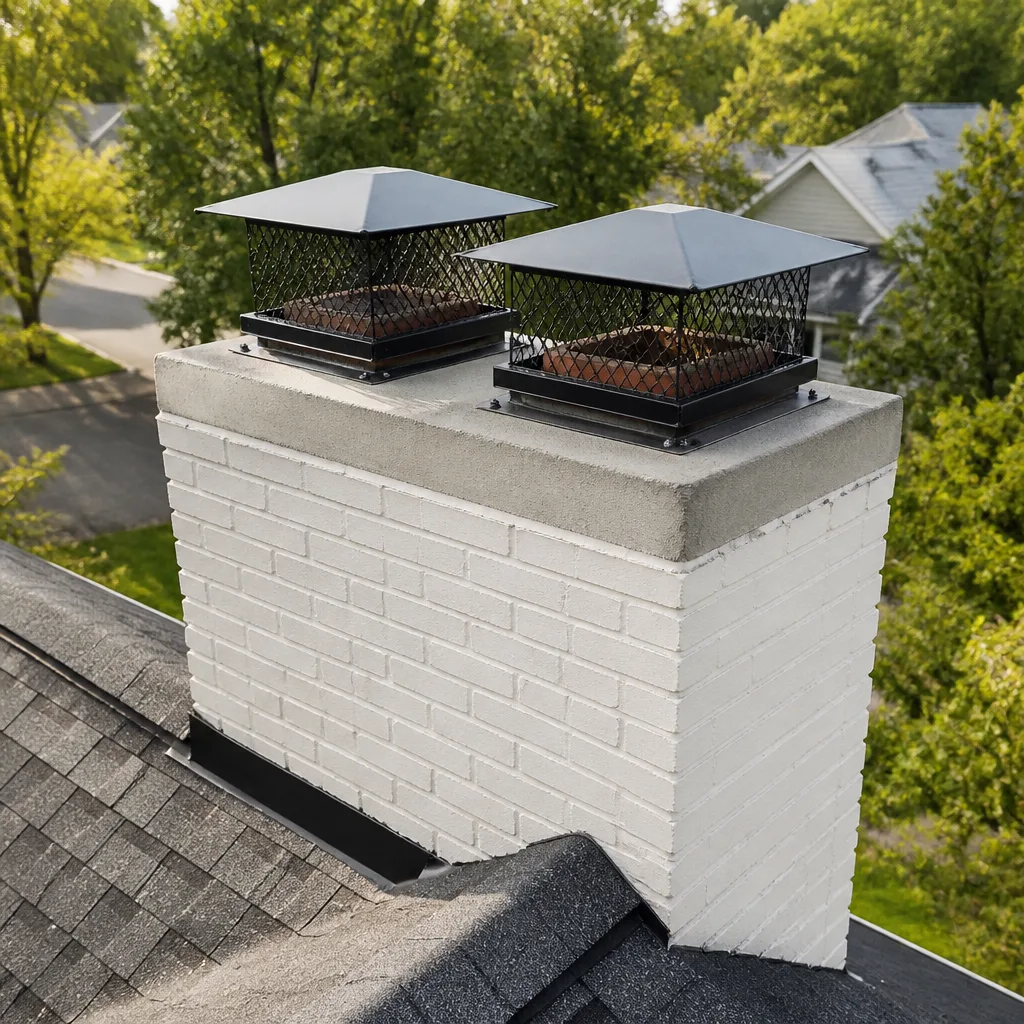 Caps & crowns
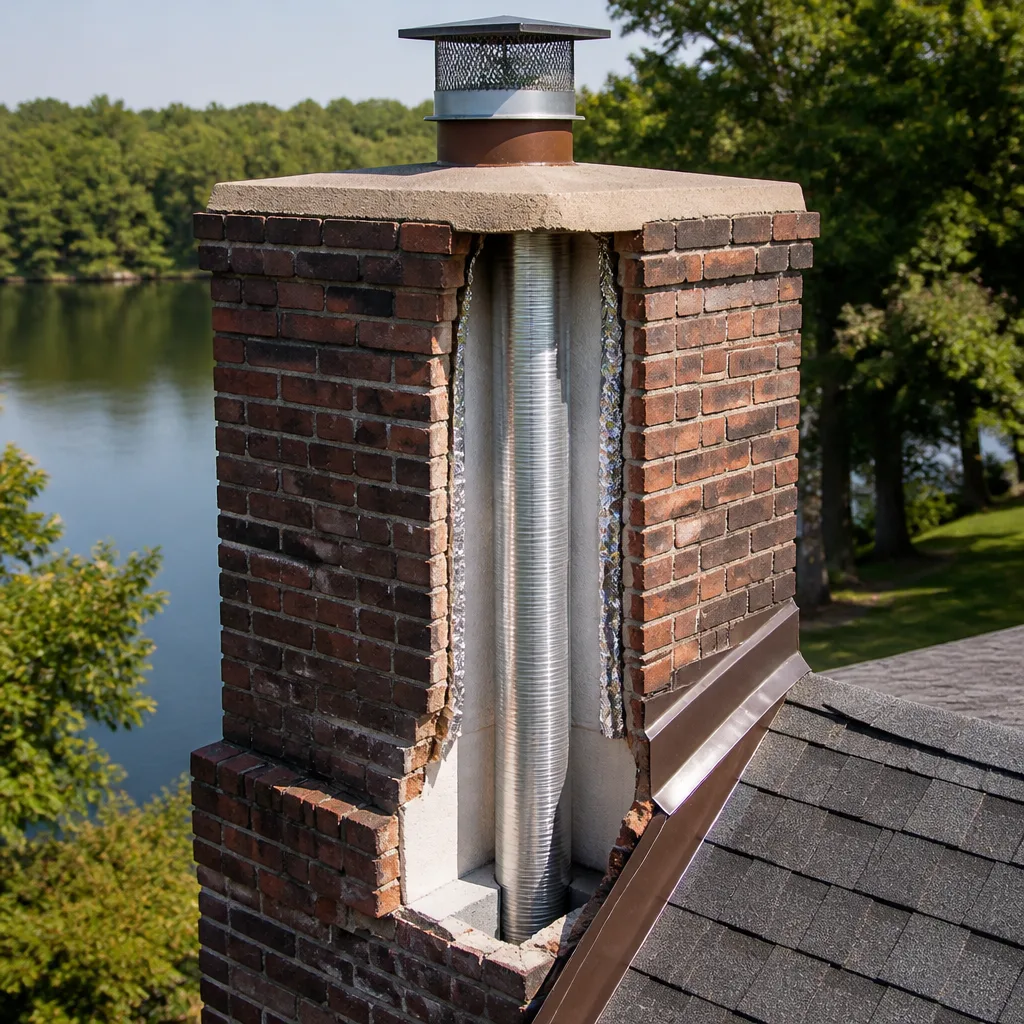 Flue relining
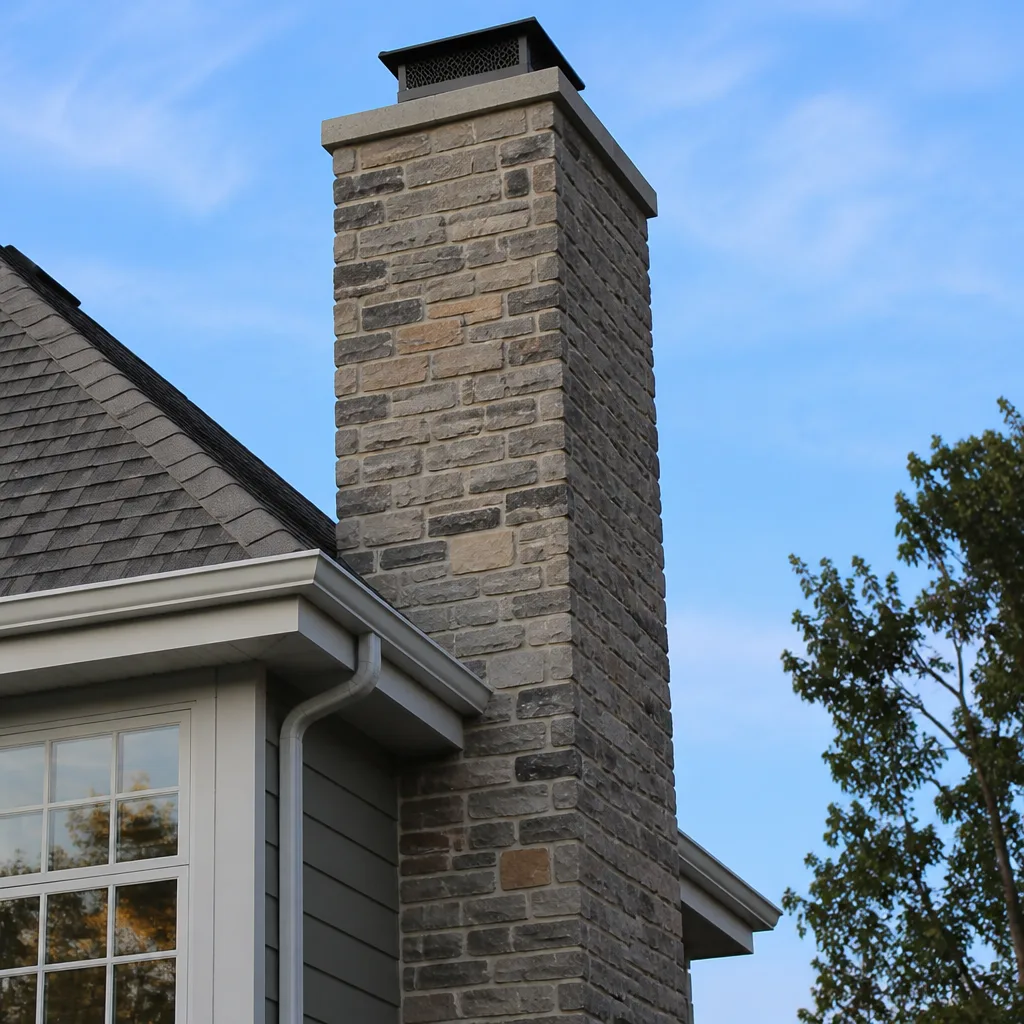 Masonry repair
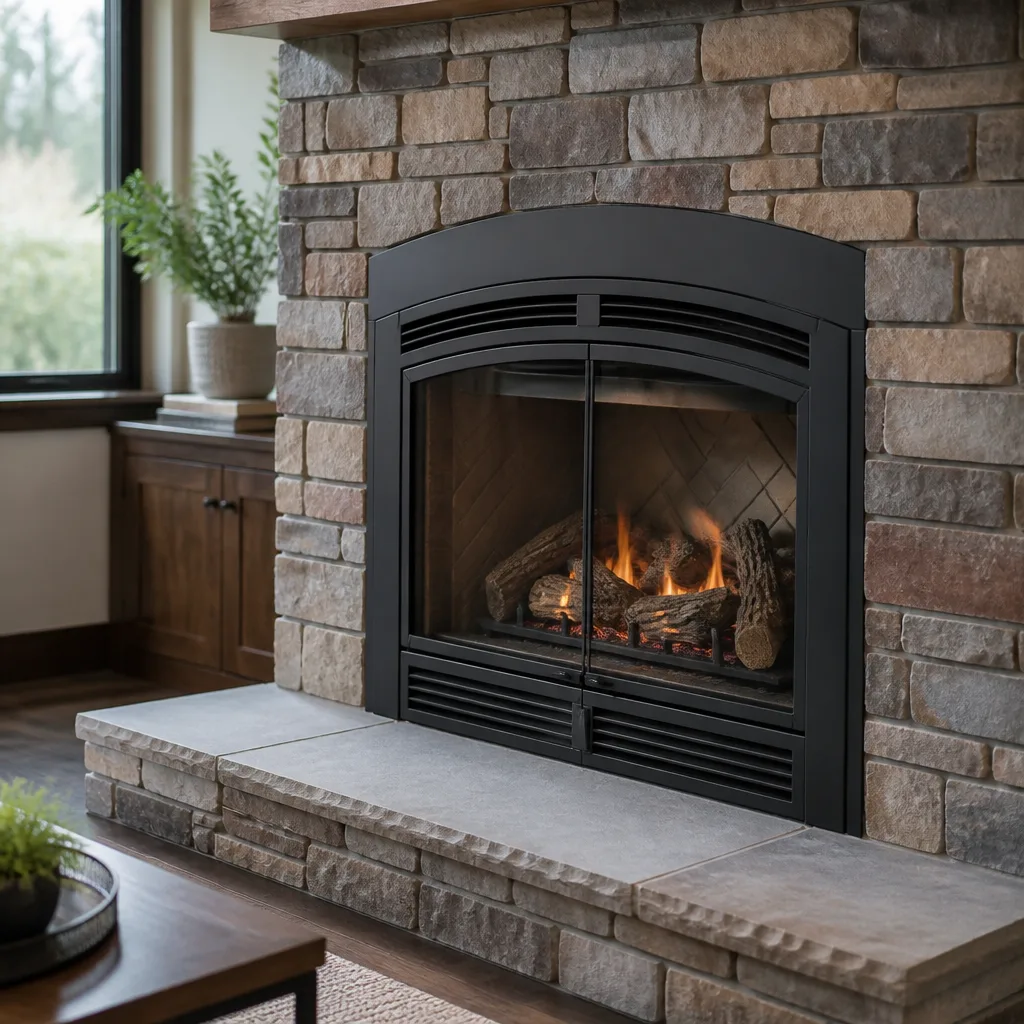 Gas fireplace service
Level 1 sweep and inspection to the NFPA 211 annual standard - flue, crown, cap, and flashing checked and photographed
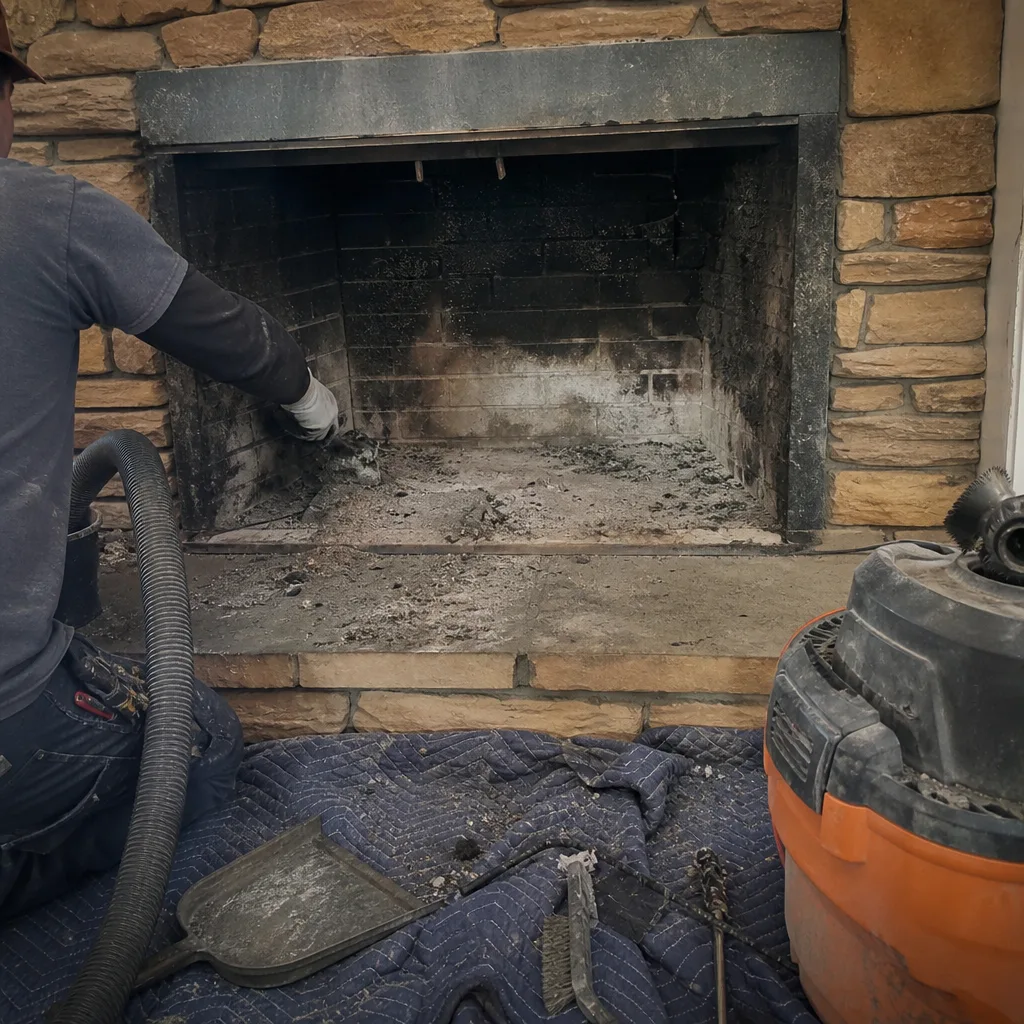
Chimney sweep logs do not sweep chimneys. They loosen some creosote - which then falls where a brush and vacuum still have to collect it.
Chimney Cleaning Warning Signs: A Lake Jeanette Homeowner’s Reference Guide
Most of the alarming things we find inside chimneys around Lake Jeanette were first noticed by the homeowner a year or two earlier and quietly filed under “cosmetic.” A dark streak on the firebox brick. A faint smoky smell in the living room on a mild day. A little white powder on the outside of the stack. None of it looked urgent, so nothing got done, and another heating season went by. That gap between noticing and acting is where real hazards grow. In this guide we walk through the warning signs a Lake Jeanette homeowner can actually see and smell, what each one means in plain language, and how to tell a cosmetic issue from a functional one.
Quick Answer
Chimney cleaning warning signs include a strong smoke smell when no fire is burning, black or glazed creosote inside the firebox and flue, white staining on exterior brick, rust on the damper or firebox metal, cracked or separated firebox masonry, and smoke that rolls into the room instead of going up. Any of these means the chimney should be inspected before the next fire, and some, especially smoke smell with no fire and glazed creosote, should be checked right away.
Styles & brands we work with
- Sweep & inspection
- Caps & crowns
- Flue relining
- Masonry repair
- Gas fireplace service
Table of Contents
- Why a Smoke Smell With No Fire Is the Sign Homeowners Miss
- Reading Creosote: First, Second, and Third Degree Deposits
- What White Staining on Exterior Brick Really Means
- Settling Cracks vs. Structural Separation in the Firebox
- Draft and Smoke Patterns That Point to a Blocked Flue
- A Rusted Damper and What It Says About Moisture
- Lake Jeanette Heating Season: When to Book a Sweep
- A Simple Self-Check You Can Do Before Lighting a Fire
Why a Smoke Smell With No Fire Is the Sign Homeowners Miss
If you smell smoke in a room where no fire is burning, treat it as a chimney problem until a professional proves otherwise. That smell usually means combustion gases or residual creosote odor are moving the wrong way, back into the house, through a compromised liner, a failing firebox seal, or a blocked flue. It is a carbon monoxide question, not a draft question.
A lot of Lake Jeanette homeowners chalk this up to a “cold chimney” or “the house being tight.” Old fireplaces in the neighborhoods around Lake Jeanette do sometimes smoke a little on cold starts, and that is normal. But the smell that shows up hours after the fire is out, or on a warm day with the windows closed, is a different animal. It suggests the flue is not sealing the way it should, so gases that should be pushed up and out are finding their way into the living space.
Carbon monoxide gives you no warning of its own. You can’t smell it, see it, or taste it. The smoke smell you can detect is often traveling the same path as the CO you can’t. That’s why we take it seriously, and why you should too.
What to do if you notice it:
- Stop using the fireplace until it’s been inspected.
- Check that your carbon monoxide alarms are working and placed on the floors where you sleep.
- Open a window if the smell is strong, and step outside if anyone feels dizzy, headachy, or nauseous.
- Book an inspection. Our chimney sweep includes a look at the flue, not just a brushing of the firebox.
We’ve walked into Lake Jeanette homes where a family had been running a fireplace for two seasons with this exact smell and assumed it was normal. It wasn’t. In those cases the fix ranged from a proper cleaning to a reline, and the right call came from looking inside the flue with a camera, not from guessing.
Reading Creosote: First, Second, and Third Degree Deposits
Creosote is the tar-like residue left behind by burning wood, and it builds up in stages. First-degree creosote is a light, sooty dust you can brush away easily. Second-degree is a flaky, crusty layer that needs tools to remove. Third-degree is glazed, hardened, and tar-like, and it is the stage that fuels chimney fires. You can often tell which stage you’re looking at from the firebox opening with a flashlight.
Here is what each stage looks like, so you can compare against what you see:
- First degree: soft, powdery, gray-black soot. Wipes off with a rag. Common after a season of burning well-seasoned wood with good draft.
- Second degree: a flaky, crusty, sometimes shiny layer that clings to the flue walls. You can scrape a bit off with a screwdriver, but it resists brushing. This is the stage we see most often in Lake Jeanette homes that burn occasionally and skip a year or two of cleaning.
- Third degree: thick, glazed, tar-like deposits, often with a varnished look. It smells sharp and acidic even when there’s no fire. This is the stage that catches fire. It needs professional removal, and sometimes a liner assessment, because brushing alone often won’t take it off.
The smell is a useful clue too. First-degree creosote smells like an old campfire. Second-degree has a sharper, more acrid note. Third-degree creosote can leave a pungent, almost chemical odor in the room even when the fireplace is cold.
If you see the glazed stage, do not light a fire. Glazed creosote can ignite from a single hot load of wood, and chimney fires can burn hot enough to crack masonry and breach a liner. Our technicians have up to 10 years of experience reading creosote stages and know when a sweep is enough and when the flue needs closer inspection.
A word on wood: burning unseasoned or “green” wood is the fastest way to move from first-degree to third-degree creosote. Seasoned wood, split and dried, burns cleaner and leaves less behind. If you’re not sure about your wood supply, ask us during an inspection and we’ll tell you what we see.
What White Staining on Exterior Brick Really Means
White staining on exterior brick is called efflorescence, and it’s a moisture signal, not a stain. It forms when water moves through the masonry and evaporates on the surface, leaving mineral salts behind. Some efflorescence is surface-level and harmless. Some is the first visible sign that water is getting into the chimney structure, which is the leading cause of masonry deterioration and, eventually, interior damage.
The distinction that matters is whether the staining is a one-time cosmetic issue or an ongoing moisture problem. A few clues:
- Recurring staining: if it comes back after rain or after a hard freeze, water is still getting in. That points to a chimney cap or crown problem, or to failed flashing where the chimney meets the roof.
- Staining plus spalling: if the brick face is flaking or popping off, moisture is inside the masonry, not just on the surface. That’s a repair, not a cleaning.
- Staining plus interior dampness: if the firebox or smoke chamber feels damp, or you smell a musty odor, the water is getting all the way in.
Lake Jeanette sits in the North Carolina Piedmont, where summers are humid and winters swing between freezing nights and mild days. That freeze-thaw cycle is hard on brick and mortar. Water gets in, freezes, expands, and opens the joint a little wider each winter. What looks like a cosmetic white haze in October can be a loose crown and saturated masonry by March.
This is why we put real weight on chimney cap & crown work. The cap and crown are the two most common points where water gets into a chimney, and addressing them protects everything below. If you see white staining that keeps coming back, that’s the conversation to have before the next rainy season, not after.
Settling Cracks vs. Structural Separation in the Firebox
Not every crack in a firebox is a crisis. Hairline cracks in the firebrick or mortar joints are common and often reflect normal settling or the natural expansion and contraction of a fireplace that gets hot and cold through the seasons. What matters is whether the crack is stable or separating. A stable hairline crack in the firebox mortar is usually a repointing job. A crack that is widening, stair-stepping, or showing a gap between the firebox and the surrounding masonry is a structural concern that needs attention before the next fire.
Here is how to tell them apart:
- Look at the width. A hairline you can barely see is usually settling. A crack wide enough to slide a credit card into, or one that’s clearly grown since last season, is not.
- Check the pattern. Straight, tight cracks along a mortar joint are common. Stair-step cracks that follow the brick pattern, or cracks that radiate from a corner, suggest movement.
- Look for separation. If the firebox brick has pulled away from the surrounding masonry, or the smoke chamber above shows gaps, that’s structural separation and it needs a professional look.
- Watch for material falling. Crumbling mortar, loose brick, or pieces of firebrick on the firebox floor are signs the assembly is failing.
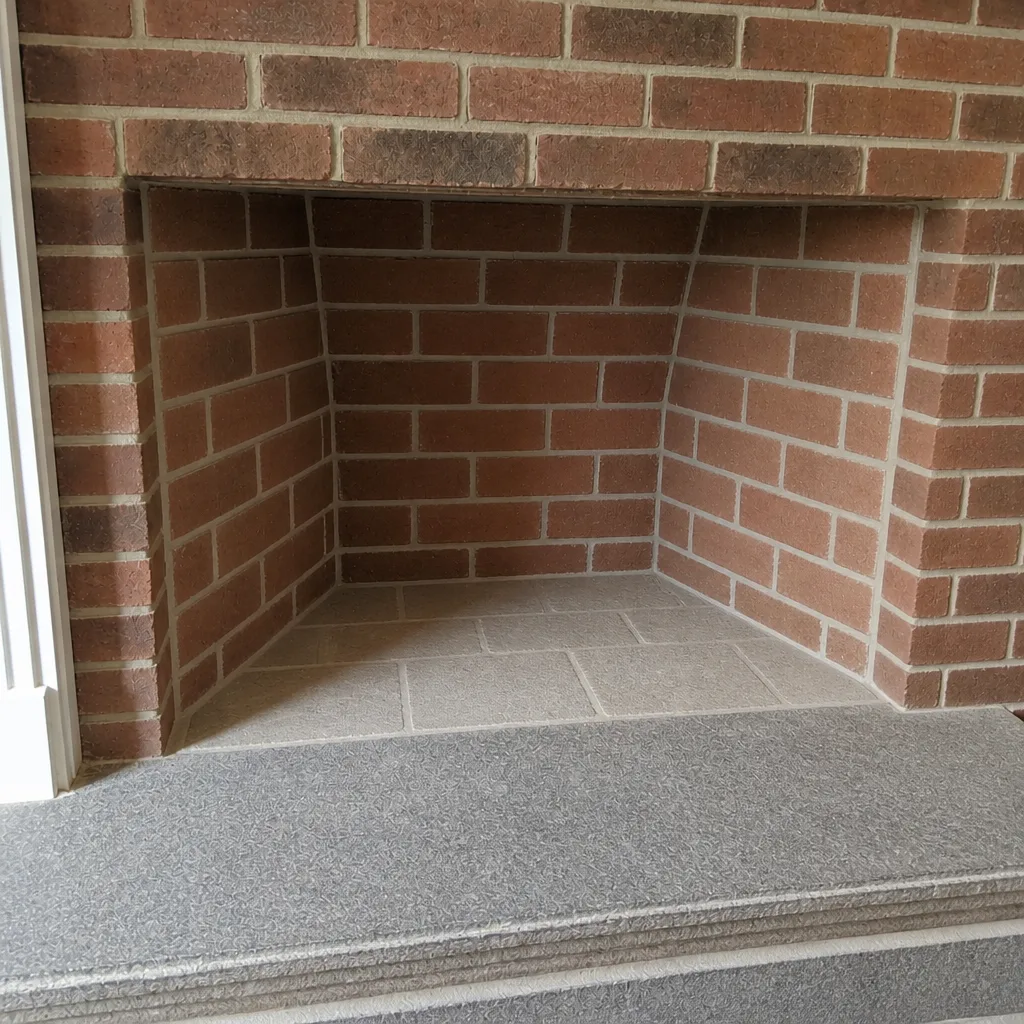
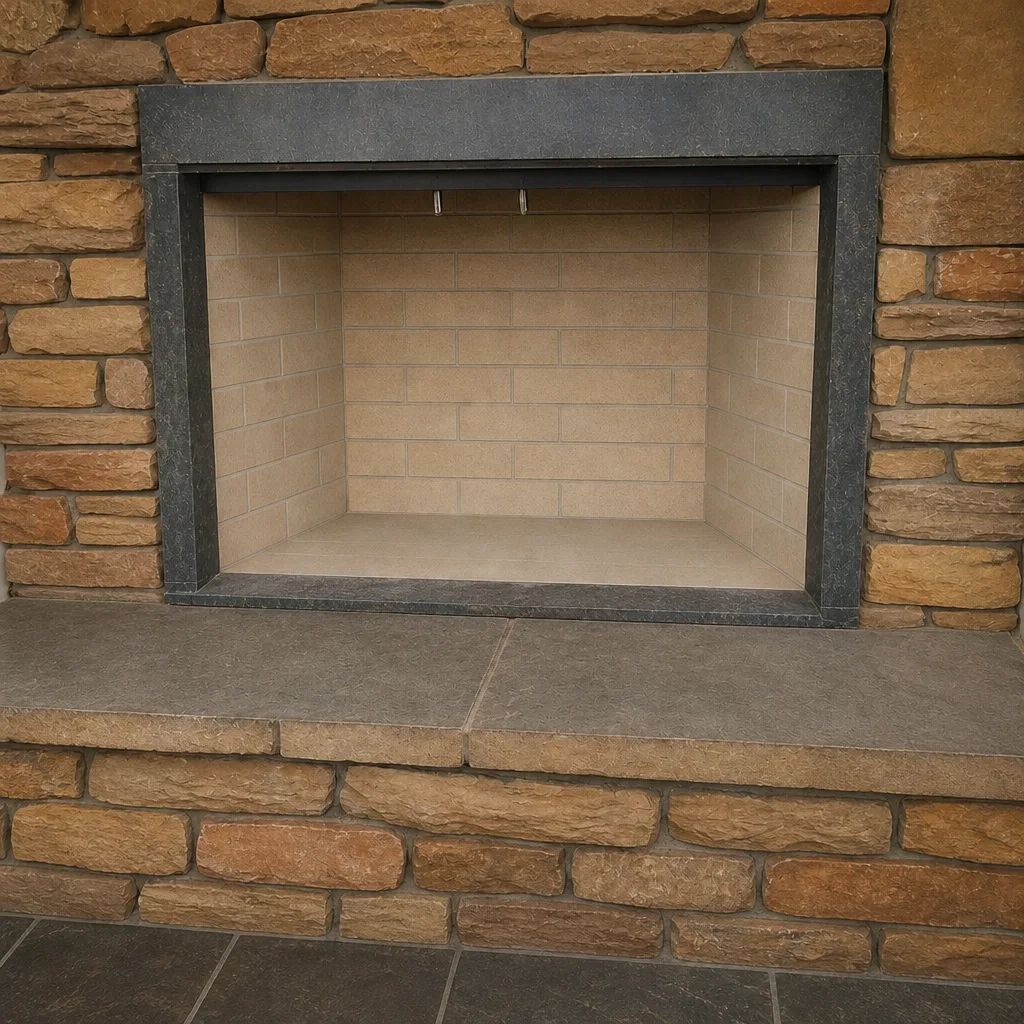
In our experience, the firebox is where Lake Jeanette homeowners most often underestimate a problem. A crack that looks like a cosmetic line can let heat and gases reach the masonry behind it, and that’s where damage compounds. Firebox resurfacing with HeatShield, a professional-grade repair material, is one way to restore a firebox that’s cracked but still structurally sound. It’s a repair, not a patch, and it’s the kind of work most sweep-only companies can’t do.
If you’re not sure whether a crack is settling or separation, the safe move is to stop using the fireplace and get it looked at. Cracks don’t heal on their own, and the cost of a repair now is almost always less than the cost of a rebuild later.
Draft and Smoke Patterns That Point to a Blocked Flue
If smoke rolls into the room instead of going up, or if a fire struggles to catch and stay lit, the flue is likely obstructed. The most common causes are bird nests, collapsed liner sections, and debris, and each produces a slightly different pattern. Catching it before you light a fire is the whole game.
Watch for these patterns:
- Smoke that puffs back at the start of a fire: often a cold flue or a partial blockage. If it happens every time, even with a warm flue, suspect obstruction.
- A fire that won’t draw: if the wood is dry and the damper is open but the fire smolders, the flue may be blocked higher up.
- A smell of soot or bird debris in the firebox: a strong clue that a nest or animal debris is sitting in the flue.
- A sudden change in draft: if the fireplace used to draw well and doesn’t anymore, something has changed in the flue. A collapsed liner section is one possibility.
- Smoke coming from the top of the firebox or the smoke chamber seams: a sign the smoke chamber or damper area is compromised.
Bird nests are the most common obstruction we see. A chimney with no cap is an open invitation, and once a nest is in the flue, it can block the draft and, worse, catch fire. A proper cap closes that door. We fit caps from brands like Olympia Chimney and Copperfield, and they’re the simplest long-term protection you can put on a chimney.
Here’s the sequence we recommend before every heating season:
- Open the damper and look up with a flashlight. If you can’t see daylight, don’t light a fire.
- Check the firebox for debris, nests, or loose material.
- Listen for odd sounds (birds, scratching) in the flue.
- Book an inspection if anything looks off.
The best time to catch a blocked flue is before you need the fireplace. A spring or early-fall sweep gives you a clear flue and a clean start to the season.
A Rusted Damper and What It Says About Moisture
A rusted damper is not just a stiff handle. Rust on the damper, the damper frame, or the metal parts of the firebox means moisture has been sitting in the smoke chamber, and moisture in the smoke chamber usually has a path to the liner. The damper is the canary. It shows you water is getting in, even if the firebox looks fine.
What rust tells us:
- Rust on the damper plate or frame: the smoke chamber has been damp. That moisture often comes from a failing crown, a missing cap, or a cracked flue tile above.
- Rust plus a musty smell: water has been there long enough to support organic growth, which is a sign of a long-standing leak.
- Rust plus a stuck damper: the moisture has been chronic, not a one-time event, and the liner above should be checked.
We see this often in Lake Jeanette homes where the fireplace goes unused for a season or two. The chimney doesn’t get inspected, a small crown crack opens up, water gets in, and by the time the homeowner goes to light the first fire of the year, the damper is stiff and the smoke chamber smells like a basement. Fixing the damper without finding the water source is a temporary repair. The real fix is the cap, the crown, and, if needed, a liner inspection.
A liner that has been compromised by moisture is a carbon monoxide question. A proper liner system, like a DuraFlex stainless liner, is designed to contain combustion gases and keep them inside the flue. If the existing liner is cracked or deteriorating, gases can move into the masonry and into the house. That’s why we treat a rusted damper as a full-system question, not a hardware-store fix.
Lake Jeanette Heating Season: When to Book a Sweep
The best time to book a chimney sweep in Lake Jeanette is late summer or early fall, before the first fire of the season. By then, last winter’s creosote has had a season to reveal itself, and you have time to address any repairs before you need the fireplace. Waiting until the first cold snap means you’re booking on someone else’s schedule, and any repair work bumps into the holidays.
Here’s how we think about the calendar around Lake Jeanette:
- Late summer: book a sweep and inspection. Creosote from last season is stable and easy to read. Any repairs can be scheduled without pressure.
- Early fall: the sweet spot for cap and crown work. Weather is still workable, and the chimney has time to dry out before the first freeze.
- Late fall: last call before the first fire. If anything is found, you still have time to fix it.
- Winter: maintenance and emergency repairs. If the fireplace is in use, we work around it, but it’s better to have found the problem earlier.
One Lake Jeanette-specific factor: our winters swing between mild days and hard freezes. A chimney that looked fine in October can show a new crack in January because the freeze-thaw cycle has been working on the masonry all winter. That’s not a reason to skip a fall inspection. It’s a reason to do one, so you know the baseline before the freezing starts.
If you burned last season and haven’t had the chimney cleaned since, book a sweep before the next fire. If it’s been more than a season, book it now. Our Chimney Sweep Lake Jeanette team can get you on the schedule and give you a straight answer about what we find.
A Simple Self-Check You Can Do Before Lighting a Fire
You don’t need tools or training to do a basic pre-fire check. You just need a flashlight and five minutes. This isn’t a substitute for an annual inspection, but it catches the obvious problems before they become a fire.
Here’s the sequence:
- Look up the flue with the damper open. You should see daylight or a clear path. If you can’t, don’t light a fire.
- Check the firebox for debris. Nests, leaves, loose mortar, crumbling firebrick. Anything that shouldn’t be there is a sign to call.
- Run your hand along the damper. It should move without rust grit or grinding. A stiff or rusty damper means moisture has been present.
- Smell the firebox with the damper closed. A sharp, acrid, or musty odor is a sign of creosote buildup or moisture. A faint campfire smell is normal; a chemical smell is not.
- Check the exterior. Walk outside and look at the chimney from the ground. White staining, loose brick, a missing or damaged cap, or a cracked crown are all signs to book an inspection.
- Test your carbon monoxide alarms. This is the single most important safety step in any home with a fireplace, and it takes a few seconds.
If anything on this list looks wrong, stop and book an inspection. That’s the whole point of a self-check: it’s a filter, not a repair.
Common Mistakes to Avoid
- Treating a smoke smell as a draft problem. A smoke smell in a room with no fire is a combustion gas question, not a comfort question. If you smell it, stop using the fireplace until it’s inspected.
- Burning unseasoned wood to save money. Green wood is the fastest route to glazed creosote. In Lake Jeanette’s humid summers, wood that sat out uncovered is rarely as dry as it looks.
- Skipping a season because “it didn’t look that bad.” Creosote builds in layers, and the second and third stages are the ones that catch fire. Missing a year is how a first-degree deposit becomes a third-degree one.
- Repainting or sealing over white staining. Efflorescence comes back if the moisture source isn’t fixed. Painting over it traps the water and makes the underlying damage worse.
- Ignoring a hairline crack because it’s “just settling.” Some cracks are settling, some are separation. The way to know is to look at the pattern, the width, and whether the firebox brick has pulled away. If you’re not sure, get it looked at.
- Assuming a rusted damper is a hardware-store fix. Rust in the smoke chamber usually means water is getting in from above, and the liner should be checked before the damper is replaced.
- Lighting a fire without checking the flue. A blocked flue from a bird nest or collapsed liner section can send smoke and carbon monoxide into the house. A five-minute flashlight check prevents that.
See the difference
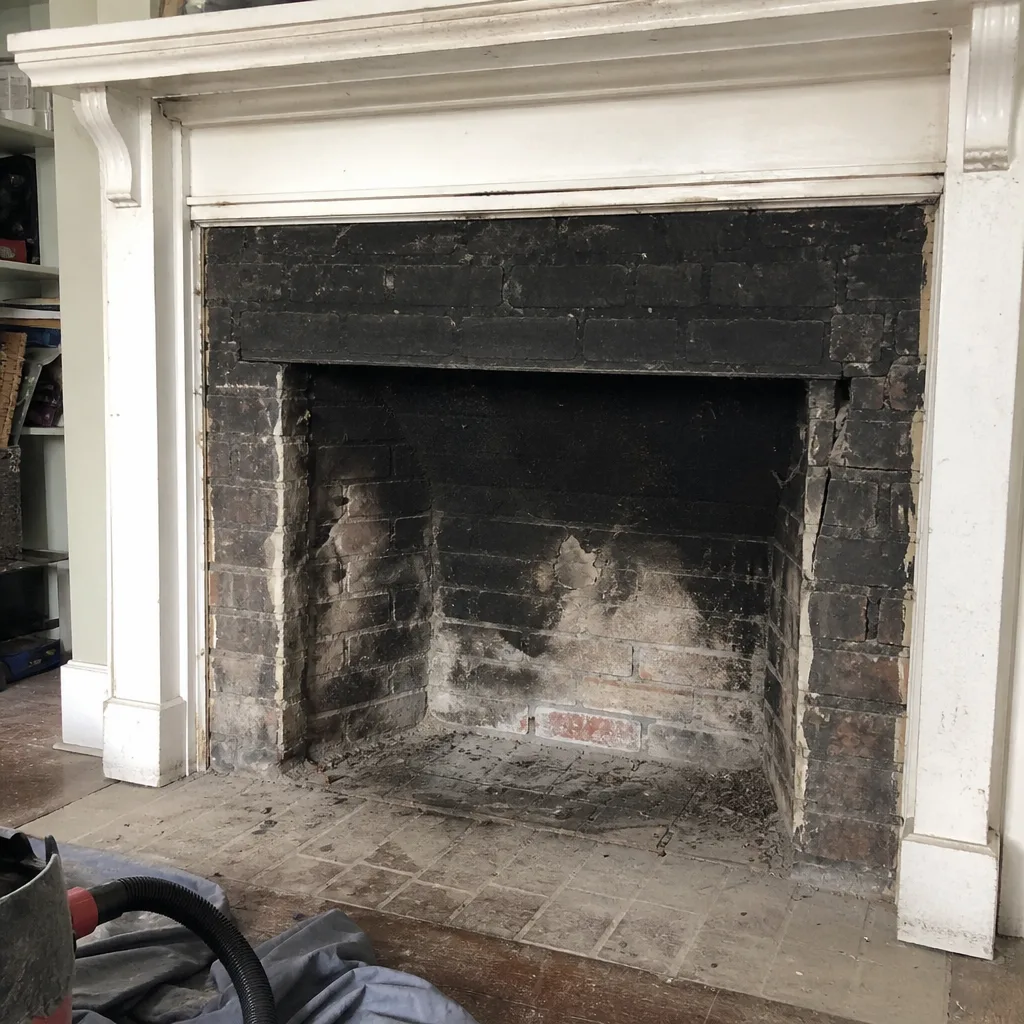 Before
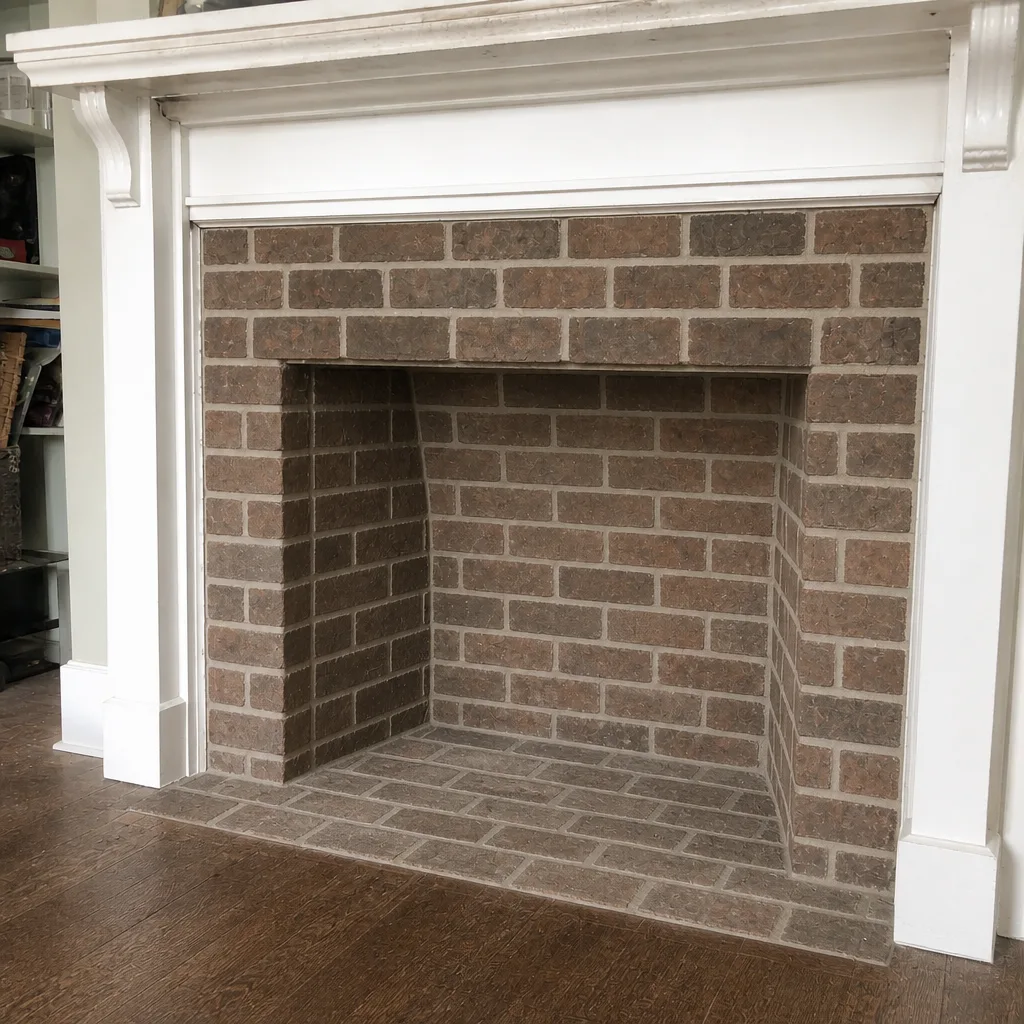 After
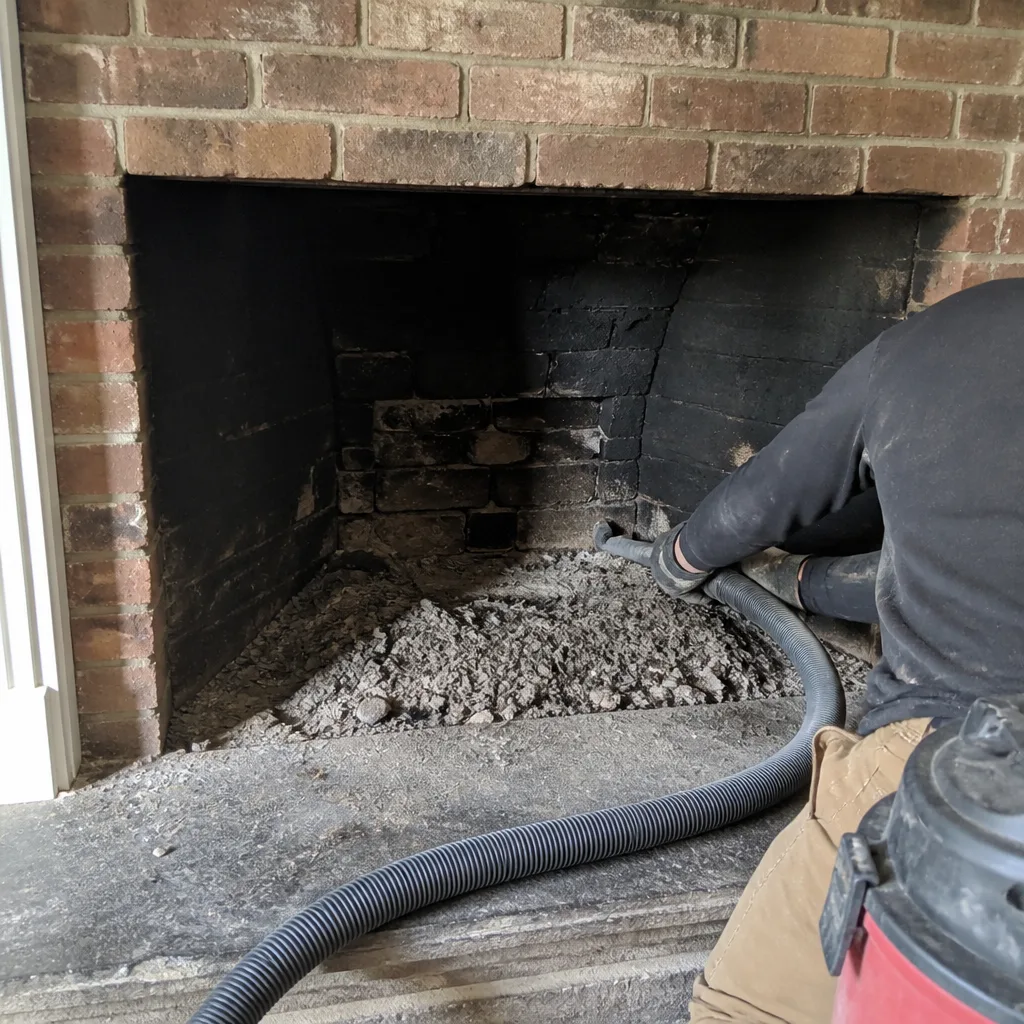 Before
 After
 Before
 After
When to Call a Professional
Call a professional if you notice a smoke smell with no fire, glazed or tar-like creosote in the firebox, white staining that keeps coming back, a firebox crack that’s widening or separating, smoke that rolls into the room, a rusted or stuck damper, or a flue you can’t see daylight through. Any of these is a reason to stop using the fireplace and get an inspection. A cleaning and inspection also makes sense once a year if you burn regularly, and after any chimney fire or chimney-related water event, even if the fire was small. Chimney Sweep Lake Jeanette offers free estimates in Lake Jeanette. Call (877) 492-3599. We answer 24/7. Fast dispatch from 7am to 7pm, Sunday through Friday.
Frequently Asked Questions
The most serious visible sign is glazed, tar-like creosote inside the firebox or flue. That’s third-degree creosote, and it’s the stage that fuels chimney fires. It usually looks shiny and varnished, and it smells sharp even when the fireplace is cold. If you see it, don’t light a fire until it’s been professionally removed. Call (877) 492-3599 for an inspection and a written estimate.
It can be, yes. A smoke smell with no fire usually means combustion gases or creosote odor are reaching the living space through a compromised liner, a failing firebox seal, or a blocked flue. That can be a carbon monoxide risk, not just a comfort issue. Stop using the fireplace and get it inspected before the next fire. Call (877) 492-3599 to book an inspection.
Settling cracks are hairline, stable, and follow the mortar joints. Structural separation shows as a widening gap, a stair-step pattern, or firebox brick that has pulled away from the surrounding masonry, and sometimes loose material on the firebox floor. If a crack has grown since last season or you can slide a coin into it, treat it as structural until a professional says otherwise. Call (877) 492-3599 for an honest look.
Not always. Some efflorescence is surface-level mineral migration and does no harm. But staining that keeps coming back after rain, or that comes with flaking brick or interior dampness, is a sign water is getting into the chimney structure. In Lake Jeanette’s freeze-thaw winters, that’s worth addressing before the next freeze. Call (877) 492-3599 for a free estimate on cap and crown work.
Once a year if you use the fireplace regularly, and more often if you burn a lot of green wood or notice creosote building up quickly. The seasonal timing matters in Lake Jeanette because of the freeze-thaw cycle; a late summer or early fall sweep gives you time to fix anything it turns up. If you’ve skipped a season or two, book a sweep before the next fire. Call (877) 492-3599 for scheduling.
Creosote builds in layers, so a first-degree deposit turns into second-degree, then third-degree, and glazed creosote is the stage that fuels chimney fires. Skipping also lets small problems (a crown crack, a missing cap, a firebox crack) get worse, and those are the repairs that cost more later. The fix now is usually a sweep and inspection. Call (877) 492-3599 for a free estimate and a straight answer about what we find.
The Bottom Line
Most of the chimney problems we see in Lake Jeanette started as something a homeowner noticed and dismissed: a smell, a stain, a hairline crack, a stiff damper. None of them looked urgent. Almost all of them were. The goal here is to help you read those signs correctly and act on the ones that matter. If you take one thing from this guide, make it this: a smoke smell with no fire and glazed creosote are stop-and-call signs, not wait-and-see signs. Everything else on this list is a reason to book an inspection, and a free estimate costs you nothing. We handle the whole system, from sweep to fireplace repair to cap and crown, so you get one answer instead of a relay of subcontractors.
If you’ve noticed any of the signs in this guide, don’t wait for the next heating season. Call (877) 492-3599 for a free estimate. We answer 24/7. Fast dispatch from 7am to 7pm, Sunday through Friday.
Written by the team at Chimney Sweep Lake Jeanette.