
Last updated November 25, 2026
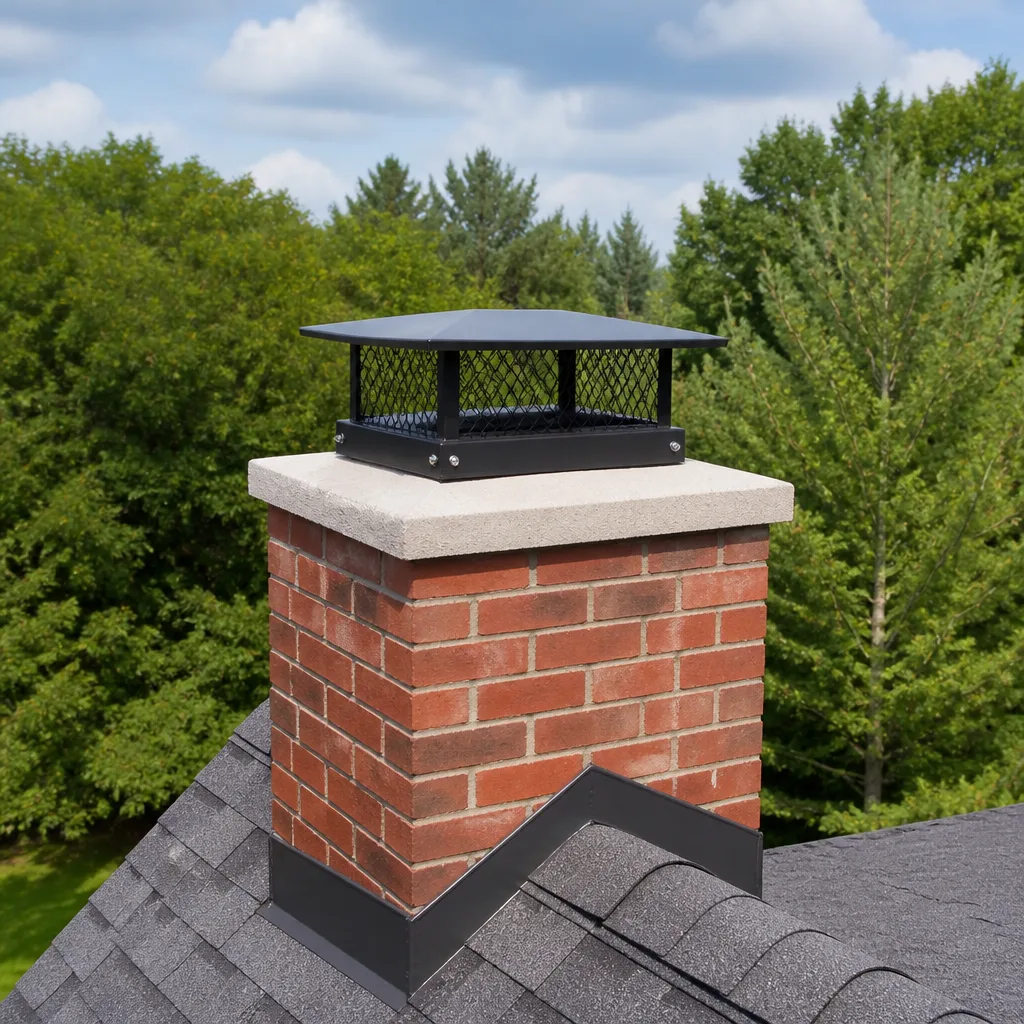 Sweep & inspection
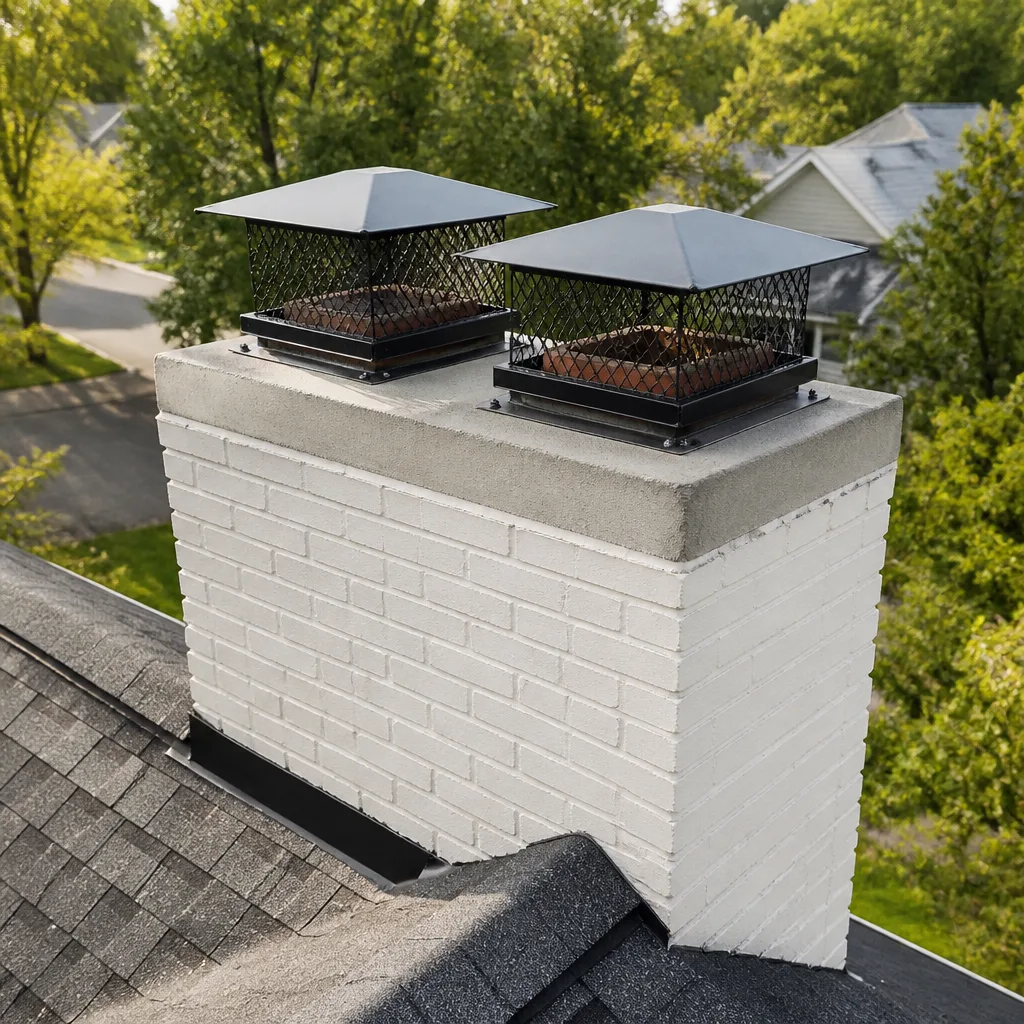 Caps & crowns
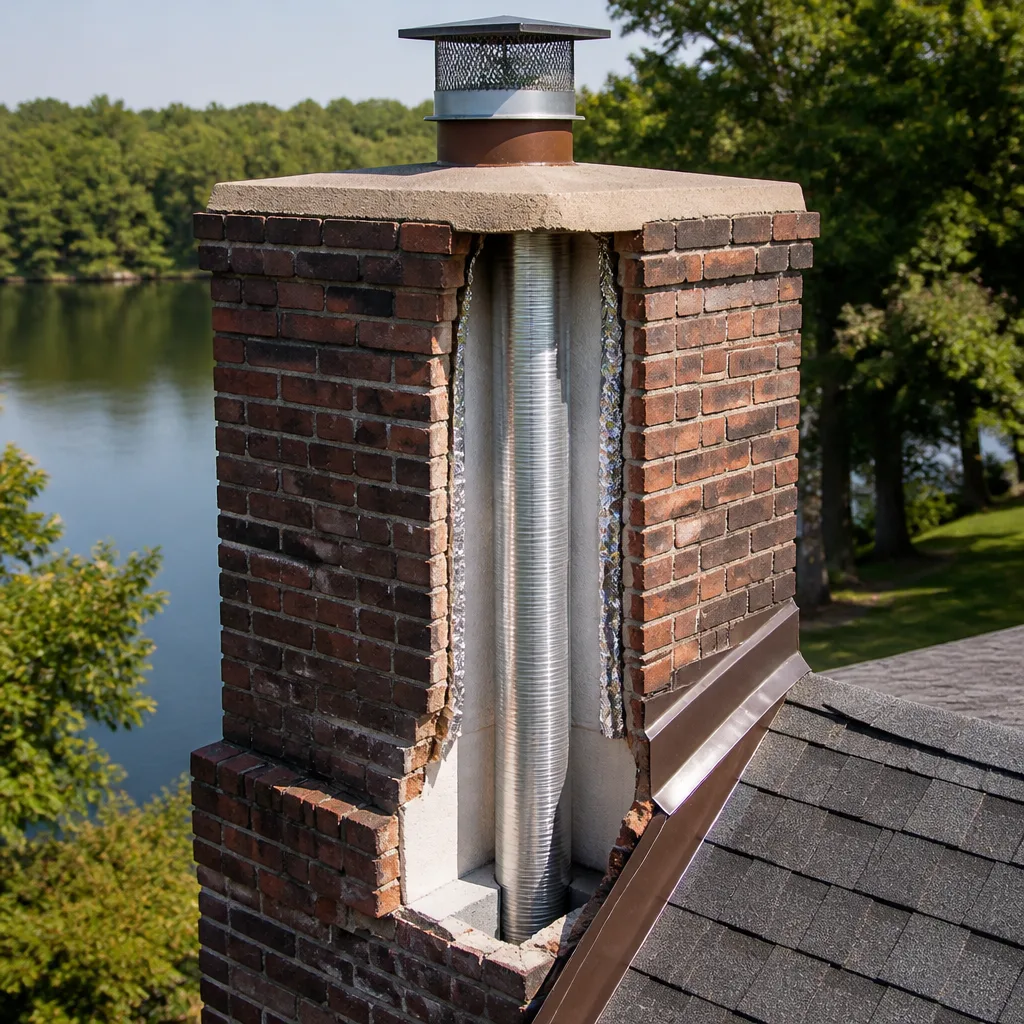 Flue relining
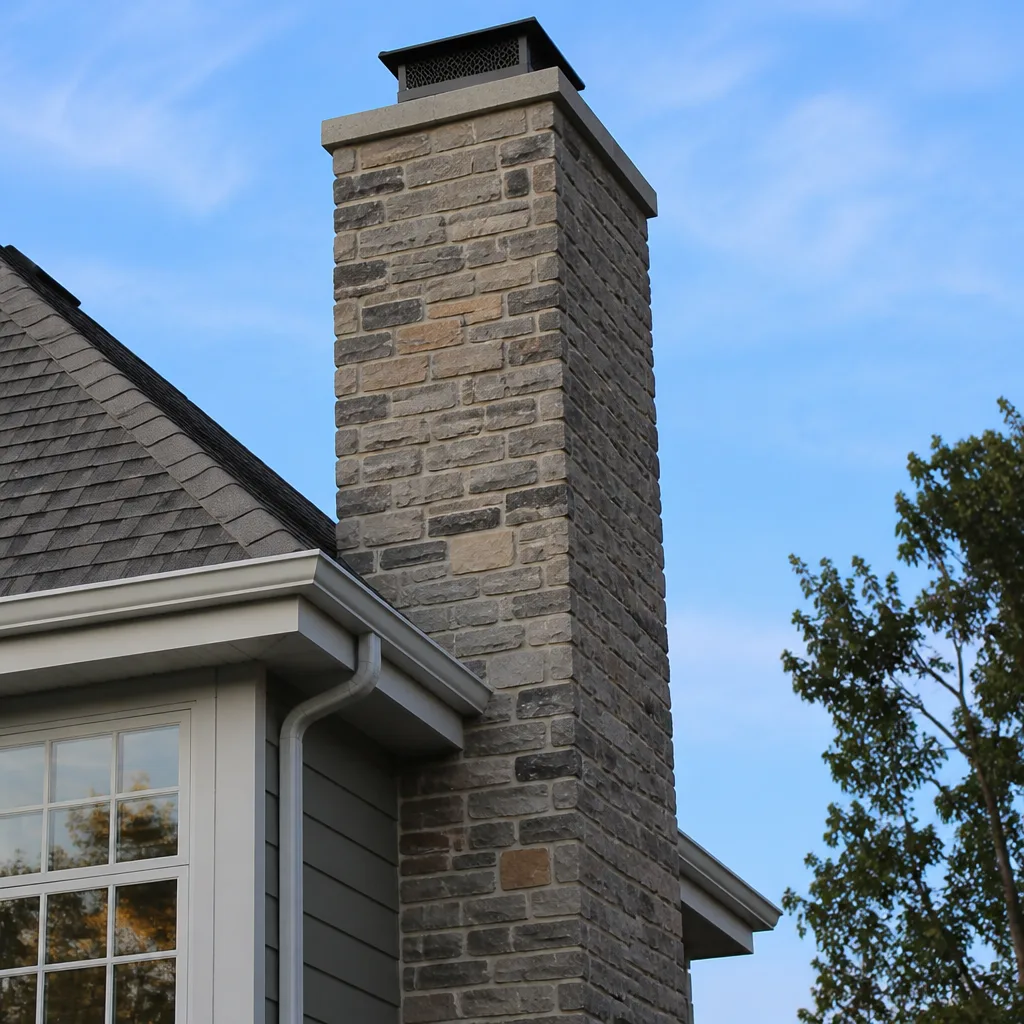 Masonry repair
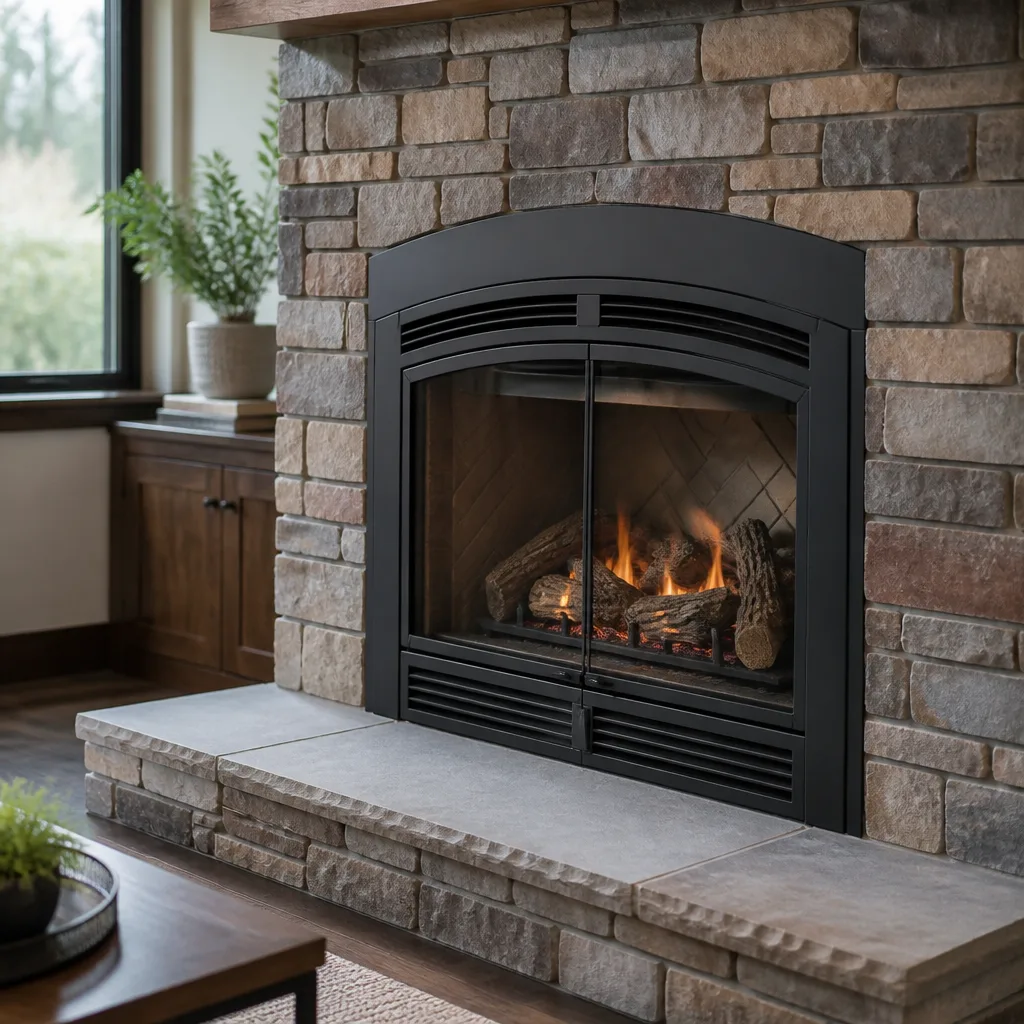 Gas fireplace service
Level 1 sweep and inspection to the NFPA 211 annual standard - flue, crown, cap, and flashing checked and photographed
Chimney sweep logs do not sweep chimneys. They loosen some creosote - which then falls where a brush and vacuum still have to collect it.
How to Hire a Chimney Cleaning Contractor in Lake Jeanette: A Step-by-Step Guide
There is no state licensing requirement for chimney sweeps in North Carolina. That single fact explains most of what goes wrong when homeowners hire someone to clean a chimney in Lake Jeanette. Anyone with a brush, a ladder, and a truck can legally print “chimney cleaning” on a business card, and plenty of them do. The problem isn’t that they’ll leave your flue dirty. The problem is that a cleaning without a real inspection misses the cracked flue tile, the failing crown, or the creosote-glazed section three feet up that no brush can reach and no untrained eye knows to look for.
In this guide, we walk through a vetting process you can use on any contractor before they set foot on your property. You’ll learn what CSIA certification actually verifies, the five questions that separate a specialist from a generalist, what a legitimate service agreement should contain, and how to read a quote that sounds cheap but ends up costing more. If you take one thing away, make it this: you’re not shopping for the lowest price. You’re shopping for the person who will tell you the truth about what’s happening inside your chimney.
Quick Answer
To hire a chimney cleaning contractor in Lake Jeanette, verify CSIA certification, ask whether they carry contractor-grade materials like HeatShield or Gelco for repairs, require a Level 2 camera inspection as part of the service, and insist on a written agreement that lists scope, materials, and warranty terms. The lowest quote almost always reflects the smallest scope. Hire the company that can both clean and repair the full chimney system, not the one that cleans only.
Styles & brands we work with
- Sweep & inspection
- Caps & crowns
- Flue relining
- Masonry repair
- Gas fireplace service
Table of Contents
- Why There’s No License Requirement in North Carolina
- What CSIA Certification Actually Verifies
- The Five Questions That Separate a Specialist from a Generalist
- Red Flags in a Chimney Cleaning Quote
- Why a Dedicated Chimney Company Beats a Generalist
- What a Legitimate Service Agreement Should Include
- What Lake Jeanette Climate Means for Your Chimney
- A Step-by-Step Hiring Process
Why There’s No License Requirement in North Carolina
North Carolina does not license chimney sweeps. There’s no state board, no exam, no continuing education requirement, and no insurance mandate enforced at the state level. What that means for a homeowner in Lake Jeanette is straightforward: the credential you’d normally rely on to filter out unqualified contractors doesn’t exist here. The licensing question is off the table, so you have to replace it with something else.
That “something else” is a combination of voluntary certification, verifiable materials knowledge, and scope. In our experience, the contractors who skip certification also tend to skip the things certification verifies: proper inspection technique, awareness of venting codes, and knowledge of what different flue types require. A sweep who cleans a masonry flue the same way he cleans a factory-built metal flue hasn’t been trained, and the risk shows up later.
There’s a second issue. North Carolina does require permits for certain chimney work, particularly structural repairs and any relining that changes the venting configuration. A generalist who does chimney cleaning as a side service often doesn’t pull permits because he doesn’t know they’re required. A dedicated chimney contractor knows which repairs cross that line in your county and which don’t. When you’re interviewing anyone for chimney work in Lake Jeanette, ask what they pull permits for. An answer like “the inspector signs off on the liner before we close it up” tells you far more than any business card.
The lack of state licensing isn’t a reason to skip the process. It’s a reason to run it more carefully. Certification, references, a written scope, and a camera inspection are now doing work that a license would normally do. Treat them as mandatory, not optional.
What CSIA Certification Actually Verifies
CSIA stands for Chimney Safety Institute of America, and it’s the most widely recognized voluntary credential in this trade. It’s not a state license, but it’s the closest thing the industry has to one. Passing the CSIA exam requires demonstrated knowledge of venting systems, combustion byproducts, inspection standards, and the specific safety issues that cause house fires and carbon monoxide problems. The certification also requires ongoing continuing education to maintain.
What CSIA certification verifies, in plain terms:
- Knowledge of inspection levels. A CSIA-certified sweep understands the difference between a Level 1 (visual, readily accessible), Level 2 (camera inspection of the flue interior), and Level 3 (diagnostic, potentially destructive) inspection, and knows when each is appropriate.
- Understanding of venting codes. Chimneys aren’t interchangeable. Different appliances and fuel types require specific venting configurations, and a certified sweep can identify mismatches that a generalist won’t catch.
- Awareness of the hazard profile. Creosote stages, carbon monoxide pathways, and the failure modes that lead to chimney fires are all part of the exam material.
- A commitment to continued learning. Certification must be renewed, which means the sweep is exposed to updated standards rather than working from habits learned a decade ago.
But CSIA certification is the floor, not the ceiling. It verifies that the person knows what a chimney inspection should look like. It doesn’t verify that they can repair what they find. A CSIA-certified sweep who only cleans will still refer out the relining job and the firebox restoration. That’s why the next step in the vetting process matters: you want to know not just whether the sweep is certified, but what range of work they can complete themselves.
The practical question for a Lake Jeanette homeowner: ask whether the technician performing the work is CSIA-certified (not just the owner, and not just “someone on the team”). If they can’t answer that clearly, they’re not the right call.
The Five Questions That Separate a Specialist from a Generalist
You don’t need a long interview. Five well-chosen questions will tell you almost everything about the caliber of a chimney contractor. Ask them on the phone before you book, and listen carefully to whether the answers are specific or vague.
- What inspection level is included in this service? Every legitimate sweep includes at least a Level 1 visual inspection. If you have a fireplace you use regularly, or a home you recently purchased, you need a Level 2 camera inspection of the flue interior. A contractor who quotes a sweep without mentioning which level is included is quoting an unknown scope.
- Do you carry contractor-grade liner and repair materials? Ask specifically about brands. HeatShield is a resurfacing system used to restore damaged fireboxes and flue interiors; a sweep who works with it can repair a deteriorating smoke chamber rather than just sweeping around the problem. Gelco and Olympia Chimney are professional materials that repair specialists use. A generalist who doesn’t stock anything beyond a brush and a shop vac can’t offer these.
- Do you use a camera on every inspection? The answer should be yes for any Level 2 inspection. If the answer is “only if we think it’s necessary,” push back. The cracks and gaps that matter inside a flue are not visible from the firebox with a flashlight.
- Who does the repair work? If the answer is “we can do the sweep, but the repairs go to someone else,” you’ve identified a gap that will cost you time and money. A single company that diagnoses and completes the repair keeps the responsibility in one place.
- What’s in your written agreement? The answer should mention scope, materials, inspection documentation, and warranty on repair work. A handshake or a text-confirmed appointment isn’t enough when you’re talking about structural work on a house.
The pattern to notice: a specialist answers these questions without hesitation because they’re routine. A generalist gets vague, defers, or gives an answer that reveals they’ve never thought about it. That difference alone will usually tell you which one to hire.
Red Flags in a Chimney Cleaning Quote
Most chimney-cleaning quotes fail on one of four signals. If any of these show up, slow down and ask more questions before you commit.
- No mention of inspection level. A quote that says “chimney sweep: $X” without specifying Level 1 or Level 2 is quoting an unknown service. The scope is what you’re paying for, and it should be written down.
- No mention of camera equipment. Any service beyond a basic check should include a camera inspection of the flue. If the contractor brushes the chimney and calls it clean without a camera, you have no evidence the flue is actually clear or intact.
- A flat rate that seems low for the described scope. If a quote promises sweeping, inspection, and a report at a price that sounds too good, ask what’s actually included. Watch specifically for whether the inspection is real or a five-minute visual with a flashlight.
- Price pressure on the day of service. If a technician arrives, does a quick inspection, and then presents a sudden high-cost repair recommendation with no camera footage to back it up, that’s a red flag. You should see the evidence before you approve any repair, and any reputable contractor will offer to show it to you.
- No written agreement. Verbal scopes are how jobs go sideways. Ask for the scope in writing, including the materials that would be used on any repair.
- Repair work offered on the spot without documentation. A legitimate repair recommendation comes with photos or video and a written scope. Anything else is either guesswork or a sales tactic.
We use a simple standard: nothing gets recommended without camera evidence the homeowner can see for themselves. If a repair is genuinely urgent, we say so. If it can wait until next season, we say that too. A contractor who can’t tell you which category you’re in doesn’t have enough information to be quoting you.
Why a Dedicated Chimney Company Beats a Generalist
The chimney cleaning market in Lake Jeanette includes dedicated chimney specialists, HVAC companies, and fireplace retailers who offer sweeps as an add-on to their main business. On the surface, the difference looks minor, but it isn’t.
A generalist’s skill is in their primary trade. An HVAC technician knows HVAC systems and often offers chimney cleaning because it’s seasonal work that fills a slow period. A fireplace retailer sells stoves, inserts, and rented sweeps because it brings customers into the showroom. Neither of these is a chimney contractor in the sense that matters. The training, materials knowledge, and tooling required to sweep a flue and repair a chimney are the full-time work of a dedicated specialist.
Here’s the practical difference:
- Repair capability. A dedicated chimney contractor can move from sweeping to firebox restoration to relining without a handoff. If you need fireplace repair after the inspection, they can do it. A generalist can’t.
- Material knowledge. HeatShield application, Gelco resurfacing, and DuraFlex liner installation all require training and access to the materials. A generalist who doesn’t stock these brands usually can’t perform the work even when they diagnose it correctly.
- Prevention orientation. A dedicated specialist focuses on chimney cap & crown work and waterproofing because these are the two biggest points of water entry and the source of most long-term deterioration. A generalist is more likely to fix what’s broken today and miss the underlying cause.
- Single-source accountability. When one company diagnoses and completes the repair, there’s no gap where the sweep blames the mason and the mason blames the sweep.
If the fireplace is decorative and never used, a generalist sweep may be adequate. For a home where the fireplace is a regular part of winter, the expertise difference shows up on the safety side, not just the quality side.
What a Legitimate Service Agreement Should Include
A written agreement is where a chimney contractor either demonstrates professionalism or reveals the gaps. Whether you’re booking a simple annual chimney sweep or a structural repair, the agreement should contain the same four categories of information.
- Scope of work. What’s included and what isn’t. “Sweep chimney” isn’t a scope. “Level 2 inspection, brushing of the flue, removal of debris, camera documentation of the flue interior, and a written report of findings” is a scope.
- Materials specified. Any repair work should name the materials being used. If liner work is part of the job, ask which liner system. If firebox restoration is included, ask which resurfacing material. DuraFlex, HeatShield, Gelco, Olympia Chimney, Famco, and Copperfield are the professional-grade brands a specialist will typically name. Hardware-store substitutes are a warning sign.
- Inspection documentation. Before-and-after photos, or a video walkthrough of the flue, should be included in the final report. This is what allows you to understand what changed and what still needs attention.
- Warranty terms on repair work. Any structural repair, relining, or firebox restoration should carry a stated warranty covering both labor and materials. Ask what the warranty period is and what it covers. Get it in writing.
We also recommend asking the contractor to walk you through the report when they finish. A written scope with photos attached is useful even months later, when the next company asks what’s already been done. Any legitimate chimney contractor should expect to provide this without being asked.
What Lake Jeanette Climate Means for Your Chimney
Lake Jeanette’s climate sets up a specific set of chimney issues. Long humid summers and the swings between warm days and cold nights through the burning season mean masonry doesn’t dry out the way it does in a drier climate. Creosote forms the same way it does everywhere, but the moisture cycling places more stress on the crown and flue tile, which is where water intrusion tends to start.
The pattern we see in Lake Jeanette looks like this:
- Crowns that crack earlier than expected. A masonry crown is exposed to sun, rain, and freeze-thaw cycling. When a hairline crack opens, water enters the chimney structure and works its way down. By the time the stain shows up on your ceiling, the damage has been running for a season or more.
- Flue tiles that spall after a chimney fire. A chimney fire, even a small one, can crack flue tiles. Homeowners often don’t know it happened. A camera inspection is what catches it, and a cracked tile is the pathway that lets carbon monoxide and heat reach combustible framing.
- Water damage in the firebox and smoke chamber. Older homes around the lake frequently have fireboxes that have never been resurfaced. When the mortar joints in the firebox start to fail, the firebrick loosens, and the fire isn’t contained the way it’s supposed to be.
The climate here doesn’t require a radically different approach. It does argue for an annual inspection rather than a periodic one. A Lake Jeanette chimney that goes two or three seasons without a look is far more likely to have hidden damage than a chimney in a drier region.
A Step-by-Step Hiring Process
If you want to run the full vetting process end to end, here’s how it flows. This is what to actually do, in order, when you’re hiring chimney cleaning in Lake Jeanette.
- Start with a phone call, not a booking. Ask the five questions from the earlier section. The answers on the phone tell you most of what you need to know before a technician ever arrives.
- Confirm CSIA certification for the technician. Not the owner, not “someone on the team.” The person doing the work.
- Request the scope in writing. Ask for a written agreement that names the inspection level, the equipment used, and the materials that would apply to any repair.
- Book the service on a day you can be home. When the technician arrives, ask to see the camera footage before any repair recommendation.
- Review the report. Confirm you’ve received photos or video of the flue interior. Ask which findings are urgent and which can wait.
- Compare repair quotes against the evidence. If a repair is recommended, the quote should clearly map to what the footage showed. Anything vague should be pushed back on.
- Confirm the warranty before approval. Any repair work approved should include a written warranty on labor and materials.
- Book the next inspection. Annual is standard for a chimney in regular use. Ask for the report to be kept on file so the next visit has a baseline.
None of this takes long. The whole process usually adds twenty minutes to a job that’s already scheduled. What it does is shift the relationship: instead of being told what you need, you’re shown what the chimney is doing and given the tools to make a real decision.
Common Mistakes to Avoid
- Hiring the lowest quote without knowing the scope. The cheapest chimney cleaning in Lake Jeanette often reflects a visual-only inspection and no camera work. Ask what’s included before you compare prices, or you’ll be comparing two different services.
- Skipping the camera inspection because the fireplace “looks fine.” Flue damage, creosote glazing, and cracked tiles are inside the flue, not in the firebox. Visual checks from the hearth don’t catch what the camera does.
- Accepting on-the-spot repairs without seeing the evidence. If a technician recommends relining within the first hour of the visit with no footage attached, ask to see it. A real recommendation has evidence behind it.
- Hiring a generalist because the price was convenient. An HVAC company that offers sweeps as a seasonal add-on won’t have the repair capability of a specialist. When the inspection turns something up, the handoff costs you time and often money.
- Overlooking the cap and crown. Water intrusion is the leading cause of long-term chimney failure, and the cap and crown are where it starts. Homeowners in Lake Jeanette overlook them until the damage is obvious. Include cap and crown review in every inspection.
- Treating the service agreement as paperwork. The written scope is your only protection if a repair goes wrong. Read it. Ask what’s covered by warranty. Get it in writing.
- Waiting until the flue smells like smoke or the fire won’t draw. Those are late signals. A chimney that’s been swept on schedule rarely surprises you. A chimney that goes unmaintained eventually does.
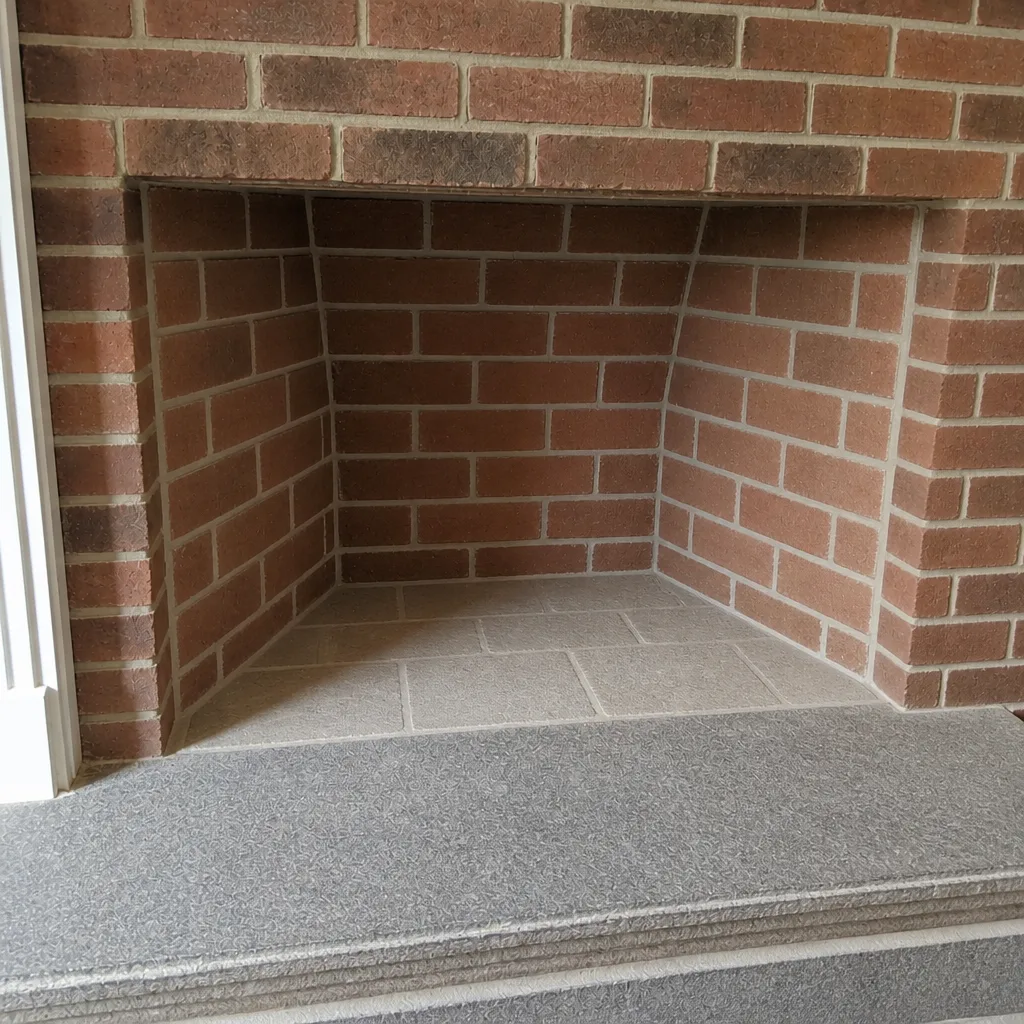
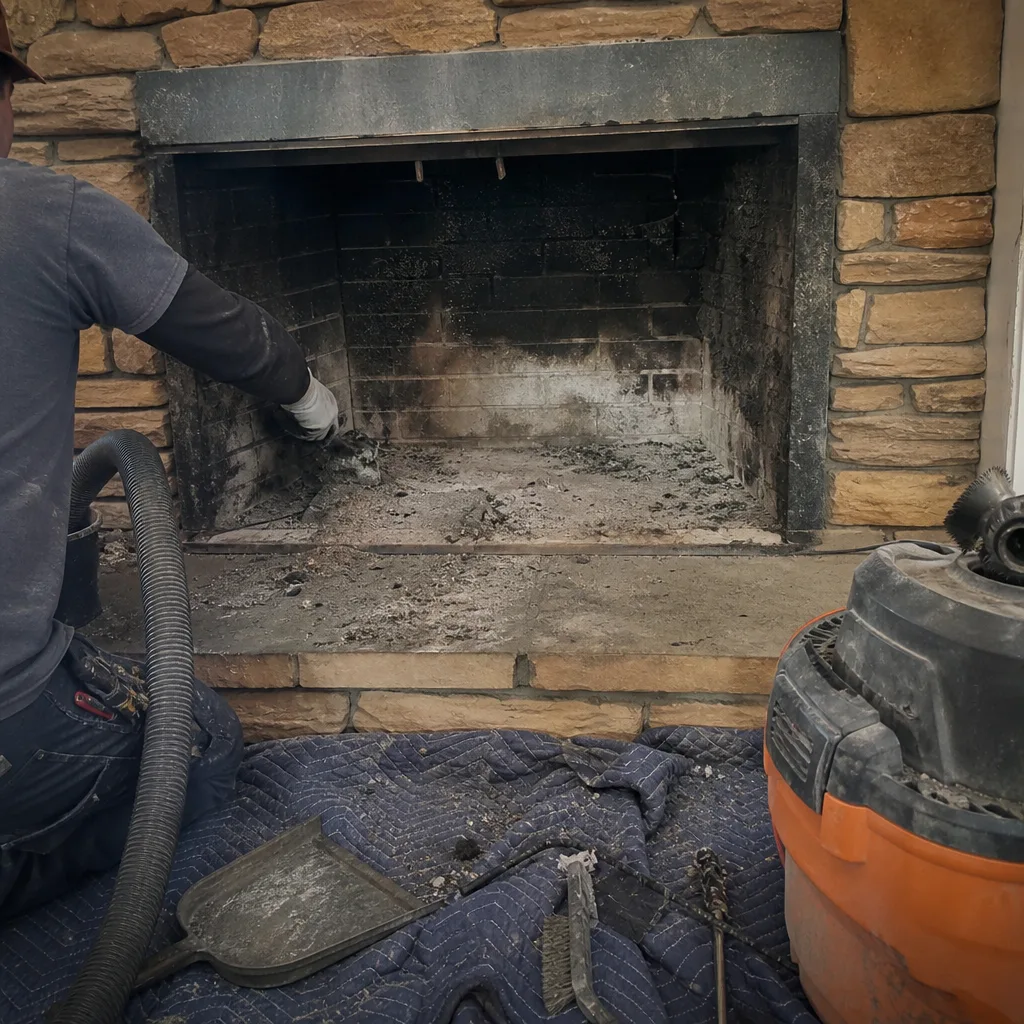
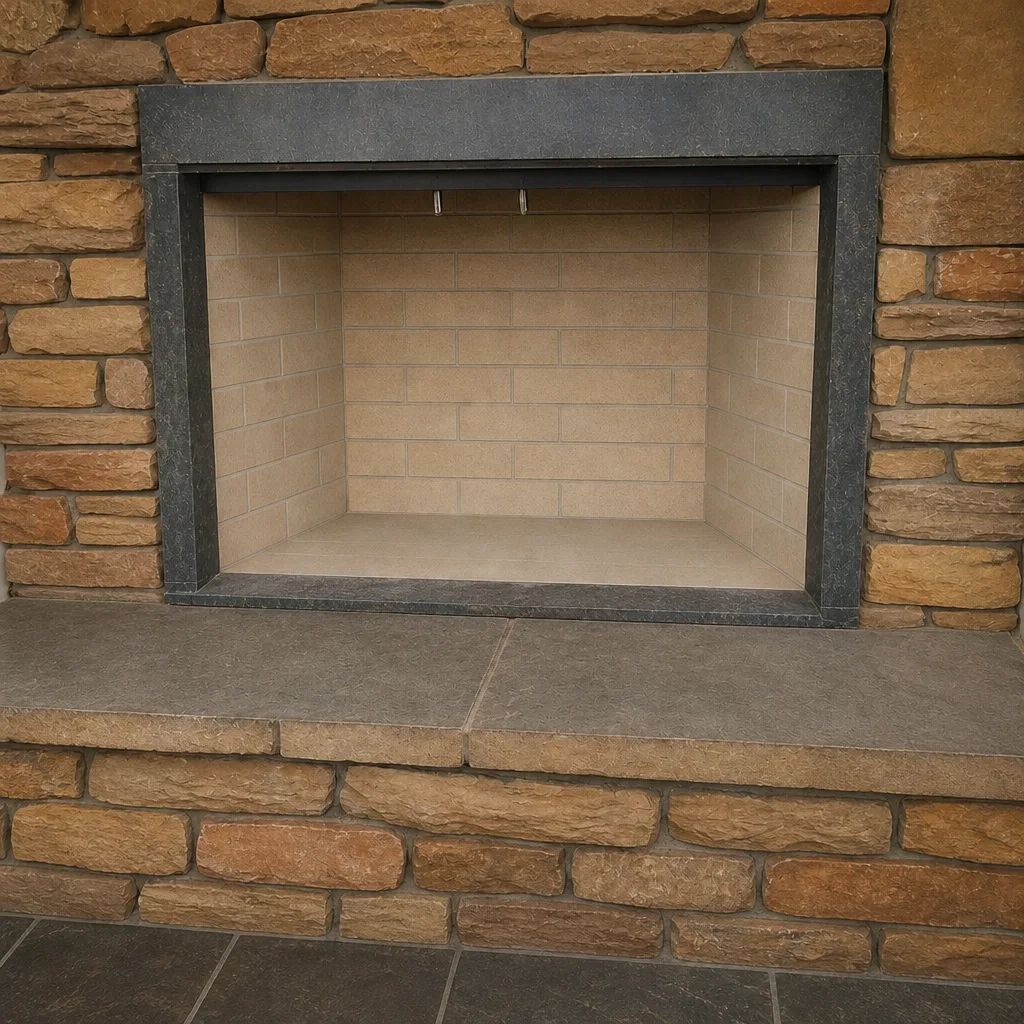
See the difference
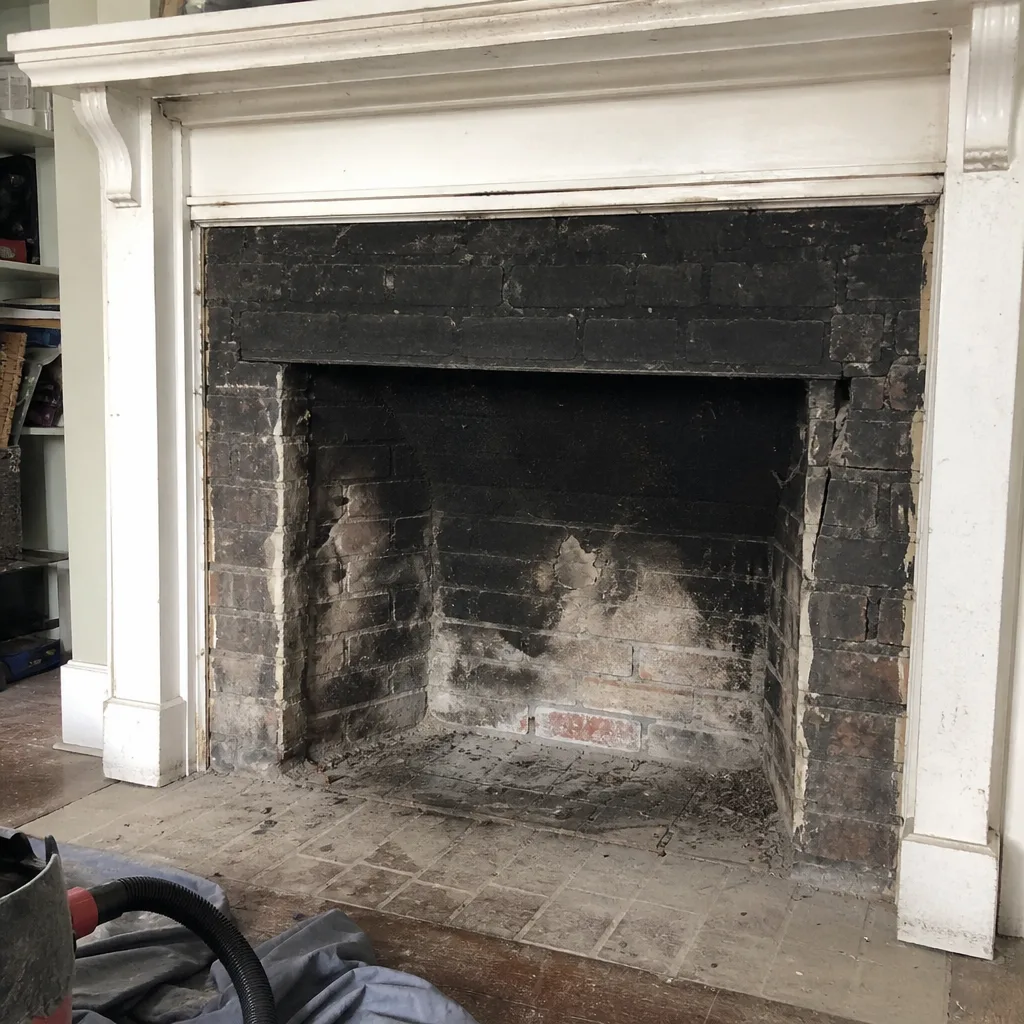 Before
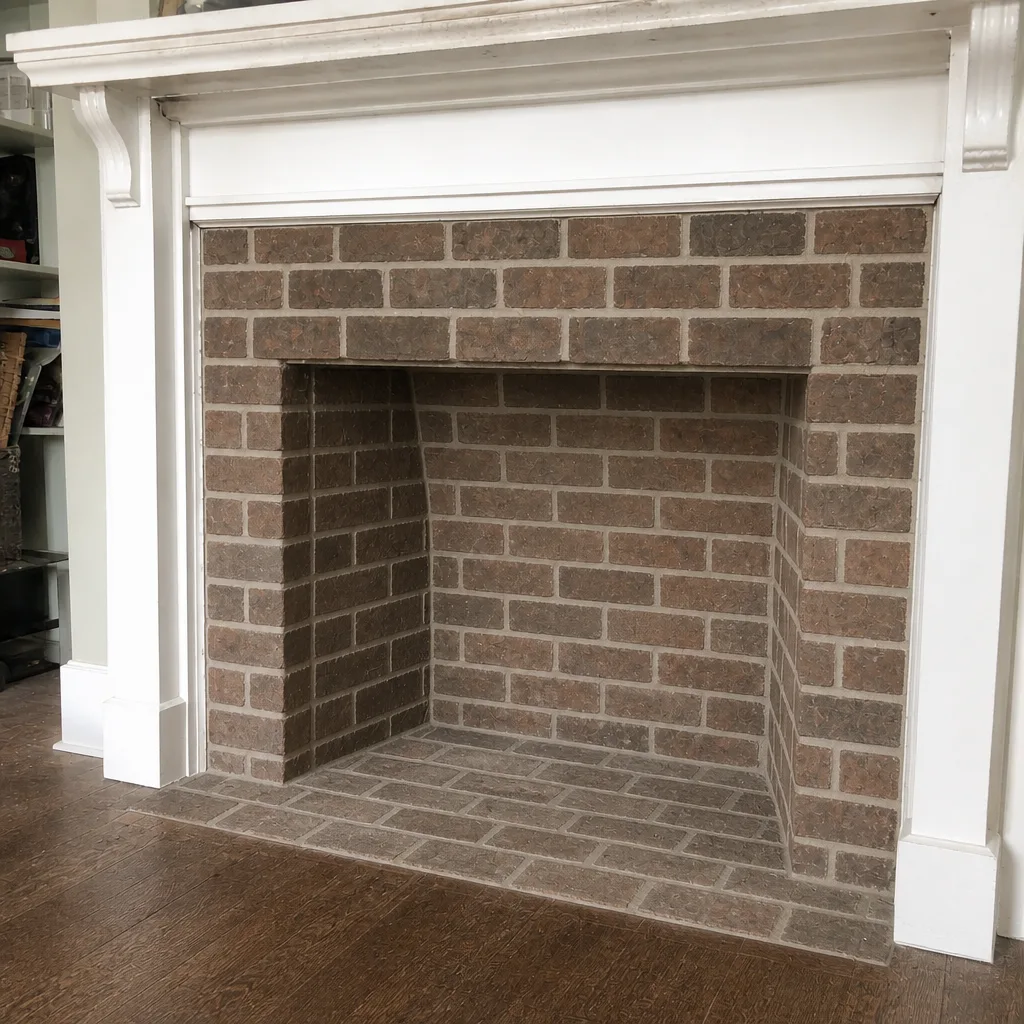 After
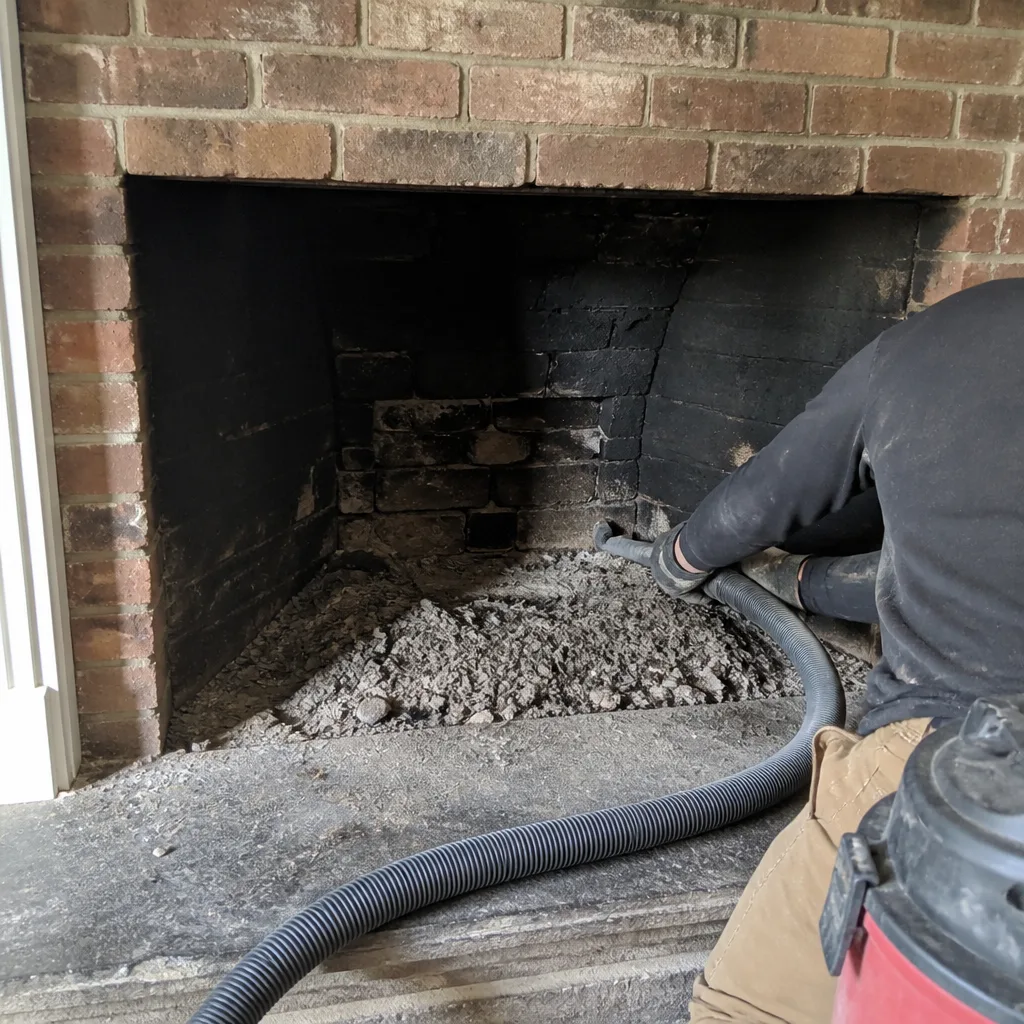 Before
 After
 Before
 After
When to Call a Professional
Many homeowners in Lake Jeanette call us the moment they notice something, which is good. A few scenarios deserve a call sooner than that:
- You’ve just moved into a home with a fireplace and don’t know its service history.
- The fire is burning poorly, smoking into the room, or smells smoky even when it’s not lit.
- You’ve had a chimney fire, even a small one you put out yourself.
- There’s visible staining on the ceiling, chimney exterior, or firebox, or the flue tile is spalling.
- Your CO detector has triggered at any point.
- You’ve been burning regularly for a season without a sweep.
Chimney Sweep Lake Jeanette offers free estimates in Lake Jeanette, and we’re happy to talk through what you’re seeing before you book anything. Call (877) 492-3599. We answer 24/7. Fast dispatch from 7am to 7pm, Sunday through Friday. Estimates are free, and the price is set per job by the written estimate.
Frequently Asked Questions
No – North Carolina doesn’t license chimney sweeps. Instead, ask for CSIA certification, confirm that the technician doing the work holds it, and verify that the contractor carries the contractor-grade materials and inspection equipment the work requires. Certification and scope replace what a license normally does.
Once a year for a fireplace in regular use. The Lake Jeanette climate cycles through humid summers and cold winters, which is hard on the crown and flue tile, so an annual inspection catches small issues before they become structural. A chimney that’s used seasonally should still be inspected annually, even if it’s swept less often.
A Level 1 is a visual check of the readily accessible parts of the chimney and firebox, done with the equipment a sweep brings to a routine cleaning. A Level 2 adds a camera inspection of the flue interior – that’s the one that catches cracked tiles, gaps in the liner, and creosote that a brush can’t reach. Any home with a fireplace in regular use, any newly purchased home, and any home that’s had a chimney fire event needs a Level 2.
Three things: no mention of inspection level, no mention of camera equipment, and a flat rate that doesn’t match the scope you’re being offered. A contractor who brushes and leaves without a camera often misses what matters. Also watch for repair recommendations made without footage – you should see the evidence before approving any work. Call (877) 492-3599 for a free estimate with the scope in writing.
Only if the camera inspection shows the current liner isn’t intact or isn’t suitable for the appliance it’s venting. A cracked clay tile liner, a deteriorating original liner, or a flue that’s not sized correctly for the appliance are the common reasons. We never recommend relining without footage you can review, and when it’s not urgent, we say so.
Creosote builds up in the flue, and the more it accumulates, the higher the risk of a chimney fire. A fire that’s contained to the flue can crack tiles, damage the crown, or compromise the liner without any obvious signs from inside the house. Carbon monoxide pathway problems develop the same way – silently, through cracks you can’t see. Skipping a sweep doesn’t cause an emergency on a timeline, but it does remove the check that would catch one.
We handle the full system – inspection, cleaning, cap and crown work, fireplace repair, relining with professional-grade materials, and structural chimney repair. That’s the reason we can complete a repair ourselves rather than hand it off. You can see the full scope at Chimney Sweep Lake Jeanette.
Contractor-grade brands, including DuraFlex for liner systems, HeatShield for firebox and flue resurfacing, and Gelco, Olympia Chimney, Famco, and Copperfield for other repair work. These are the same materials chimney restoration specialists specify – not hardware-store substitutes. The written scope for any repair will name the material being used.
The Bottom Line
Hiring a chimney cleaning contractor in Lake Jeanette is a vetting process, not a price comparison. North Carolina doesn’t license chimney sweeps, so the filter you’d normally rely on isn’t there. You replace it with CSIA certification, a camera-based inspection, a written scope, and a contractor who can complete repairs themselves with professional-grade materials. The five questions, the four-part service agreement, and the red flags in this guide are the whole process. Run them on any contractor you’re considering. The company that answers clearly and provides evidence for every recommendation is the one you’ll want back next year.
If your fireplace has been through a few seasons without a look, or you’ve just bought a home in Lake Jeanette and don’t know its service history, call (877) 492-3599. We answer 24/7. Fast dispatch from 7am to 7pm, Sunday through Friday. Estimates are free, and every recommendation comes with footage you can review yourself.
Written by the team at Chimney Sweep Lake Jeanette.