
Last updated November 25, 2026
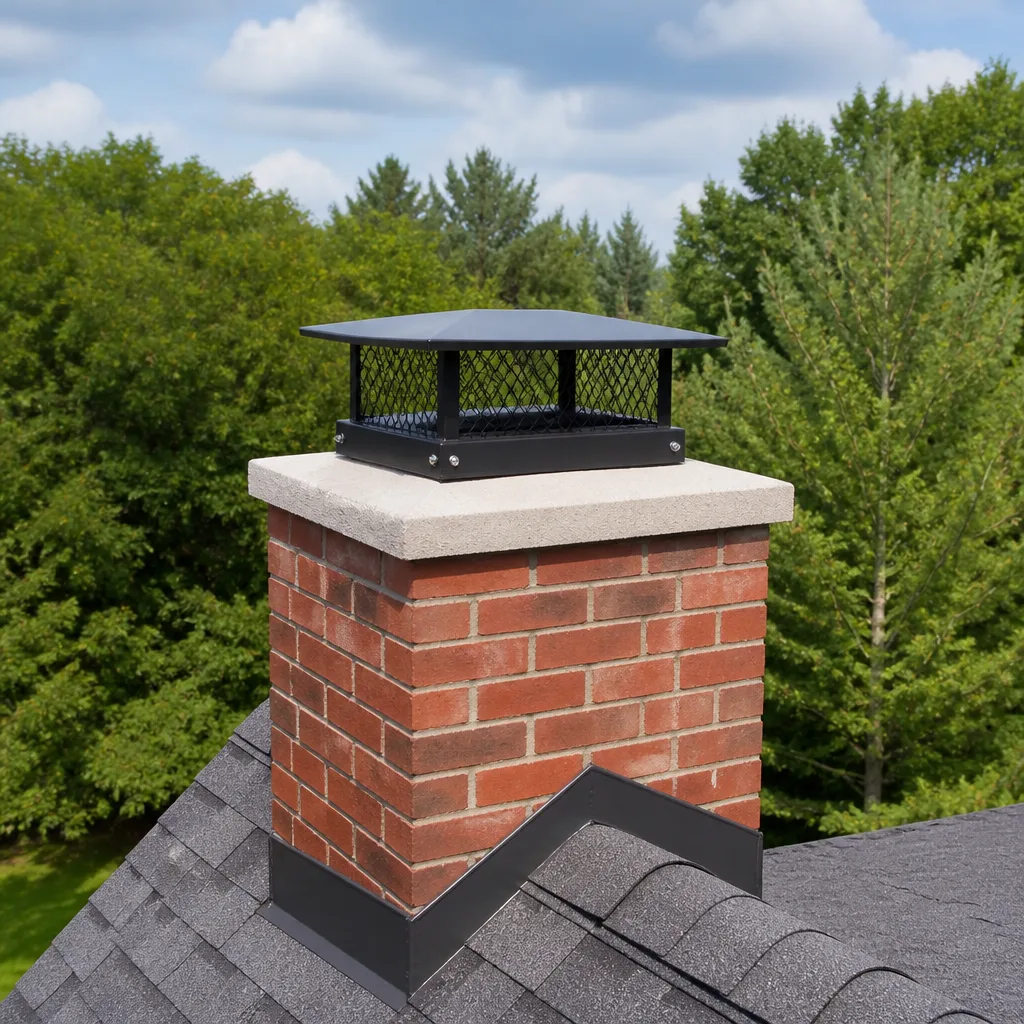 Sweep & inspection
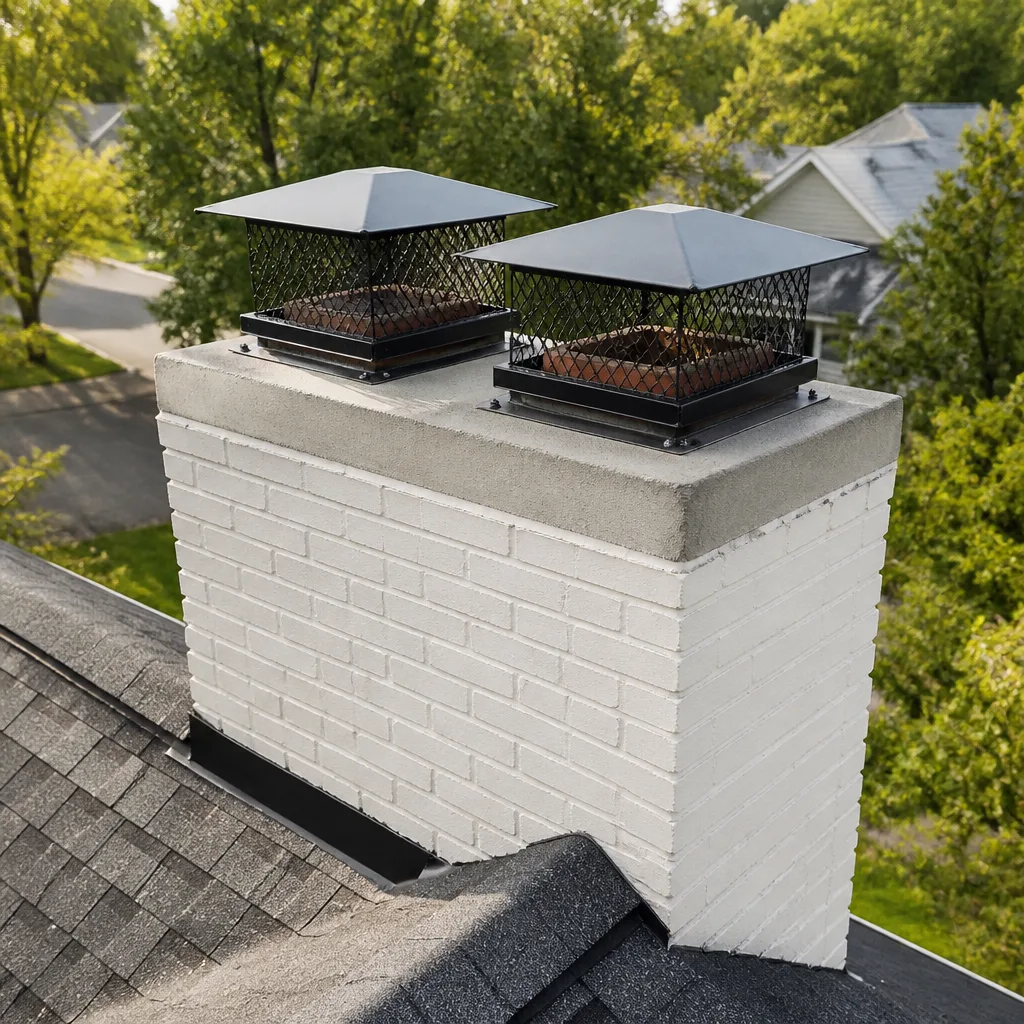 Caps & crowns
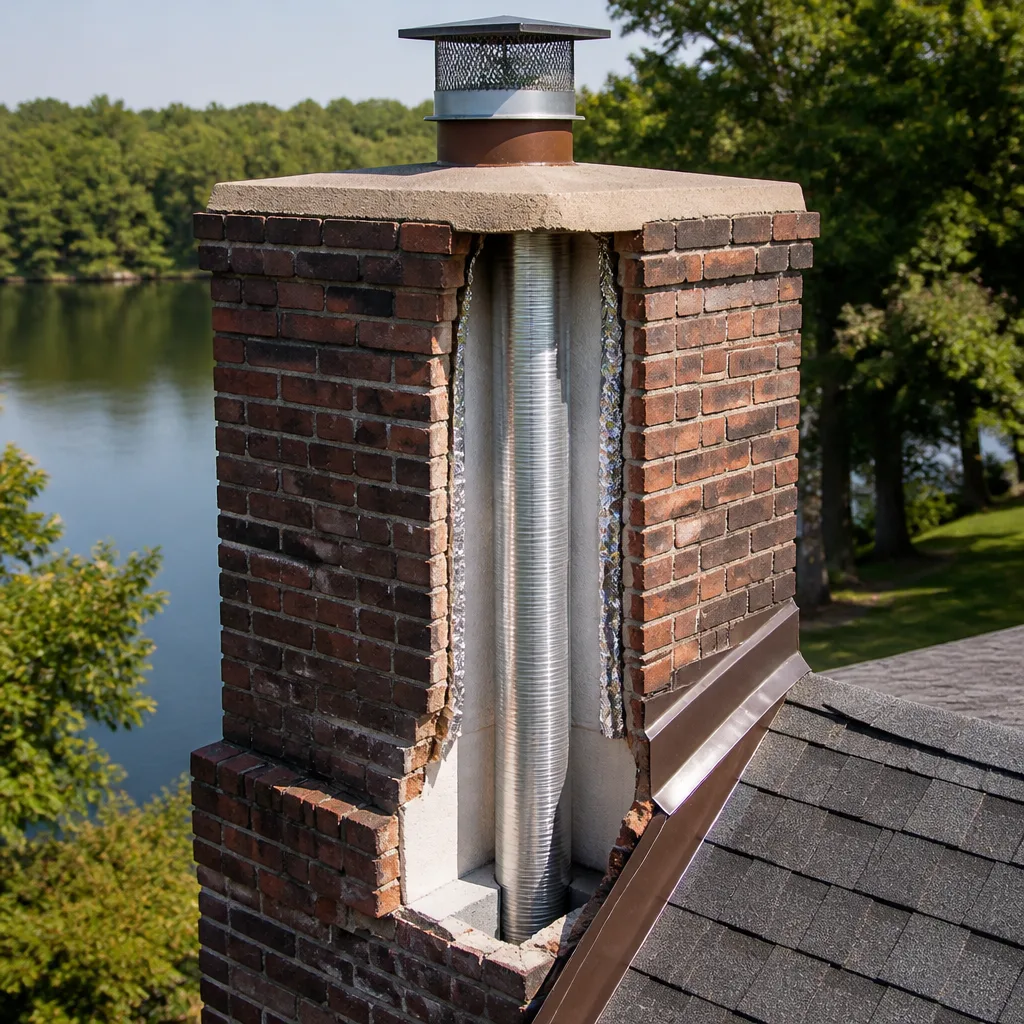 Flue relining
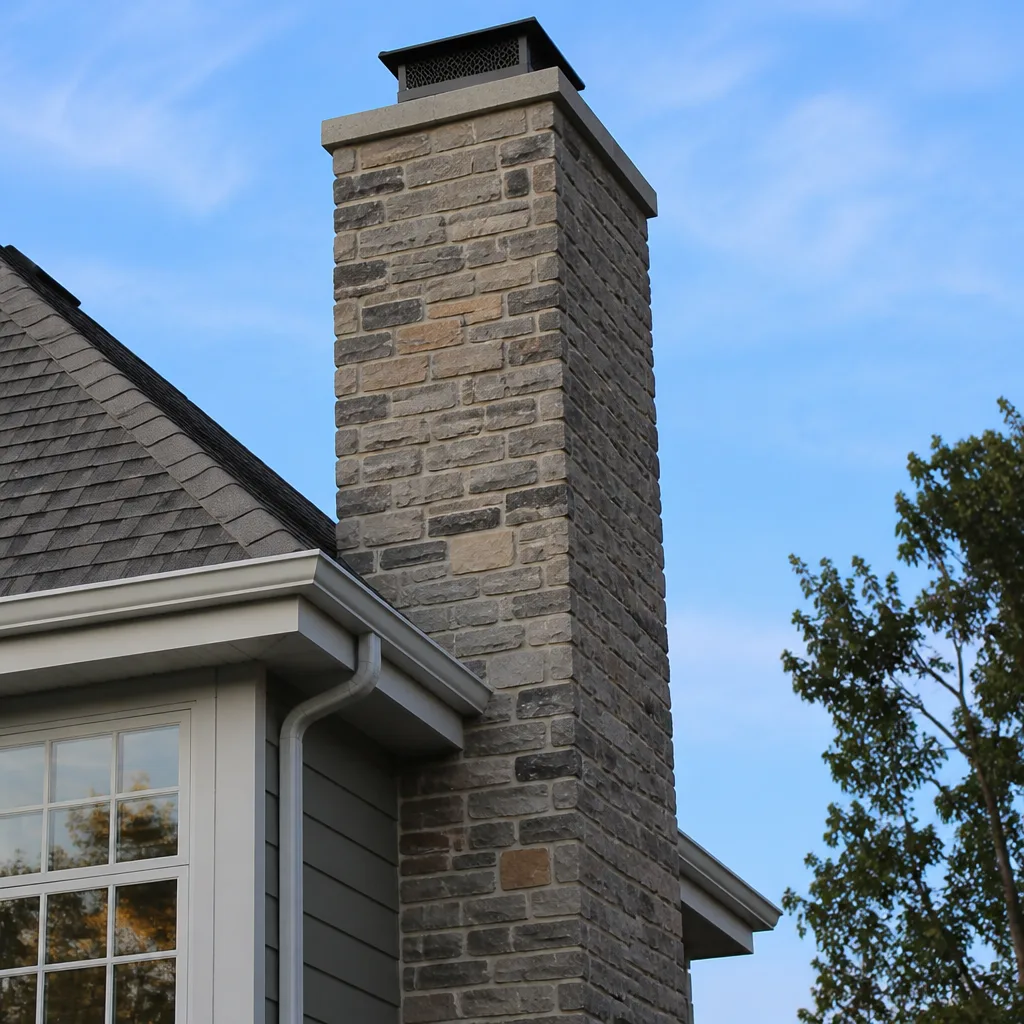 Masonry repair
 Gas fireplace service
Level 1 sweep and inspection to the NFPA 211 annual standard - flue, crown, cap, and flashing checked and photographed
Chimney sweep logs do not sweep chimneys. They loosen some creosote - which then falls where a brush and vacuum still have to collect it.
Chimney Sweep Maintenance Checklist for Lake Jeanette Homeowners
Most homeowners assume the flue is where chimney problems start. In our experience across Lake Jeanette, the opposite is usually true. The crown, the flashing, and the damper seal fail first, quietly, and none of them sit inside the flue where anyone thinks to look. A chimney can pass a visual glance from the driveway and still be taking on water at the crown or leaking air past a warped damper. What follows is a working checklist: what to check in each season, what you can safely assess yourself, what needs a trained technician, and how to keep dated records so a sweep can tell a new crack from an old one. This guide is built specifically for Lake Jeanette homes and the way our freeze-thaw winters treat brick.
Quick Answer
A chimney maintenance checklist for Lake Jeanette homeowners covers three layers: ground-level visual checks you can do yourself (crown, flashing, cap, exterior brick), firebox checks with no tools (damper operation, staining, creosote buildup), and a professional sweep and inspection at least once a year. The order matters. Check the crown, flashing, and damper seal first, because those are the components most likely to fail without any visible sign inside the firebox.
Styles & brands we work with
- Sweep & inspection
- Caps & crowns
- Flue relining
- Masonry repair
- Gas fireplace service
Table of Contents
- Why a Checklist Beats a Once-a-Year Sweep
- Spring Checklist: After Heating Season Ends
- Summer Checklist: Before Fall Burn Prep
- Fall Checklist: Before the First Fire
- What Homeowners Can Check vs. What Needs a Professional
- How to Log and Date Your Observations
- Components That Fail First on Lake Jeanette Chimneys
- Maintenance Tasks You Can Do Safely
- Common Mistakes to Avoid
- When to Call a Professional
Why a Checklist Beats a Once-a-Year Sweep
A professional chimney sweep removes creosote and confirms the flue is clear. That’s essential, and it’s not the same thing as tracking the condition of the whole chimney over time. A clean chimney and a safe chimney aren’t always the same thing. A flue can be swept spotless while the crown above it has been absorbing water all winter, or while the flashing behind the chimney has started to pull away from the roof.
The difference between a chimney that lasts and one that costs thousands to repair usually comes down to how early a small problem gets noticed. A hairline crack in a masonry crown looks like nothing in October. By the following spring, after a Lake Jeanette freeze-thaw cycle or two, that same crack has widened, water has worked into the brick below, and a $150 crown repair has become a rebuild. The checklist exists to close that gap between professional visits.
We structure the year in three passes: spring, summer, and fall. Each pass catches a different kind of deterioration, because the chimney is doing something different in each season. Spring is about assessing damage from the winter. Summer is about preparing the system before it goes back into use. Fall is the last clear window to confirm everything is ready before you light the first fire. Skip any one of them and you can miss a failure that the other two wouldn’t expose.
One more reason the checklist matters: the components that fail first are usually the ones you can’t see from inside the house. The crown, the flashing, and the damper seal sit outside the flue or above the firebox. Any annual routine that stays focused on the flue alone will miss them. If your maintenance plan has been “sweep once a year and hope for the best,” this guide is the rest of the picture.
Spring Checklist: After Heating Season Ends
Spring is the assessment season. You aren’t preparing the chimney for anything. You’re confirming what the winter did to it, while the evidence is still fresh and easy to read. Start on the ground, looking up.
- Walk the exterior perimeter from the ground. Note any new staining on the chimney’s exterior brick, more than you remember from last fall. Dark streaks on the upper exterior often mean water is getting past the crown or cap.
- Look at the crown. The crown is the concrete or masonry slab on top of the chimney. From the ground with binoculars, look for cracks, chips along the edge, or a crown that slopes inward rather than away. Water pooling on a flat or inward-sloping crown is a clear warning.
- Check the flashing line against the roof. Flashing is the metal where the chimney meets the roof. Look for lifted edges, rusted sections, or a gap between the flashing and the shingles.
- Inspect the cap. A functioning cap keeps rain, snow, and animals out of the flue. Confirm it’s still attached and no mesh is torn or missing.
- Check the firebox floor and damper when the fireplace is cold. Look for any staining, dusting of soot in new places, or a damper that feels stiff or doesn’t seat flat.
- Write down what you see. Date every entry. More on logging below.
Spring is also when a technician should come out for the annual inspection and sweep, because the heating season just ended and the creosote load is at its highest. Our technicians have up to 10 years of experience reading what the winter leaves behind, and the spring inspection gives you a baseline: what’s the condition today, before summer’s weather adds or masks anything. If you’ve deferred maintenance for a couple of seasons, spring is the reason to catch up.
Summer Checklist: Before Fall Burn Prep
Summer is the quiet season for the chimney, and that makes it the easiest season to forget. Don’t. Summer in Lake Jeanette brings heavy rain and humidity, which work on the same components that freeze-thaw cycles stress in winter. Water intrusion that starts in summer is what cracks in winter.
What to check in summer:
- Rain intrusion: After a heavy rain, check the firebox for any moisture, damp smell, or dark staining at the base. Any sign of wetness means water is getting in somewhere, usually from the crown or the cap.
- Damper seal: Close the damper all the way. If you can see daylight around the edges, or feel warm air coming in on a hot day, the seal is failing. That same gap lets conditioned air (or smoke, during a fire) move when it shouldn’t.
- Exterior joints: Run your eyes along the mortar lines on the chimney’s exterior. Soft or crumbling mortar joints are a sign to note; the repair is a professional job, but the observation is yours to make.
- Flue cap screen: Confirm the mesh is intact. Missing mesh means birds and animals can nest in the flue during the summer, which blocks the flue and becomes a serious problem when you light the first fire.
- Firebox interior: Look for white or gray efflorescence (a chalky film) on the firebox brick, which usually means moisture is moving through. Note it.
Summer is also when a chimney cap & crown repair is easiest to schedule and least disruptive. That’s not a sales point, just a practical one: if a crown crack or a loose cap gets addressed now, it isn’t waiting on top of a chimney full of creosote come October. The energy you spend now also means fewer emergencies once the Chimney Sweep Lake Jeanette season starts up.
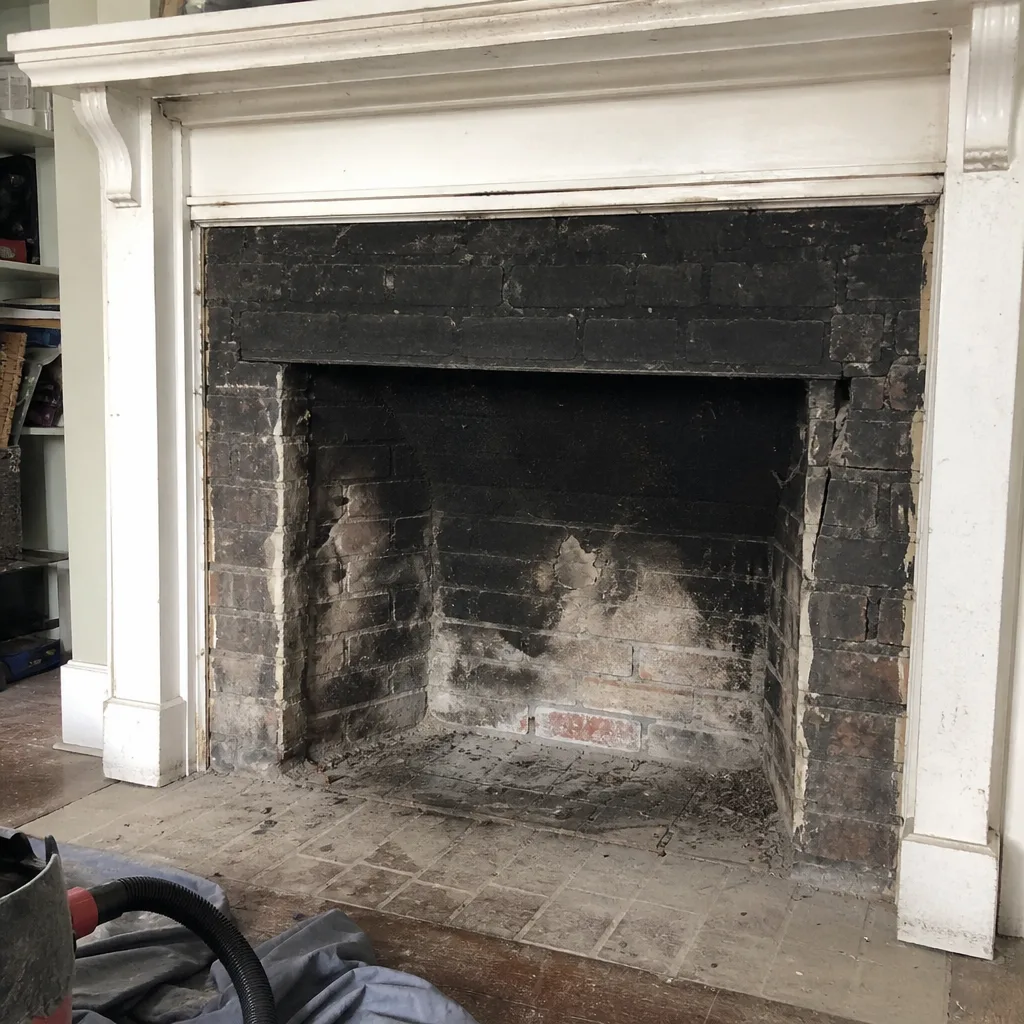
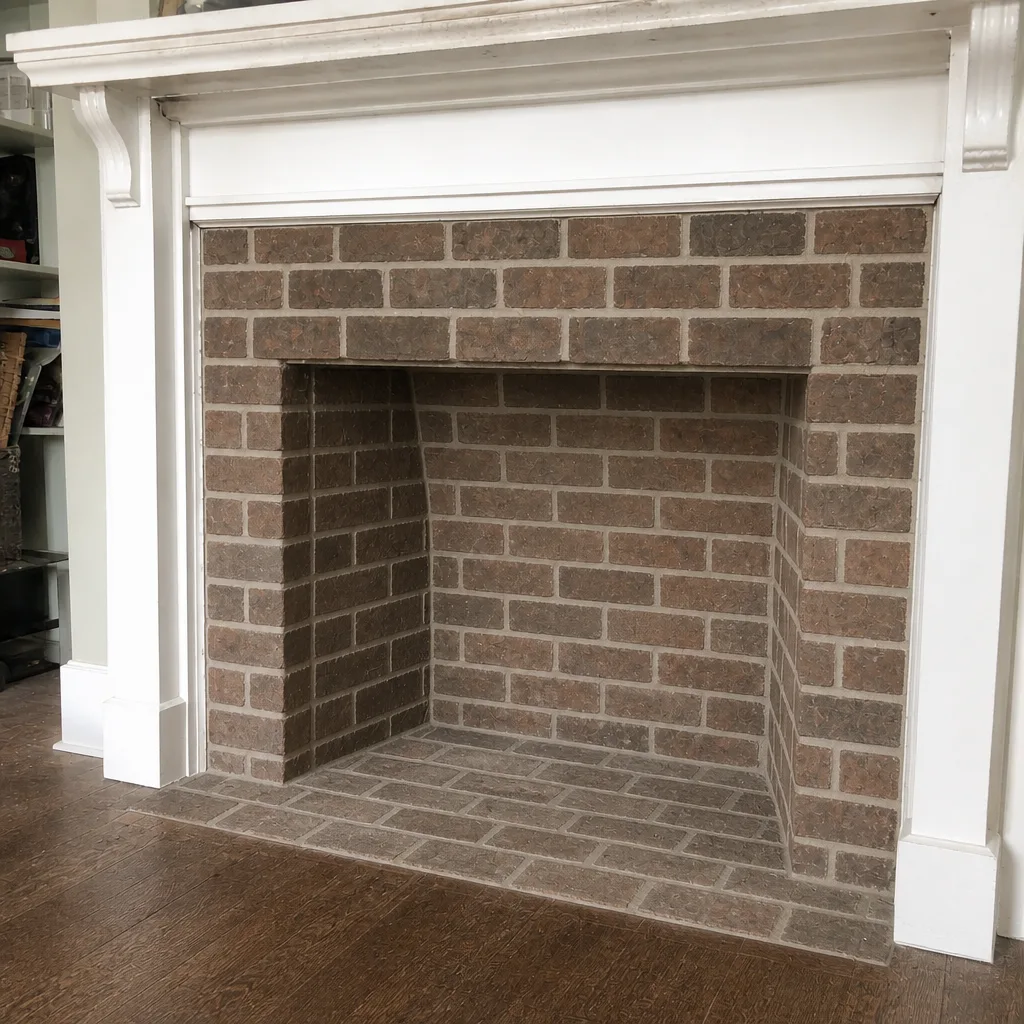
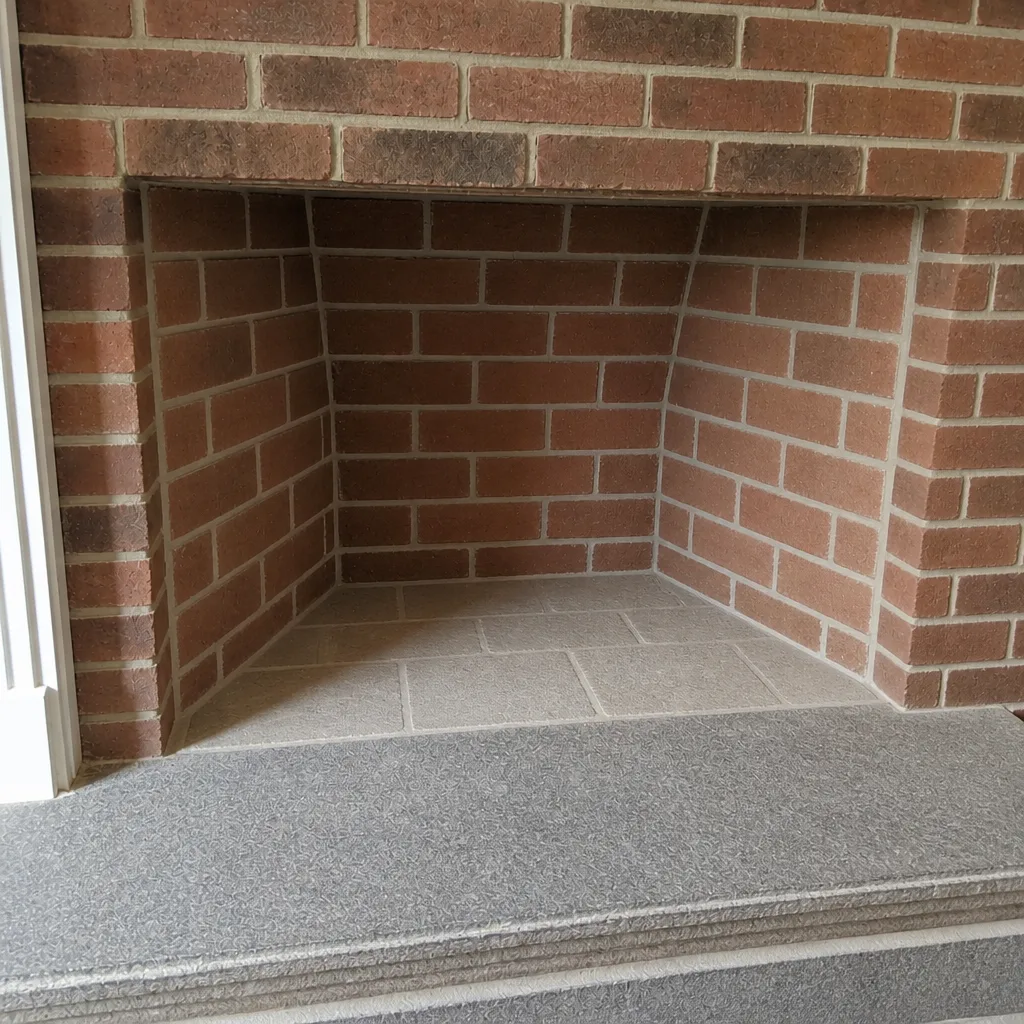
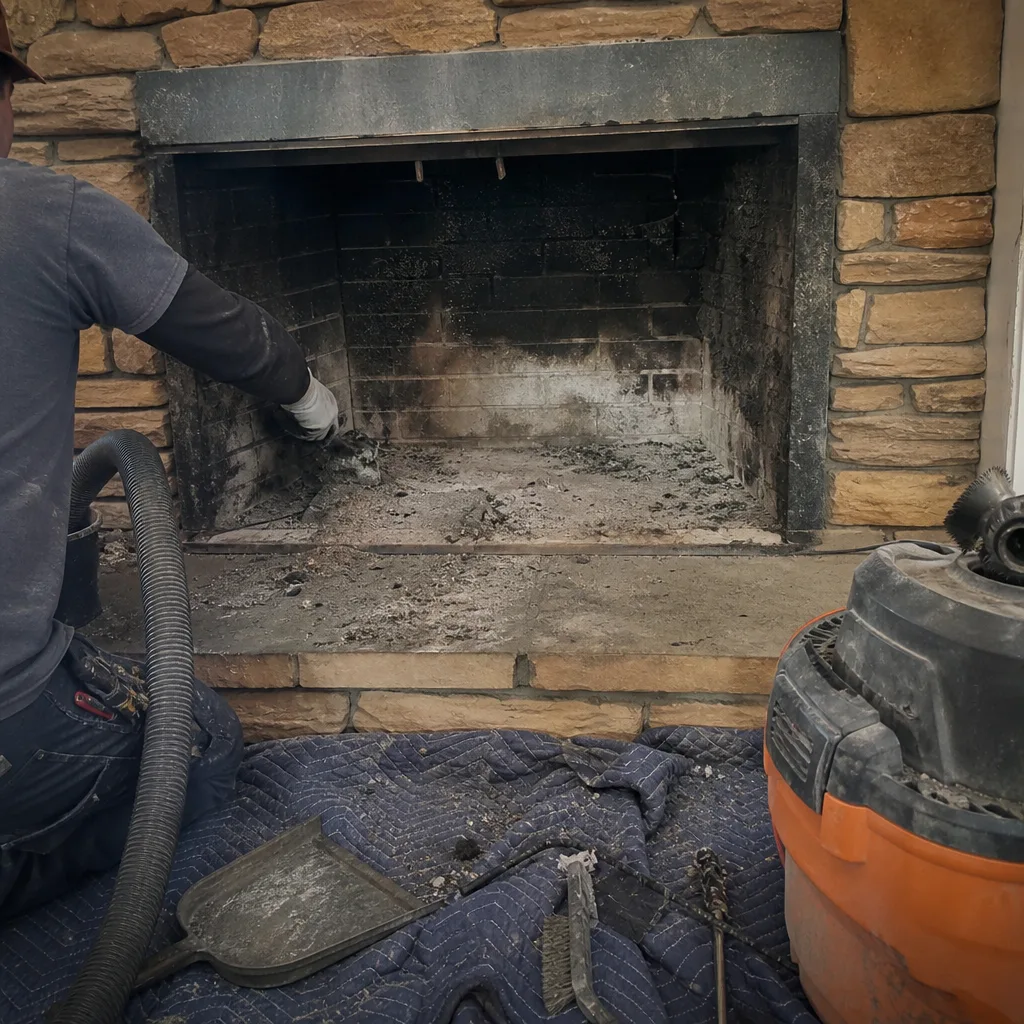
If summer checks suggest a firebox issue (crumbly mortar inside the firebox, damaged brick), a firebox resurfacing with HeatShield is often the right call. It’s a repair process that restores a firebox safely, not a surface patch.
Fall Checklist: Before the First Fire
Fall is the last clear window. Once you’re burning regularly, you lose the ability to inspect the chimney safely, and you also lose the chance to fix anything before it’s needed. Fall checklist, in order:
- Confirm the summer observation list has been addressed or scheduled. If you noted a crown crack in summer, either it’s been repaired or it’s on a schedule.
- Look up the flue from the firebox with a flashlight. You’re looking for visible creosote buildup (a black, tarry, or flaky coating on the flue walls), blockages, or anything hanging into the flue.
- Confirm the cap and crown are intact. The cap should be attached and the mesh whole. The crown should show no new cracks since your summer check.
- Test the damper. Open and close it fully two or three times. It should move freely and seat flat.
- Check the firebox for any new staining, mortar damage, or loose brick. Compare against your summer notes.
- Schedule the professional sweep and inspection. This should happen before the first fire of the season, not after.
- Clear the hearth area. Make sure nothing flammable sits close to the opening, and confirm your smoke and carbon monoxide detectors are working.
Fall is the season when most Lake Jeanette homeowners think about the chimney, and that means the schedule fills. Booking early in the fall, or even in late summer, gives you the most room. Even if you aren’t ready to book yet, keep checking: any change in the firebox or crown between now and the first fire goes on the list.
The fall list is also where we usually hear the question, “Do I really need a sweep every year if the chimney was clean last year?” Here’s the straight answer: creosote builds differently from year to year depending on what you burned and how often. One season of dry hardwood produces less than one season of greener wood or a fire that ran cool. A sweep removes whatever is actually there. A sweep also confirms the condition of the flue itself, which is not something any homeowner can fully assess from inside the firebox.
What Homeowners Can Check vs. What Needs a Professional
The line between safe homeowner checks and professional work is fairly clean. Homeowner checks are visual and non-invasive. They don’t require tools, ladders, or access to the roof. Any task that involves climbing, opening up masonry, or reaching into the flue above the firebox is a professional job, and that isn’t a liability disclaimer. It’s because the risk of doing those tasks badly is high and the risk of doing them while injured is higher.
Homeowners can safely:
- Walk the exterior perimeter from ground level and note what they see
- Look at the crown, cap, and flashing from the ground (binoculars help)
- Inspect the firebox interior when the fireplace is cold and clean
- Test damper operation (open, close, feel the seal)
- Clear loose debris they can safely reach without climbing or leaning
- Keep a dated log of observations
- Test smoke and carbon monoxide detectors
Needs a professional:
- Climbing onto the roof to inspect the crown, cap, or flashing up close
- Sweeping the flue and removing creosote
- Any repair to the crown, cap, or flashing
- Firebox resurfacing or any structural brick repair
- Liner inspection and any relining (DuraFlex liner systems are used for this work)
- Any task involving the flue above the firebox
Two safety points we don’t soften: never climb on a roof in wet or freezing conditions to inspect a chimney, and never reach into a flue to check for blockages. Both are real injury risks, and neither is needed to complete the homeowner checklist. The ground-level checks and firebox checks cover everything you can do without risk. The pro visits cover the rest.
There’s another reason the line matters. A visual check from inside the firebox can tell you that something looks wrong. It can’t tell you whether a crack is new or old, whether a stain is active or from a previous season, or whether a firebox is structurally safe. That distinction is what a professional inspection is for. The homeowner’s job is to notice and record. The technician’s job is to interpret and diagnose.
How to Log and Date Your Observations
This is the part most homeowners skip, and it’s the part that saves the most money over time. A dated log turns your observations into a comparison, and comparison is how you know whether a crack is new or pre-existing. A technician who sees a hairline crack with no history has to assume it could be active. A technician who sees a crack that was 1mm last spring and is still 1mm this fall knows it’s stable.
Keep it simple. A notebook or a photo album on your phone is enough. Log these four things every time you check:
- The date and season. “April 12, 2026 – spring check” is enough. Mention if the season was unusually wet, dry, or cold.
- What you checked and what you saw. Be specific: “crown – one new hairline crack at the northwest edge, about two inches long.” Not “crown looks fine.”
- Photographs. For anything that looks like a potential problem, take a photo from the same angle every time. Side-by-side photos across seasons are how you spot growth.
- What happened next. Did you call a technician? Did they confirm the issue or say it was old? Note the outcome. That closes the loop.
Bring the log to your appointment. Our inspection includes a plain-language summary of what’s inside the flue, and your log makes that summary more useful because we can tell which findings are new and which are pre-existing. If you’ve recently purchased a home in Lake Jeanette with a fireplace, start a log on day one; you’ll build history for the house you’ll live in for years.
The log also protects you against being sold a repair you don’t need. When a technician points to a crack, the log lets both of you verify that the crack has been there, unchanged, for two seasons. That’s useful information to have on the table before any work is discussed. A log is a diagnostic tool, and it’s the one piece of this checklist that costs nothing but a few minutes each season.
Components That Fail First on Lake Jeanette Chimneys
Our freeze-thaw winters do a specific kind of work on chimney masonry. Water gets into cracks, expands as it freezes, and widens the crack a little more with every cycle. By spring, something that was cosmetic in October may have become structural. This pattern sits behind almost every repair we recommend.
The component most exposed to this cycle is the crown. The crown is the slab on top of the chimney that sheds water away from the flue and the brick below. A properly built crown has a good overhang, so water drips clear of the chimney body. Some Lake Jeanette homes have older brick crowns without that overhang. Water runs down the sides, seeps into the masonry joints, and freezes. That’s why older brick crowns tend to deteriorate faster than their modern equivalents, and why a crown repair here is often preventative rather than cosmetic.
Flashing fails next. Flashing is the metal where the chimney meets the roof. In a harsh winter, roof expansion and ice movement stress the flashing line. Once the seal fails, water enters the roof structure behind the chimney, not just the chimney itself. That’s often worse because roof framing stays wet longer than chimney masonry.
The damper seal comes third. A warped or loose damper is a slow failure: it doesn’t announce itself, and it opens a gap between the firebox and the outside air. In summer, that gap lets humidity in. In winter, it lets heat out. It also lets smoke draft wrong when the fireplace is in use.
The common thread is that all three fail outside the flue. That’s why a sweep alone won’t catch them, and why the checklist puts them first. A sweep confirms the flue is clear. The checklist confirms the rest of the system is sound.
Maintenance Tasks You Can Do Safely
The do-it-yourself portion of chimney maintenance is short, and that’s by design. Safe homeowner tasks are the ones you can do from the ground or from inside the firebox without tools or climbing. Here they are:
- Clear loose debris from the crown area. From the ground, using a long pole if needed, clear leaves and twigs that gather near the cap. Don’t climb. If debris is sitting on top of the crown and you can’t reach it safely, note it and let the technician clear it.
- Check the damper operation. Open and close it fully. Listen for scraping or stiffness and check whether it seats flat against the frame. Doing this regularly keeps you familiar with the normal feel, so a change is obvious.
- Confirm the cap mesh. Look up at the cap from the ground. If you have binoculars, check the mesh is whole and attached.
- Keep the firebox clean of loose ash. A modest layer of ash on the firebox floor is fine, but a heavy buildup can mask stains or new damage. Clean out so you can see the brick.
- Test detectors. Smoke and carbon monoxide detectors near the fireplace should be tested monthly during heating season.
- Follow the log discipline. A written, dated record of each check is a maintenance task in itself.
That’s the complete DIY list. If a task requires a ladder, a roof, or reaching into the flue, it’s off the list. We’d rather you check the six safe things than risk an injury reaching for a seventh.
Common Mistakes to Avoid
- Sweeping once and calling it maintenance. A sweep removes creosote, and that’s important, but it doesn’t inspect the crown, cap, or flashing, which are where water and structural problems usually start.
- Skipping the spring check. Spring is when you can see what the winter did without summer rain obscuring the evidence. Skipping it is how a crown crack gets a full year old before anyone notices.
- Trusting “It looks fine” without a date on it. Without a dated log, “it looks fine” from a ground-level glance isn’t the same as a technician’s confirmed check. The date is the proof.
- Climbing on the roof to check the crown yourself. A chimney inspection isn’t worth a fall injury. The risk is real, and the professional inspection already covers it.
- Letting summer pass without checking for rain intrusion. Lake Jeanette summers do real water damage. If you don’t check the firebox after a heavy rain, you miss the earliest sign of crown or cap failure.
- Skipping the firebox inspection after a storm. Storms can shift a cap or loosen a damper. A quick look inside the firebox is the fastest way to know whether the system is still sound.
- Replacing a chimney service with a general handyman. Chimney work involves specific components (HeatShield, DuraFlex, Gelco, and Olympia Chimney are the materials we trust for the work we do), and a generalist can miss a firebox issue that a chimney specialist would catch.
See the difference
 Before
 After
 Before
 After
 Before
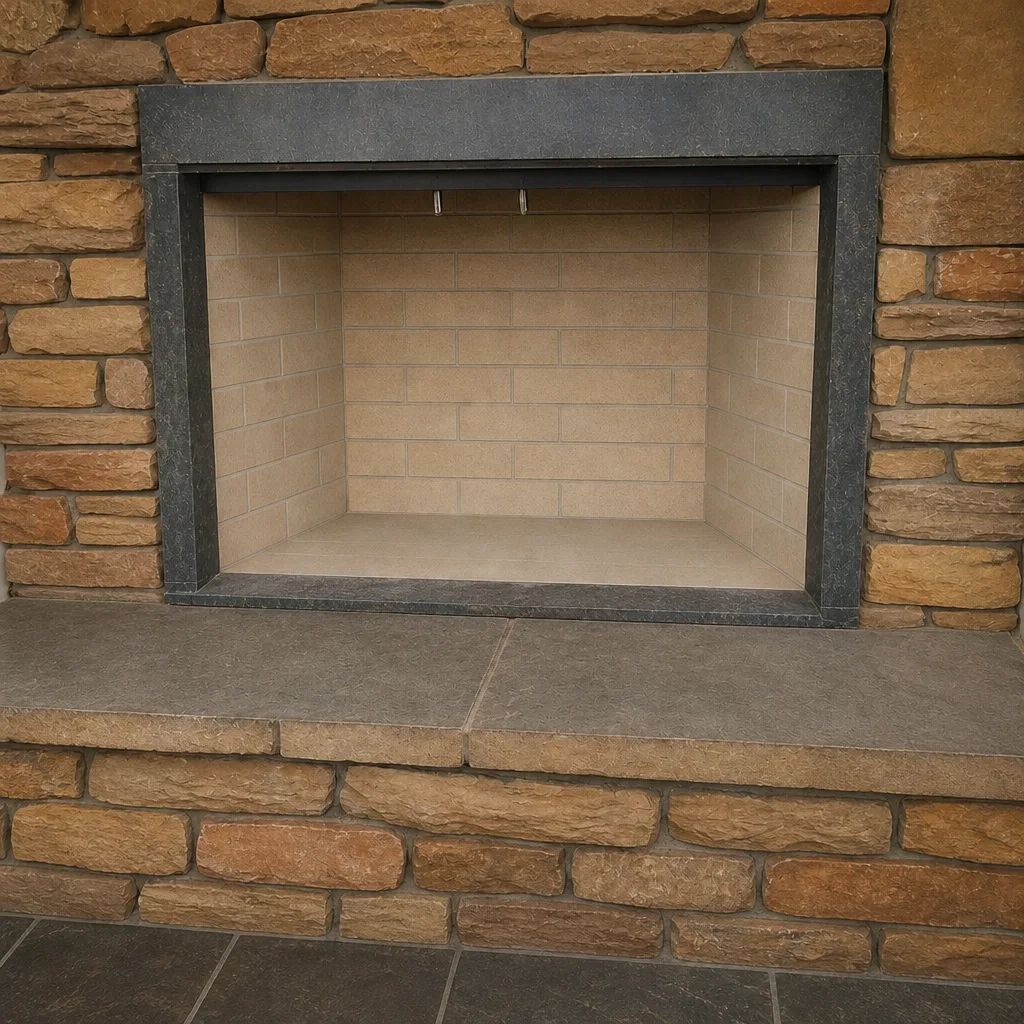 After
When to Call a Professional
Call a pro when the checklist surfaces something you can’t diagnose safely or safely fix. That includes any visible crack or damage from the ground, a crown or cap that’s shifting, any sign of water intrusion inside the firebox, a damper that won’t seat, or a firebox with loose or crumbly mortar. Also call if you’ve moved into a new home with a fireplace and don’t know the system’s history. Chimney Sweep Lake Jeanette offers free estimates in Lake Jeanette. Call (877) 492-3599. Even if the answer is “there’s nothing wrong, come back next year,” you’ll have confirmed it, and we’ll do it in plain language so you know exactly what’s happening inside the flue. If the check reveals a repair, the same visit can scope the whole system, from the crown down to the firebox, so you’re not coordinating three different specialists.
Frequently Asked Questions
Once a year for most Lake Jeanette homes, typically at the end of heating season, because that’s when creosote is at its highest and the sweep can confirm the flue is clear before it goes unused through summer. Homes that burn frequently during heating season, or that recently changed to a different wood, should follow the same annual rhythm, and the technician can adjust the recommendation based on what they find in the flue.
You can do the homeowner portion yourself: the ground-level checks, the firebox checks, the damper test, and the dated log. Every task that involves climbing on a roof, reaching into the flue, or repairing masonry needs a technician, because the risk of injury or of missing a structural problem is high. A sweep and inspection from a professional is the layer the checklist can’t replace.
A clean chimney has had its creosote removed. A safe chimney has that plus an intact crown, cap, flashing, damper, and firebox. The flue can be spotless while the crown above it is failing, which is why a sweep alone doesn’t cover the whole system. The checklist is built around the components a sweep doesn’t touch.
Look from the ground. A failing crown has cracks, chips, or a slope that collects water instead of shedding it. Failing flashing shows as a lifted edge, rust, or a gap where metal meets roof. Both are best confirmed by a technician on the roof. If you see either, don’t climb up to inspect it; call and let a trained technician check it.
You can miss a slow-moving problem through a full winter, which is when Lake Jeanette’s freeze-thaw cycles do the most damage to masonry. That doesn’t mean a season’s skip guarantees a problem. It does mean a crack that was cosmetic in October can become a repair by spring, because water widens it a little more with every freeze. The lost year is the year you have to catch up on.
Not automatically, and not without evidence. A liner is replaced when inspection shows it’s damaged, deteriorated, or not suitable for the type of fire you’re burning. The decision should be based on what the technician finds in the flue, not on the age of the chimney. If a DuraFlex liner system is the right call, it’s because a specific condition was found and explained, not because every old chimney needs one.
The Bottom Line
Chimney maintenance in Lake Jeanette comes down to checking three things first: the crown, the flashing, and the damper seal. None of them are inside the flue, and all three fail before anything you’d notice from a fire that burns badly. Run the checklist in each season: spring for an assessment, summer for rain and preparation, fall for the pre-fire confirmation. Log what you see with dates and photos so a sweep can tell new cracks from old ones. Do the safe homeowner checks and leave the roof and flue work to a professional. If any check suggests a problem, call Chimney Sweep Lake Jeanette at (877) 492-3599 for a free estimate. We answer 24/7. Fast dispatch from 7am to 7pm, Sunday through Friday.
Written by the team at Chimney Sweep Lake Jeanette.